


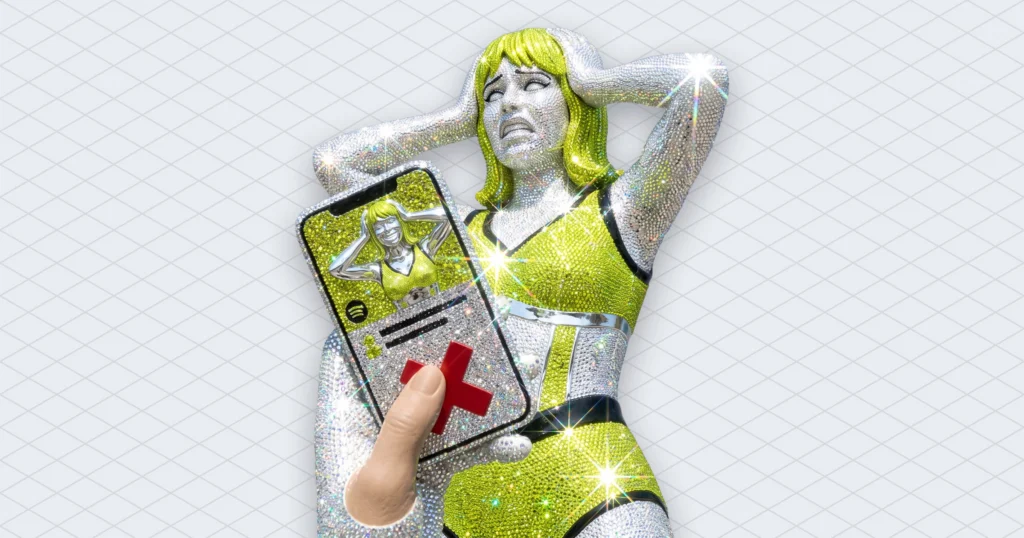
On November 17, 2026, Spotify opened Artist Profile Protection to every artist on the platform, eight months after a closed beta began, TechCrunch reports. The setting lives in Spotify for Artists. It emails you when music is delivered under your name and lets you remove yourself from releases that are not yours. The timing is not subtle. A month earlier, Billboard reported that Sony Music had asked platforms to take down more than 260,000 AI deepfake songs. If you release music, this post covers what Spotify Artist Profile Protection does, what it does not do and what to switch on this week.
Finding someone else’s song on your artist page is like coming home to a stranger’s coat on your hook. Except the coat has its own monthly listeners.
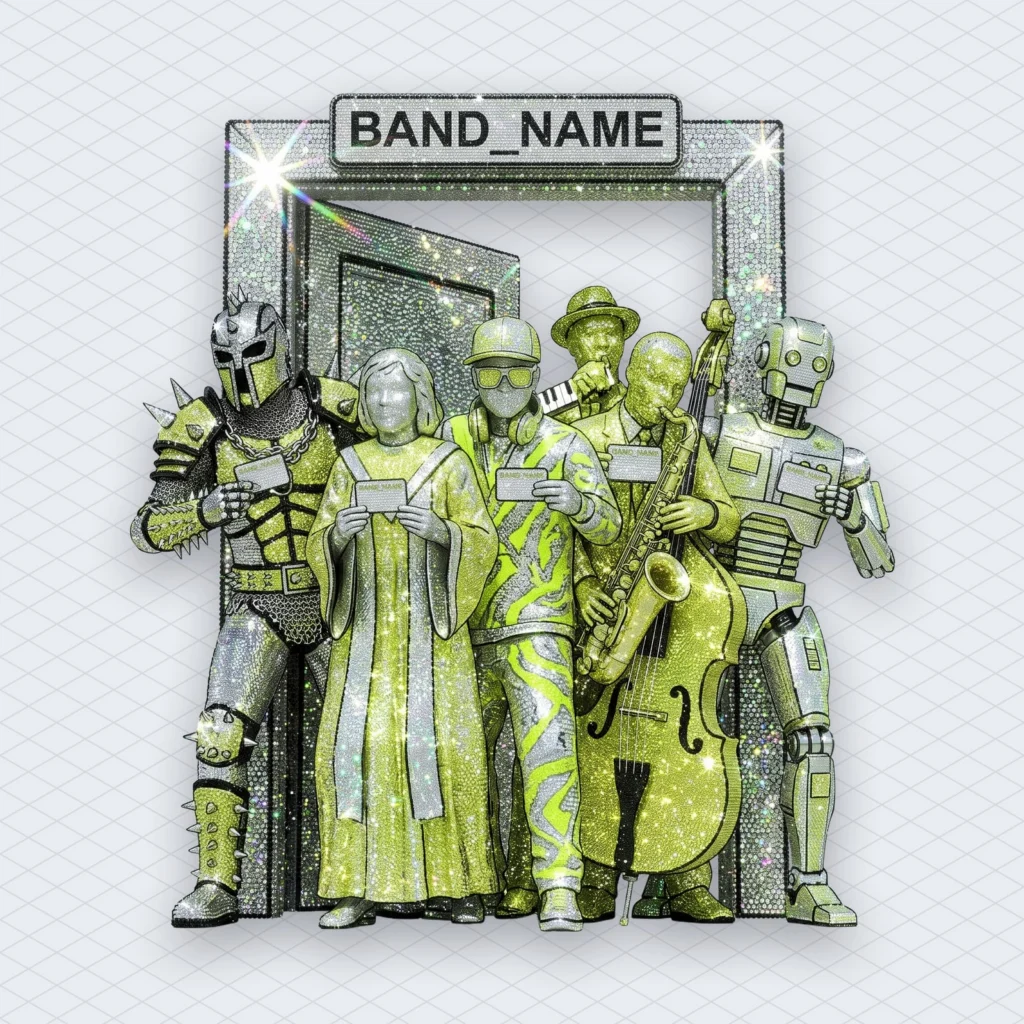
Spotify Artist Profile Protection lets artists drop releases that are not theirs
Since November 17, any artist can turn the feature on and get an email whenever music arrives on Spotify with their name attached. If a release is wrong, the artist removes themselves from it. Done. The release stops listing them and vanishes from their profile.
The Spotify for Artists announcement adds the part that matters for your numbers: a declined release does not count toward your stats or show up in recommendations to your listeners. Admins and editors on your artist team can manage Spotify’s profile protection from the desktop settings menu or the Music tab in the mobile app. Spotify’s help page gives you up to 28 days after a release goes live to remove yourself. A missed email is not fatal.
Spotify names three ways music lands on the wrong page: deliberate impersonation, metadata errors and shared artist names. Only the first one involves a villain. The other two involve a spreadsheet.
“Artists should never have to find someone else’s music under their name,” Sam Duboff, Spotify’s Global Head of Marketing and Policy, told TechCrunch. He also called Spotify “the first and only streaming service” with a fix for content mismatch. That is Spotify’s claim. We have not found a rival feature that disproves it.
Spotify Artist Profile Protection still lets releases go live by default
Your release schedule doesn’t change by default: releases go live as planned unless you step in. The stricter option, called Block releases, holds every release until you approve it.
This is a reversal. During the March beta, releases nobody answered were blocked by default, Music Business Worldwide reported. So a busy artist who ignored one email could quietly delay their own album and only find out when fans started asking where it was. Spotify says it worked with thousands of artists during the beta. The flip looks like what they asked for.
Block releases comes with an artist key. You give it to distributors you trust, and their deliveries arrive pre-approved. Spotify recommends this strict mode of its artist profile protection for anyone with a common name or frequent mismatches, but warns that blocking may hold up legitimate releases if nobody approves them. Translation: someone on your team now has homework every release week.
Sony’s 260,000 deepfake takedown requests explain the timing
By the end of September 2026, Sony Music had asked platforms to remove more than 260,000 AI-generated tracks impersonating its artists, up from 135,000 at the end of March, according to Music Week, citing the Financial Times. Nearly double in six months. Billboard also reported the figure.
The fakes imitated artists including Harry Styles and Adele. Sony called the problem “happening at scale” and said keeping up was becoming “an uphill struggle”. Mind the wording, though. The 260,000 figure counts requests, not confirmed removals.
The detail that should worry smaller artists came in May from Dennis Kooker, Sony Music’s president of global digital business. Deepfakes are demand-driven, he said, and often appear while an artist is promoting new music. So the fake turns up the same week as your single. Exactly when people search your name.
The supply is not shrinking either: Deezer said earlier this year that it receives almost 75,000 AI-generated tracks a day, about 44% of its daily uploads, Music Week notes. That is the pile Spotify Artist Profile Protection now sits in front of.
What happened so far
- Sept 25, 2025: Spotify publishes its first set of AI protection plans.
- March 24, 2026: Spotify begins a limited, opt-in beta of Artist Profile Protection, reported by MBW.
- End of March 2026: Sony’s deepfake takedown requests reach 135,000.
- April 30: Verified by Spotify launches. More than 300,000 artists are now verified.
- Aug 11: Spotify adds AI Persona badges and keeps those acts out of recommendations by default.
- Early October: Sony’s requests, past 260,000 by the end of September, become public.
- Oct 20: Spotify says the tool will reach all artists by the end of the year.
- Nov 17: Spotify Artist Profile Protection opens to every artist.
Spotify Artist Profile Protection does not reach other services
A declined release disappears from your Spotify profile, but it may still go live under your name on other streaming services. Spotify says so itself and tells artists to notify their label or distributor. One platform, one page.
It also removes your name, not the track. Declining means the release no longer lists you. Wider problems like a voice clone or a stolen recording go through Spotify’s separate reports for mixed-up music and illegal content, and after that comes the slow world of takedowns, where a single fake can outlive the single it was copying. We spent a while assuming “remove yourself” meant “remove it”. It does not.
If someone else is claiming your actual recordings, that is a different and nastier fight. We covered one case where a firm running 500 YouTube channels took down a singer’s own recording. On the voice side, the Elvis case against Suno shows how far the law has (and has not) got.
What we think about Spotify’s artist profile protection
It is a good tool with the right default. Releases going live unless you object protects the artist who does not read email, which is most artists. Blocking stays available for the unlucky ones who share a name with half the internet.
Shared names are an old problem, by the way. Long before AI, two unrelated bands with the same name could end up merged on one page, mixing a hardcore record into a folk discography. Nobody needed a model for that. Just a dropdown menu.
Anyway.
The bigger point is who does the work now. Spotify says it removed more than 75 million spammy tracks from the platform and more than 50 million slop and spam tracks from recommendations this year. Still, with Spotify Artist Profile Protection the last check on your own page is now your job. Fair, since you are the only one who knows what you released. Also one more inbox to watch.
What to do this week
Turn on Spotify Artist Profile Protection in Spotify for Artists today, even with the default setting. You get the emails, and 28 days is enough time to react. If your name is common or strangers have already shown up on your page, switch to Block releases and send the artist key only to distributors you trust.
Then check your other services by hand, because Spotify’s fix stops at Spotify. Tell your distributor what you found. Keep screenshots.
Check your coat hooks. Someone may have hung a robot on one.
 Who we are


