

In October 2026, a company that says it runs 500 YouTube channels got a musician’s own five-year-old recording taken off YouTube. Her two counter-notifications went nowhere, and the video came back only after a journalist started asking questions. This post covers what happened to singer Samantha Shokin, why YouTube’s system let it happen, and how to fight a false copyright claim when no journalist is around.
404 Media reported the story first. On November 17, TechSpot and International Business Times UK picked it up, and inkl carries it too. Later, the claimant blamed its spam folder. We’ll come back to that.
What happened so far
Shokin sang it, a sample pack sold it, then a year-old company claimed it. In order:
During the pandemic. First, Shokin, a writer and musician, records a 50-second version of Bre Petrunko, a traditional Bulgarian folk song. It goes on SoundCloud first, then YouTube, where it slowly reaches about 125,000 views over four years.
Last summer. Then the comments pick up. She finds DJs sampling her voice in dozens of tracks, one of them past four million views, IBTimes reports. It all came from a Loopmasters sample pack called “Folk Legends.” Loopmasters apologises, says it didn’t know, and arranges royalties.
October 2026. YouTube removes her video after a copyright complaint from Media Nov Records. She then files two counter-notifications. According to IBTimes, YouTube declined to process them because it couldn’t tell whether she had valid grounds. Her emails to the company about the false copyright claim get no reply.
November 2026. Finally, 404 Media contacts Media Nov. The company says it will investigate, then asks Shokin for original audio files, recording evidence and publication dates. It blames the spam folder for ignoring her and Loopmasters. Minutes after asking for proof, it withdraws the removal request. Its reason: the video had “not generated revenue or received views” (it had about 125,000).
About 24 hours later. The video is back. YouTube confirmed it restored the recording because the claimant withdrew, TechSpot writes.
Media Nov says it runs 500 channels and was founded last year
Media Nov told 404 Media it operates 500 YouTube channels. It calls itself a distribution company, but much of its website is about rights management: automated DMCA takedowns, YouTube Content ID management and “AI-powered content recognition.” On the channels it checked, 404 Media found AI imagery and repetitive electronic music.
Corporate records place the founding last year. The website, however, says 1996. IBTimes also reports that Media Nov is registered in Ireland and that its shareholders list addresses in Turkey.
The company never said which work in its catalogue triggered the complaint. Instead it brought up Philip Koutev, the Bulgarian composer who popularised an arrangement of Bre Petrunko in 1963, and said it “also holds certain rights relating to the relevant musical content.” That arrangement is actually real. Koutev’s ensemble is the reason half the world knows Bulgarian choral singing, and that history deserves an afternoon of its own.
Anyway. But Shokin’s recording is her voice and her performance. “It’s not the arrangement that’s in question,” she told 404 Media. Copyright lawyer Alfred Steiner asked the obvious question, IBTimes reports: if it’s her voice and her instruments on a 19th-century folk song, what exactly is she infringing?
A Content ID claim and a copyright takedown are different fights
A false copyright claim on YouTube arrives in one of two forms, and each has its own clock. Shokin got the worse one: a removal.
First, a Content ID claim is the automatic one. YouTube’s matching system finds a rights holder’s audio in your video, and the claimant can block it, track it or take the ad money. No strike, and the video stays up unless they block it. When you dispute, the claimant has 30 days to respond. If they ignore it, the claim expires. If they reject it, you may be able to appeal, and then they have 7 days. They can also answer an appeal with a removal request, so a dispute can turn into a takedown.
A copyright takedown, by contrast, is a legal request to remove the video. It comes with a strike, and three strikes in 90 days can end the channel. Your answer, then, is a counter notification. Once a valid one reaches the claimant, they have 10 US business days to show they have taken legal action, or the video comes back. US law sets the window at 10 to 14 business days.
Shokin’s counter-notifications apparently never got that far. And that’s the weak spot. The 10-day clock only starts once YouTube accepts your counter notification, so until then the false copyright claim simply stands.
How to fight a false copyright claim on YouTube
Fight a false copyright claim in writing, with proof, inside the deadline. These steps follow YouTube’s own help pages:
- Open YouTube Studio, go to Content, filter by Claims or Copyright, and read exactly which work the claimant names.
- Collect proof you made it: project files, raw recordings, the first upload date on another platform (Shokin had SoundCloud).
- For a Content ID claim, dispute it in Studio and say in plain words why you hold the rights.
- For a removal, file a counter notification with your full legal name, physical address and phone number, not your channel name.
- If YouTube rejects it, the email explains why. Fix that point and send a new one.
- Email the claimant too, then check whether they actually exist beyond a logo.
- If none of that works, a lawyer or a journalist can get answers when a form can’t.
Two warnings. A counter notification is a sworn statement made under penalty of perjury, and it means you agree to the jurisdiction of a US federal court. YouTube also warns that disputing without a valid reason can bring penalties, and “I gave credit” isn’t one. We’ve written a dispute in all caps before. It did not help.
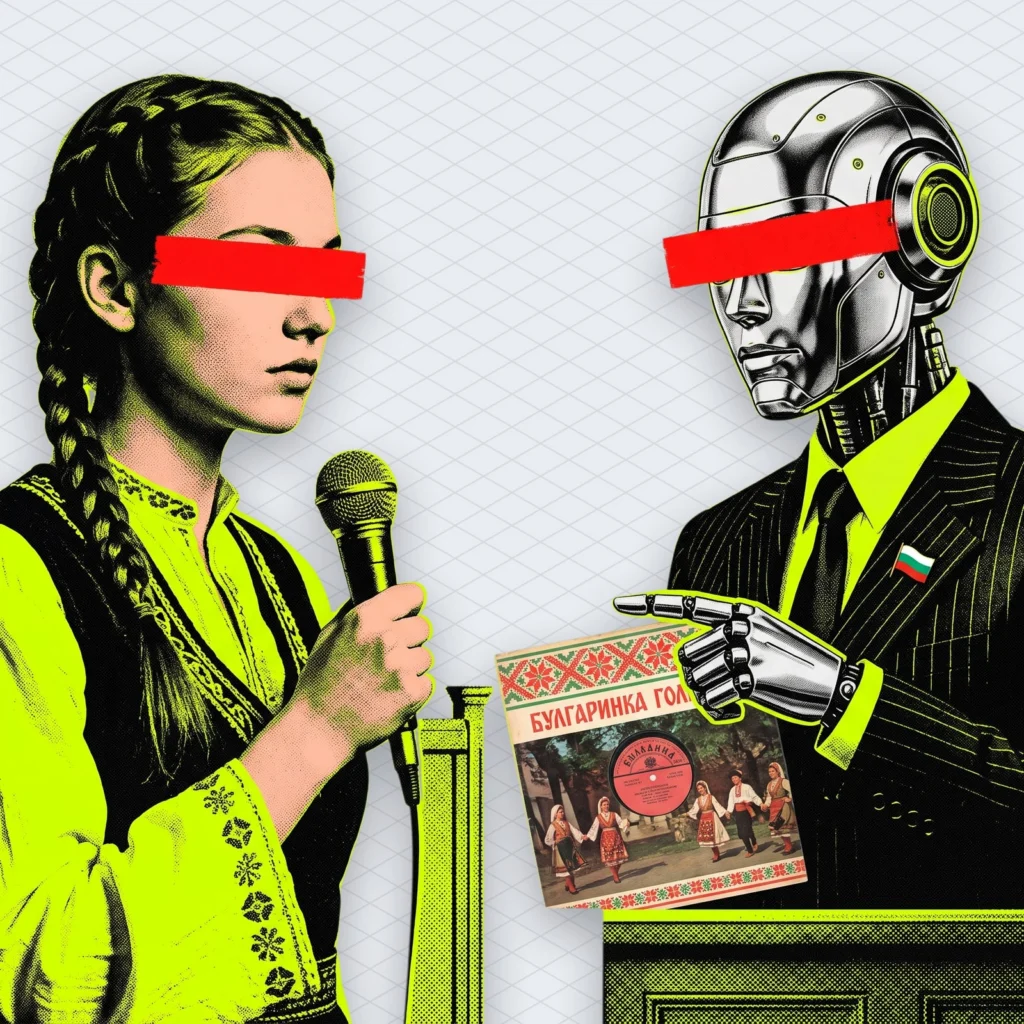
Media Nov withdrew the false claim but kept the copyright threat
Withdrawing a false copyright claim, Media Nov said, doesn’t mean giving up any rights. “We intend to initiate appropriate legal proceedings regarding the underlying copyright dispute,” it wrote. As of November 17, nothing in the coverage shows a case has been filed.
A false copyright claim costs a form to send and a summer to fight
Section 512(f) of the same US law says anyone who “knowingly materially misrepresents” infringement in a takedown can owe damages and legal fees. Still, few creators can afford to test that. So a false copyright claim stays cheap: sending one costs a form, and fighting it can cost a summer.
The whole system runs on trust because it assumes a claimant has a catalogue and a reason. An operator with 500 channels and automated takedowns gets the same trust as a label, while a solo singer hit by a false copyright claim has to prove she is herself. It’s like a toaster with a law degree: it does one thing, quickly, and someone else pays for the smoke.
Check your music before the claim arrives
Claims happen often enough that checking first is now routine. Mubert’s own data, last 28 days: about 23.5% of copyright checker results found a rights holder’s claim on the uploaded track, down from 26.5%. Still close to one in four. Before you upload, know where your music comes from (we explain the five places “no copyright” music actually comes from). If a claim lands anyway, YouTube now offers to swap in an AI-made track instead of muting your video.
Shokin finally got her video back. She also got an email asking her to prove she sang her own song, sent minutes before the company gave up. Save your raw files and screenshot your upload dates this week. Then check your spam folder. Apparently that’s where rights management happens now.


 Who we are


