


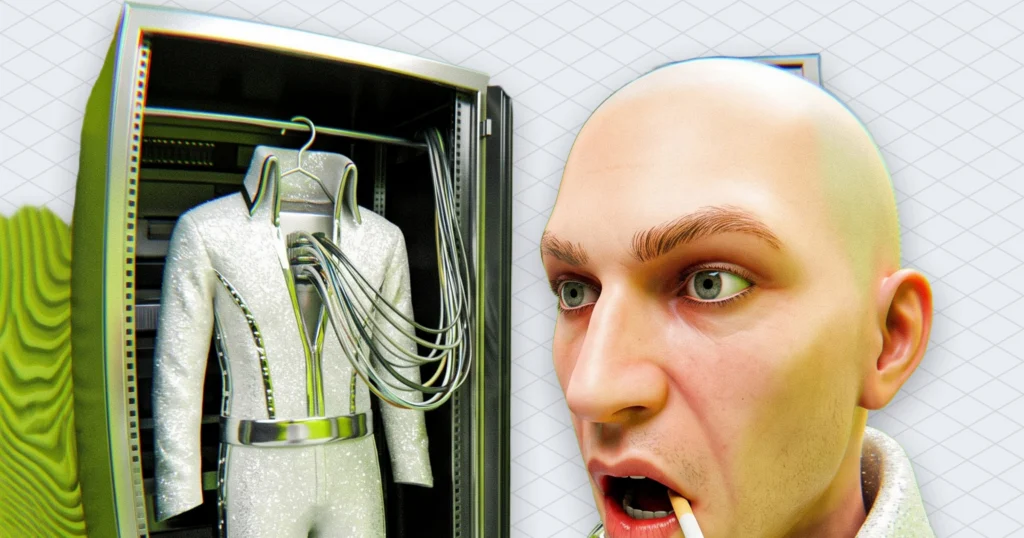
Elvis Presley’s rights owners sued Suno on Friday, Nov. 6, 2026. They say the AI music app lets anyone make songs in Elvis’s voice, which breaks Tennessee’s ELVIS Act, a 2024 state law. The Elvis Suno lawsuit, first reported by Billboard, also makes copyright claims over hits like “Can’t Help Falling in Love.” So if you make songs with Suno-style tools, this case tests a simple line. Is “sounds like a famous singer” a style you can ask for, or a person you can’t copy?
The King has not left the building. According to the complaint, he lives on Suno’s servers.
What the Elvis Suno lawsuit claims
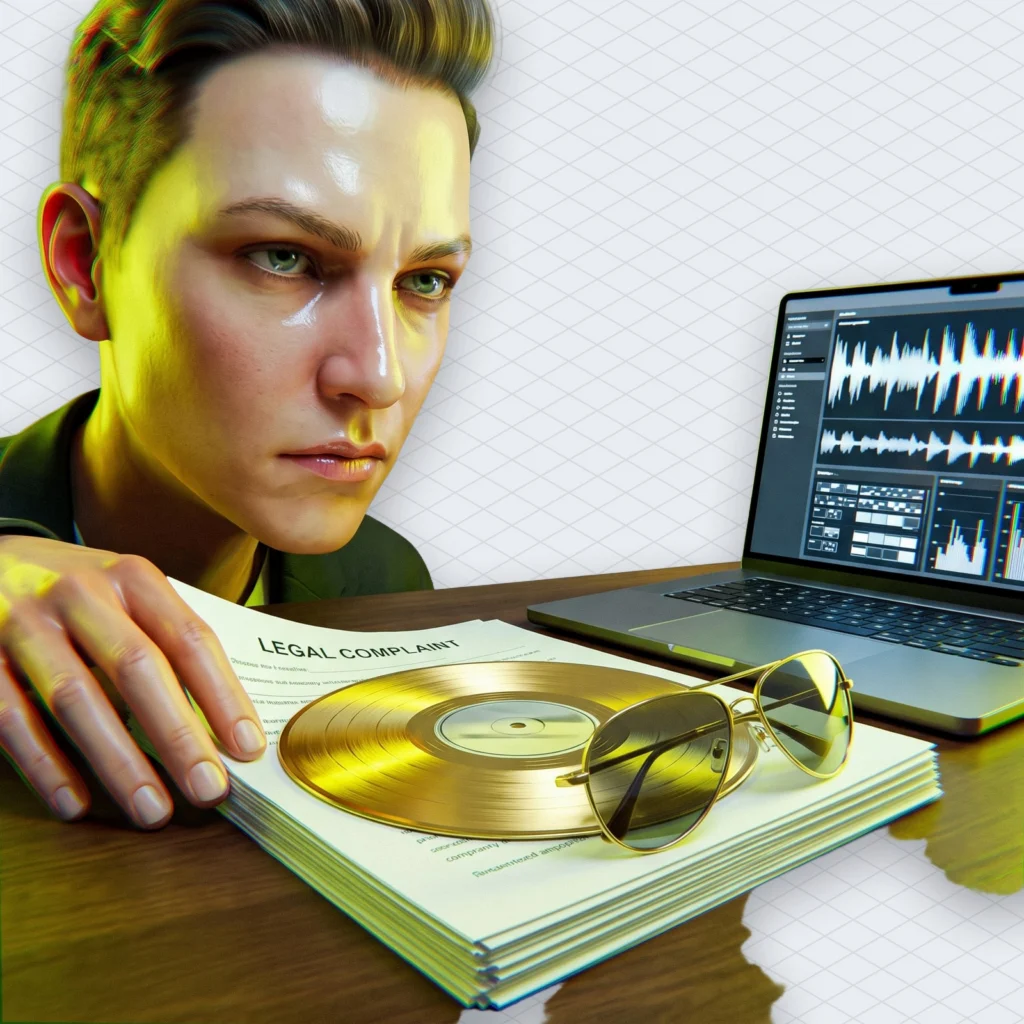
The Elvis lawsuit against Suno makes two kinds of claims: Suno copied Elvis’s voice and likeness, and it trained on his copyrighted songs. The plaintiff is Elvis Presley Enterprises, a unit of Authentic Brands Group. It controls much of the Elvis catalogue and the rights to his name, image and likeness. Richard Busch of the law firm Adams & Reese filed it, and he writes like a man who has been waiting for this case.
The complaint says “the humanity, history, despair, and triumph” of Elvis’s identity was “stolen and is stored on servers” so Suno could make money, per Billboard. It names six songs Suno allegedly trained on: “Can’t Help Falling in Love,” “Don’t Be Cruel,” “A Little Less Conversation,” “All Shook Up,” “Return to Sender” and “(You’re the) Devil in Disguise.”
But the voice part is the new bit. In other cases, Suno has argued that users can’t put artist names in prompts. It also says its models don’t copy real voices. The Elvis complaint calls that “unequivocally false.” It then links to videos of Suno output that sound a lot like Presley. It also says Suno made an Elvis clone last month from lyrics that only included his name. “There are hundreds to thousands more like it,” Busch writes.
So the guardrail, the plaintiffs say, works like a bouncer who checks IDs but lets in anyone whose shirt says “Elvis.”
ABG spokeswoman Lark-Marie Antón told Billboard the lawsuit and its evidence “speak for themselves.” Suno did not answer Billboard’s request for comment on Saturday.
The ELVIS Act covers voice and the companies that build cloning tools
The ELVIS Act is a Tennessee law that added “voice” to the state’s personal rights law. Governor Bill Lee signed it on March 21, 2024. The governor’s office called it the first law in the nation to deal with AI’s impact on the music industry. It took effect on July 1, 2024, per JD Supra, and it reaches past adverts to any unauthorised use.
The detail that matters is who it covers. As Billboard explains, it also lets people sue tech companies that make voice and image cloning possible. That turns the Elvis Suno lawsuit from “someone uploaded a fake Elvis” into “the company that built the machine is liable.”
Yes, the law is called the ELVIS Act and the first big plaintiff is Elvis. Billboard actually calls it a coincidence. We are choosing to believe Billboard. Anyway.
Billboard calls this one of the first major cases under the law. So nobody yet knows how far a court will stretch it. That uncertainty is the story.
Elvis Suno lawsuit timeline: what happened so far
Elvis is the latest name on a long list of Suno lawsuits. Here is the timeline from the sources:
- 2024: Universal, Sony and Warner sue Suno over AI training (Billboard).
- 2025: Suno settles with Warner Music Group. UMG and Sony keep suing.
- Aug. 31, 2026: Jason Isbell and three other artists file a class action over artist-name prompts (Music Business Worldwide).
- Oct. 23, 2026: Elvis’s rights owners sue Anthropic over 274 Presley songs allegedly used to train Claude (WJLA). They seek up to $41.1 million. Anthropic says it will defend the case.
- Nov. 3, 2026: Suno asks a Boston judge to dismiss the Isbell case. It calls artist names “shorthand for the genre they perform in.”
- Nov. 6, 2026: Elvis Presley Enterprises files its Suno lawsuit. The same day, Eminem’s publisher Eight Mile Style sues Suno for more than $41 million (Detroit Free Press).
Publishers Round Hill Music and Reservoir have also sued Suno in recent months, Billboard reports.
The Eminem case filed the same day is about the songs
Eight Mile Style wants $150,000 for each of 269 songs, about $40.4 million. It adds $672,000 for allegedly stripping copyright information. The case went to federal court in San Francisco, the Detroit Free Press reports. The same lawyers handle the Eminem case and the Elvis Suno lawsuit.
So that case is mostly about training. The Free Press quotes an earlier Suno filing. It described the training data as “essentially all music files of reasonable quality that are accessible on the open Internet.” Suno argues this counts as fair use. (A sentence that reads very differently if your songs are on the open internet.)


Why the Elvis Suno lawsuit matters more than the dollar figure
The Elvis lawsuit matters because it targets what Suno spits out, on top of what it trained on. Copyright cases ask if a model learned from your songs, while the ELVIS Act asks if the output is you. That is much easier to explain to a jury, because anyone can play the clip and hear it.
It also hits Suno’s Isbell defence. Head-on. In Boston, Suno told the court it turns artist names into genre descriptions before the model runs, and that its training data has no “artist name” field, per MBW. We covered that argument in our post on Suno’s motion to dismiss Isbell. The Elvis complaint reads like a reply to it, with video attached. Next, the Isbell plaintiffs’ reply is due Dec. 1, and Suno’s answer is due Dec. 15.
What we think: “a Jason Isbell vibe” is arguable. A velvety baritone with that vibrato, singing about blue suede things, is a harder sell. Much harder. The complaint itself spends a paragraph on that “warm velvety resonance” as Elvis’s signature. Suppose a court decides a voice can be cloned even when no name reaches the model, because then every prompt box that takes a description becomes a legal question.
We tried, once, to describe a famous singer to a session vocalist without naming him. She guessed in four words. Description works on people. That’s the problem.
What this means if you make AI music
For creators, the risk is simple. If a track sounds like a specific famous singer, you are holding the part a rights owner can point at. The Elvis lawsuit names Suno as the defendant, but users made the videos in the complaint. Those uploads are the evidence.
A few practical moves. Don’t prompt with real artists’ names, their lyrics or “in the style of” phrases that describe one person’s voice. If an AI vocal makes a friend say “wait, is that…”, start over. Treat it as a warning, not a selling point. Also keep your prompts and generation dates, so you can show what you asked for if a claim arrives.
Check before you upload. Mubert’s own data, last 28 days: about one in four tracks run through our copyright checker came back with a rights holder’s claim. That is 24.6%, down from 26.3%. Those checks cover all kinds of uploads, not AI vocals in particular. Still, a quarter is high enough to make checking a habit. And if you only need background music that isn’t trying to sound like anyone, there is no famous voice to get caught with.
For how labels are mapping Suno’s training data, see the 60,202-track list in the major-label case.
Elvis didn’t pick a lawyer. His rights owners did, and that lawyer wrote “The next Elvis won’t pick up a guitar.” Maybe not. But the next fake one may well end up in a deposition, and it won’t be leaving the building either.



 Who we are


