
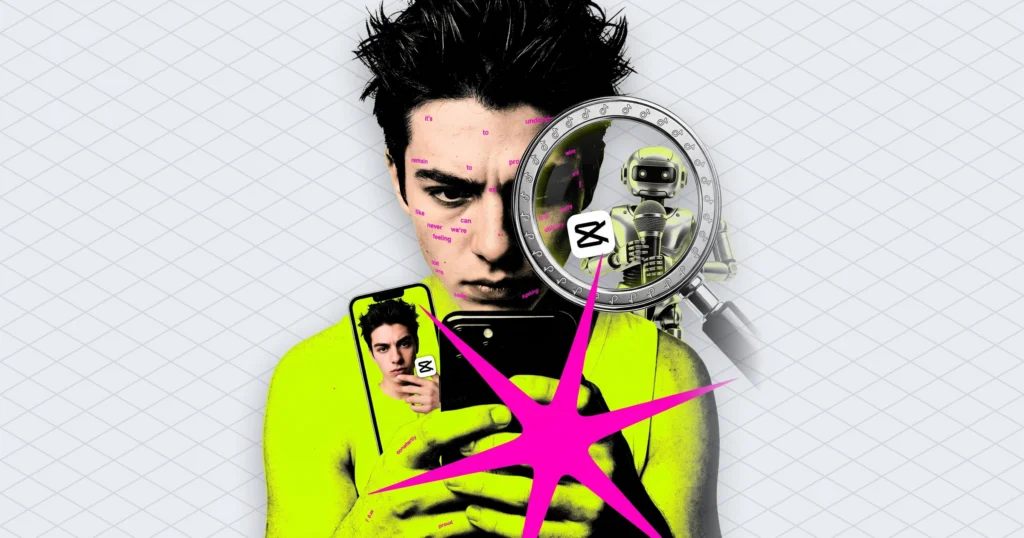
TikTok likeness detection is rolling out globally. Alongside it, since November 20, there is a free public checker that tells anyone, with or without an account, whether an image or video was made or edited with ByteDance’s own AI tools. It takes images up to 20 MB and videos up to 100 MB, according to TikTok’s Transparency Centre page. This post is for creators and musicians worried about fake or cloned versions of themselves. It covers what TikTok likeness detection and the checker each do, the full timeline, the audio question where the reports disagree, and what to do this week.
TikTok launched a public AI checker and global likeness detection alerts
TikTok announced the checker and likeness detection in a newsroom post on November 20, and both sit on top of the more than 5 billion AI-generated videos the company says it has already labelled. Music Ally, Digital Music News and Net Influencer covered the launch.
The checker is a web page in the Transparency Centre. You upload one file and it looks for two things. The first is C2PA Content Credentials, a metadata standard (a label stitched inside the file that says which tool made it). The second is TikTok’s invisible watermark, which Net Influencer reports the company calls VeraDura, “more durable and harder to remove.” Because both signals live inside the file, the check still works after someone crops off the visible AI sticker. The tool page names CapCut, Dreamina, Pippit and Hypic as the apps it covers, plus TikTok itself.
The second tool is TikTok Likeness Detection. Eligible creators and public figures, including government, politician and political party accounts, verify their ID through a third-party partner. After that the system alerts them to content and accounts that may use their likeness, and they can report what they find to the safety teams. TikTok says it does not keep the ID documents.
The checker only recognises ByteDance’s own tools
It flags content from TikTok, CapCut, Dreamina, Hypic and Pippit and nothing else, and TikTok says so plainly. A file from any other generator comes back with no signal. The Transparency Centre page lists what “no signal” can mean: the file was not made with TikTok’s tools, it was made with another platform’s AI, or it is not AI at all. That is three answers in one result.
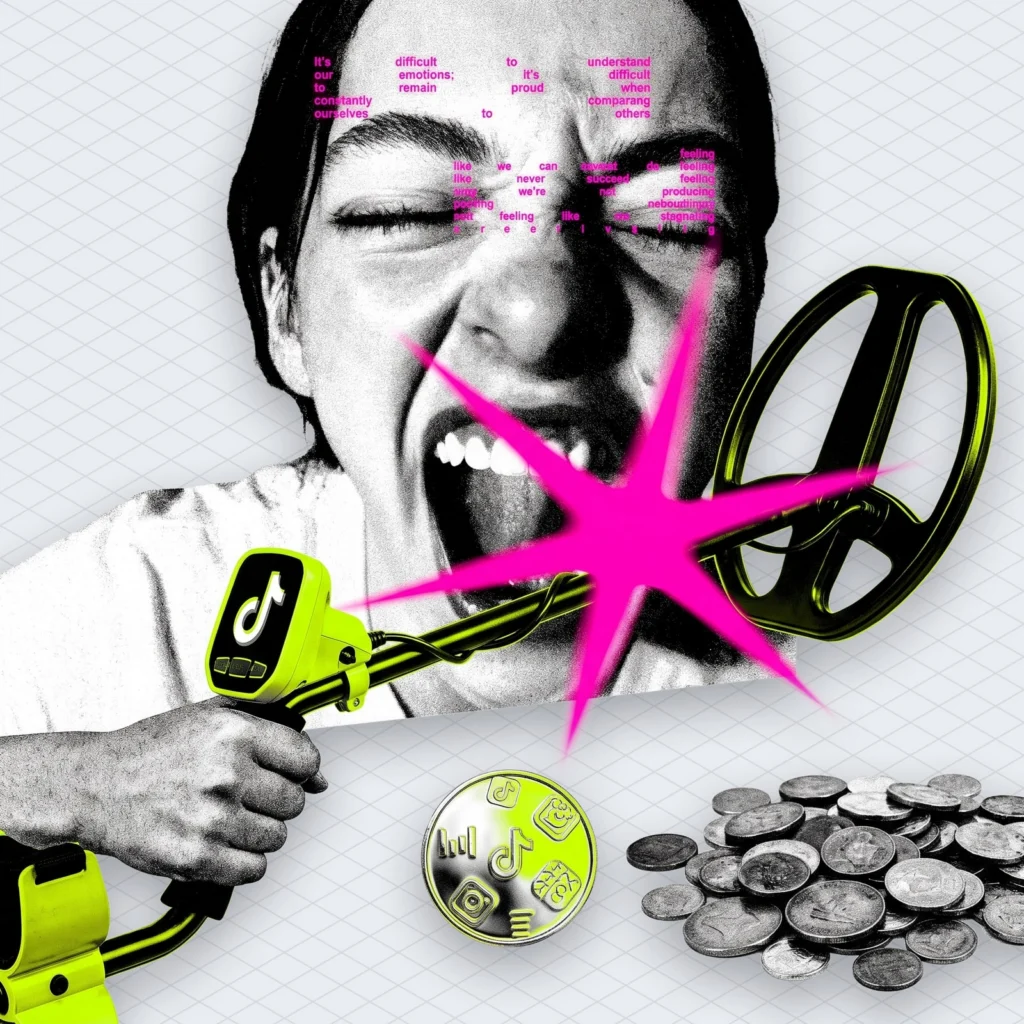
So think of it as a metal detector that only beeps at coins from one mint. It is a big mint, so the beep means something. Silence means very little.
The page also admits that no detection tool is fully reliable. Stripped metadata, a degraded watermark or a file older than these signals can all come back weak or empty, and edits made on other platforms stay invisible. (We used to read “no AI label” as “no AI”. That was optimistic, and now TikTok has put the same warning in writing.) When the signal survives, the result says the file was “likely generated or edited with our AI tools” and names the specific tool.
Audio is missing from TikTok’s checker page and from likeness detection
Music Ally and Digital Music News both wrote that the checker accepts video, image or audio. TikTok’s announcement, however, says “upload an image or video”. The Transparency Centre page lists the formats: JPEG, PNG, JPG and WebP for images, MP4, MOV, WebM and AVI for video. There is no MP3 and no WAV.
For a musician, the honest reading on November 27 is this. If a cloned voice sits inside a video made in a ByteDance tool, you can check that video. A bare audio file has nowhere to go, at least according to TikTok’s own page. Somewhere a WAV is already being renamed to .mp4 out of spite. We do not recommend it.
Anyway. TikTok’s likeness detection has a similar gap. Music Ally describes the alerts as being about a face appearing without permission, and nothing we read in TikTok’s post promises the same for a voice. Voices are what most musicians actually worry about, and a recent survey suggests listeners worry too: over 80% of Americans in UMG’s poll said they want an AI kill switch.
What happened so far
- 2024: TikTok says it became the first video platform to adopt C2PA Content Credentials, per Net Influencer.
- July 2026: TikTok starts testing Likeness Detection with “some” US creators, who verify through Jumio with a live selfie scan and an ID check, as Digital Music News reported on July 20. The in-app AI literacy hub launches the same month.
- November 20, 2026: TikTok announces the public checker and the global likeness detection rollout, and puts its AI labels at more than 5 billion videos.
- November 23, 2026: Digital Music News and Net Influencer report the launch. The global announcement does not name the verification partner.
- November 27, 2026: Music Ally covers the rollout for the music industry.
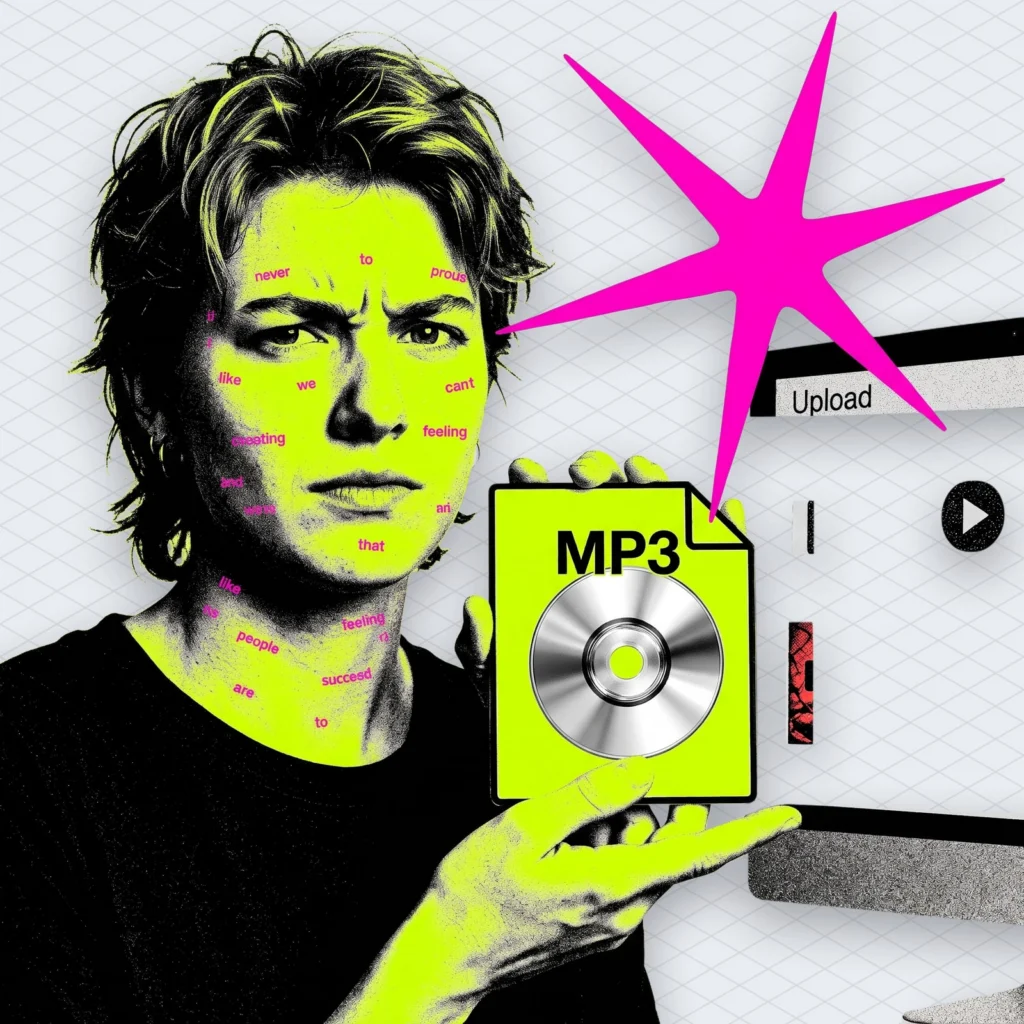
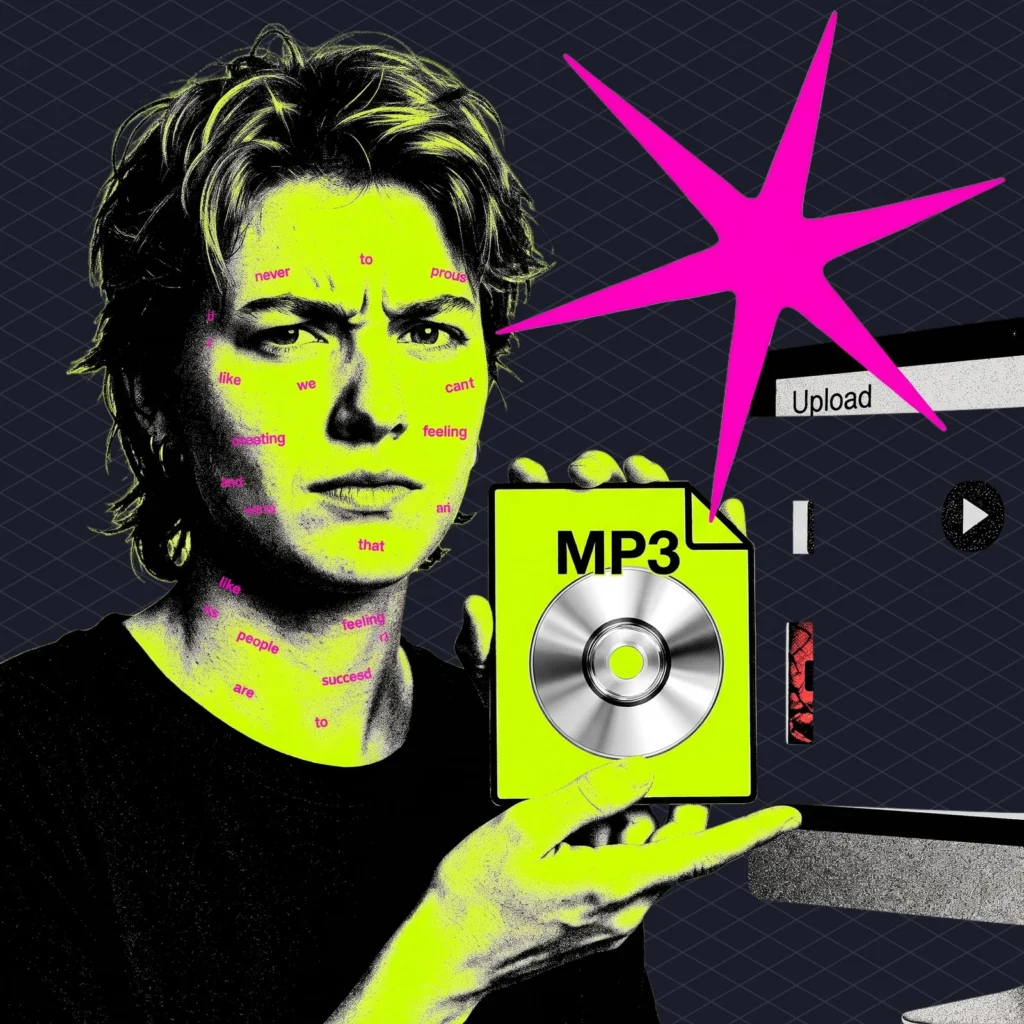
Why TikTok likeness detection matters for creators
TikTok likeness detection turns deepfake hunting from “hope a fan notices” into alerts that come to you. For creators with a recognisable face, that is a real change. Until now, finding a fake meant scrolling for your own face, which is a strange hobby.
The limits still matter. TikTok gives no country list for likeness detection, no completion date and no published eligibility criteria. It also says it removes more than 99% of rule-breaking content before anyone reports it, which is its own figure and not one we can check. YouTube went down this road first. In its March 2026 expansion it stated that “detection does not guarantee removal”, and TikTok’s version will probably come with the same caveat. Instagram is building something similar for reposts, which we covered in Instagram’s content protection launch.
Provenance (where a file came from) is one half of creators’ file anxiety. Rights are the other half. On our copyright checker, about one in four results (24.1%) found a rights holder’s claim on the uploaded track, down from 25.7% (Mubert’s own data, last 28 days). It is a different question with the same lesson: check before you upload, because finding out afterwards costs more.
What we think of the new checker
It is a good tool, and it is honest about its edges, which is rarer than it should be. A checker that says “we only know our own tools” is more useful than a generic detector that rates everything “87% AI” with total confidence. Still, the narrowness is the whole story. On this checker, ByteDance’s tools can be traced. Everything else on the internet is untraceable by design, and so is every bare audio file. TikTok’s likeness detection alerts look useful too, though only for faces so far.
What to do about TikTok likeness detection this week
- Read TikTok’s announcement and check if your account qualifies for likeness detection alerts.
- Run suspicious videos of you through the checker, and read “no signal” as “unknown”.
- Report fakes through TikTok’s privacy reporting form, which also works without an account.
- Keep your raw files and masters with dates, so you can prove what is yours.
- File voice clone reports through the normal reporting tools rather than waiting for audio support.
- Recheck the Transparency Centre page in a month, in case audio formats appear.
For now the metal detector knows one mint, and it does not do audio.
 Who we are