




Universal Music Group says more than 80% of US consumers now want an AI music kill switch. That means a setting that screens 100% of AI-generated tracks out of what they hear. Deezer published its own survey the same week, and it found that 41% of streaming users want a kill switch for fully AI-generated music. This post covers who measured what, the full timeline, why the gap matters if you upload AI-assisted music and what to do about it this month.


UMG says over 80% of Americans want an AI music kill switch
Michael Nash, UMG’s chief digital officer, said the US figure is now “north of 80%”. Digital Music News and Music Ally reported it on November 19. He was speaking at Morgan Stanley’s European Technology, Media and Telecom conference in Barcelona. According to Nash, UMG’s earlier rounds this year had found 74% in the US and 68% globally.
“An increasing percentage are looking for what we call a kill switch,” Nash said. He described it as the option “to flip a switch, and basically screen out 100% of AI-generated content from their listening experience.”
UMG has not published the questionnaire, the sample size or the dates. So for now, UMG’s AI music kill switch figure is something said in a conference session, and there’s no report you can open. We went looking for the method. It isn’t public.
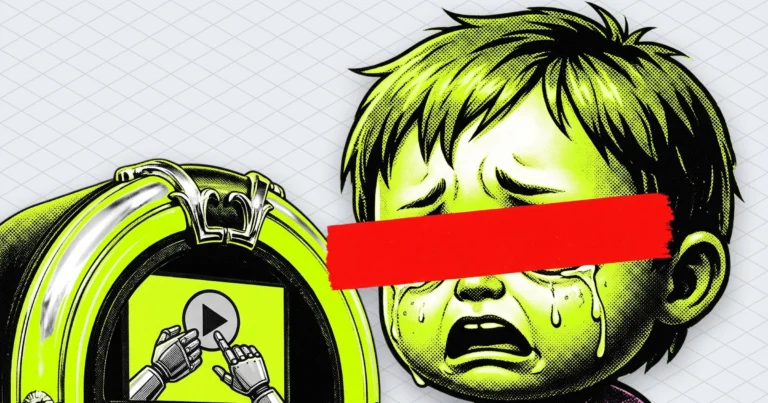
The name comes from heavy machinery. On a lathe, the kill switch is the big red button you hit before the machine eats your sleeve. An AI music kill switch points that same button at a category of music with no clear edge.
Deezer’s survey puts the filter demand at 41%
Ipsos surveyed 9,000 adults in eight countries for Deezer between October 9 and 14. Of the 6,672 streaming users among them, 41% said they want to filter out fully AI-generated music, per Deezer’s newsroom and Music Business Worldwide. The 2025 survey found 45%. Still, Ipsos warns the two aren’t comparable, because new answer options were added this year.
Labelling is far more popular than an AI music kill switch. Overall, 80% want fully AI-generated music labelled, and 80% want the same for AI-assisted music. In the US, only 37% now call AI a valuable tool for musicians, down from 54% a year ago. That’s a steep fall.
Also, 69% of Americans think AI could cost music some creativity, up from 65%. And the share of Americans who say they’ve heard fully AI-generated music fell from 52% to 45%. The US was the only one of the eight markets where that number dropped.
Then there’s the gap. 74% of respondents believe their playlists contain no fully AI-generated music. Yet Deezer says nearly 57% of the users who joined it in October, arriving from other services, already had at least one such track in their libraries.
Deezer itself receives nearly 90,000 fully AI-generated tracks a day, more than half of daily deliveries on peak days. Its on/off toggle to exclude them from search is due before the end of 2026.
What happened so far
The story spans most of a year, but the useful part happened in one week of November:
- Earlier in 2026: UMG surveys find 74% of US and 68% of global consumers want the option to screen out all AI-generated music (Nash, via Digital Music News).
- October 2026: Deezer announces an on/off toggle to exclude fully AI-generated music from search, due before the year ends.
- October 9-14: Ipsos runs the fieldwork for Deezer’s second annual AI music survey.
- November 17: Deezer publishes the results. The same day, SoundCloud CEO Eliah Seton posts an open letter on AI spam and deceptive AI uploads, and Spotify opens Artist Profile Protection to all artists, per Complete Music Update.
- November 19: Digital Music News and Music Ally report Nash’s “north of 80%” figure.
- November 20: Digital Music News reports more from the same session: UMG’s “walled garden” plan, its Suno litigation and the “Streaming 2.0” deals it expects with streaming services.
Why an AI music kill switch matters to people who publish AI-assisted tracks
Labels help write the rules streaming services run on. A number above 80% for an AI music kill switch is a strong card to bring to those talks. According to Digital Music News, UMG expects its upcoming “Streaming 2.0” agreements to cover family plans and fraud. Meanwhile, UMG and Sony are suing Suno and arguing that AI outputs should stay on the platform that made them. (Warner, which has licensed Suno, is taking the opposite route.)
The same survey data points past labels, too. According to CMU’s write-up, 67% of Deezer’s respondents say fully AI-generated tracks should earn less royalty money, and 60% want them kept out of the main charts. So a filter is the polite version. The less polite versions are lower payouts and chart bans, and those numbers already exist for whoever wants to cite them.
The definition is the weak spot of any AI music kill switch. Nobody has pinned it down. Deezer’s toggle targets “fully AI-generated” music, while Nash spoke of “100% of AI-generated content”. Nobody has said in public where a human vocal over a generated drum loop lands. That grey zone is exactly where most creators actually work, and it’s the part nobody has written down yet.
Platforms are already drawing their own lines. SoundCloud keeps AI music allowed but goes after spam and fake human personas. Spotify now lets every artist remove fake songs from their page.


What we think about the AI music kill switch numbers
Both figures are probably true, because they answer different questions. Deezer published its sample, its dates and a warning about its own trend line. UMG published a sentence. When the gap is 41% versus “north of 80%”, how the question was worded is the whole story, and we can’t see UMG’s wording.
There’s an incentive to keep in mind as well. UMG is in court against an AI company. Nash also said UMG won’t ask its artists to back AI content that competes with them for streams. If an AI music kill switch shrinks that competition, it’s good business for the company paying for the survey. That doesn’t make the number wrong. It does make it a negotiating position.
Our own disclosure: Mubert generates music from samples that human artists upload and get paid for, so how “AI-generated” gets defined matters to us too. Read this section with that in mind.
Our view is simple. Labels are good, and listeners should know what they’re hearing. A kill switch for AI music is fine as well. The trouble starts when one side writes the switch’s definition. Then a producer who used one generated hi-hat gets filtered next to a spam farm uploading thousands of tracks a day.
On paper, the machine-shop kill switch is a fair design: one button, one machine, everyone knows what stops. Music doesn’t have one machine. Anyway.
What to do before an AI music kill switch reaches your distributor
None of this is a rule yet. Still, the people who prepare now will have an easier argument later:
- Disclose AI use honestly wherever your distributor or platform asks for it.
- Keep project files, stems and session notes that show which parts a human played or wrote.
- Read your distributor’s AI policy this week, not after a takedown.
- Release under your real artist identity, never as an AI persona presented as a human.
- Turn on Spotify’s Artist Profile Protection if you have a profile.
- Check what your AI tool’s terms allow you to upload to streaming services before you release.
An AI music kill switch is coming one way or another. Make sure your track lands on the side of it you’d pick yourself.




 Who we are


