

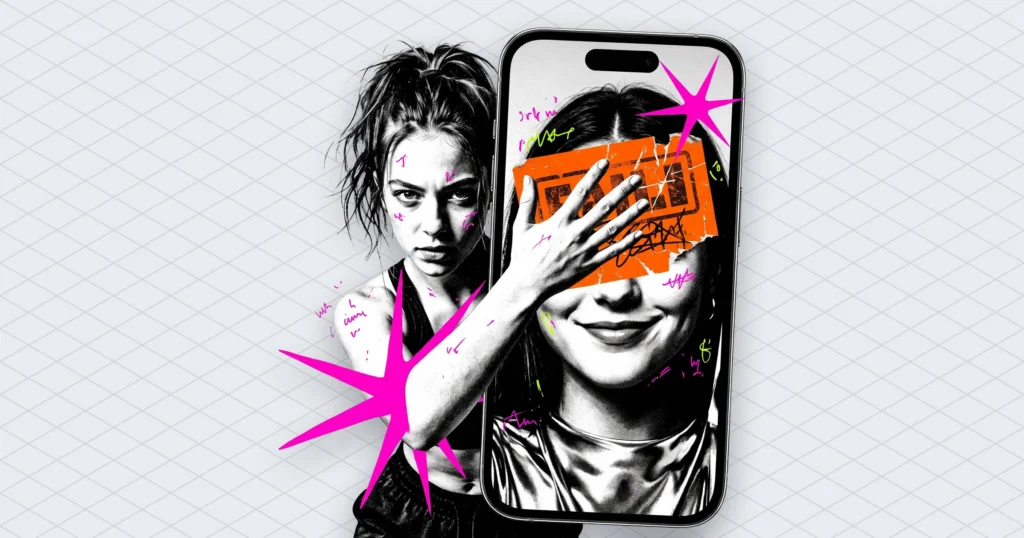
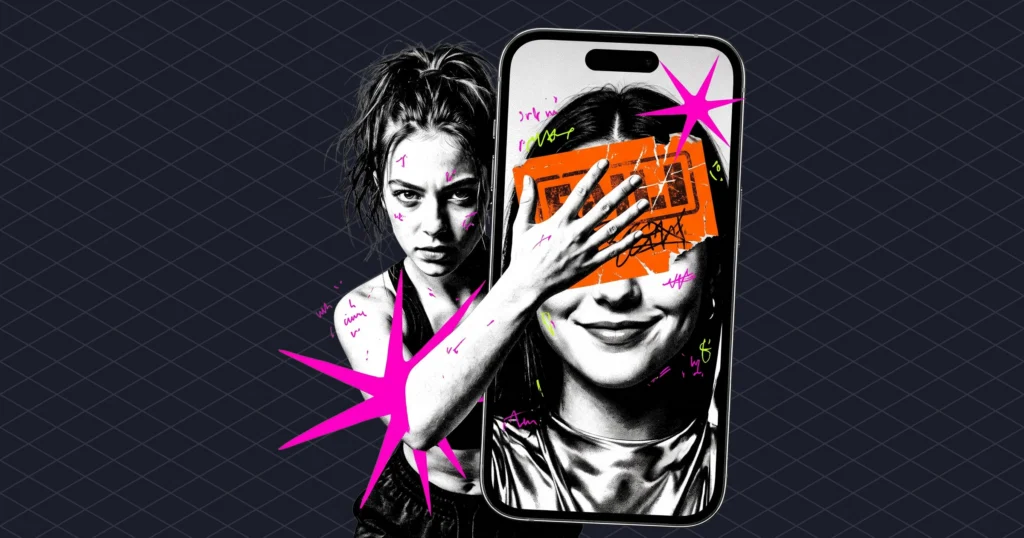
Instagram content protection went live for eligible creators on November 17, 2026. That was exactly one year after Facebook got it. It scans Instagram and Facebook for copies of your original Reels, sends you an alert for each one and lets you decide what happens to the copy: track it, hide it, put a credit link on it or let it go. A second feature, still in testing, will flag AI videos that keep your spoken words and swap in new visuals. This post covers who gets it, what each option does, where it falls short and what to do.
Until now, Instagram’s answer to a stolen Reel was a report form and hope.
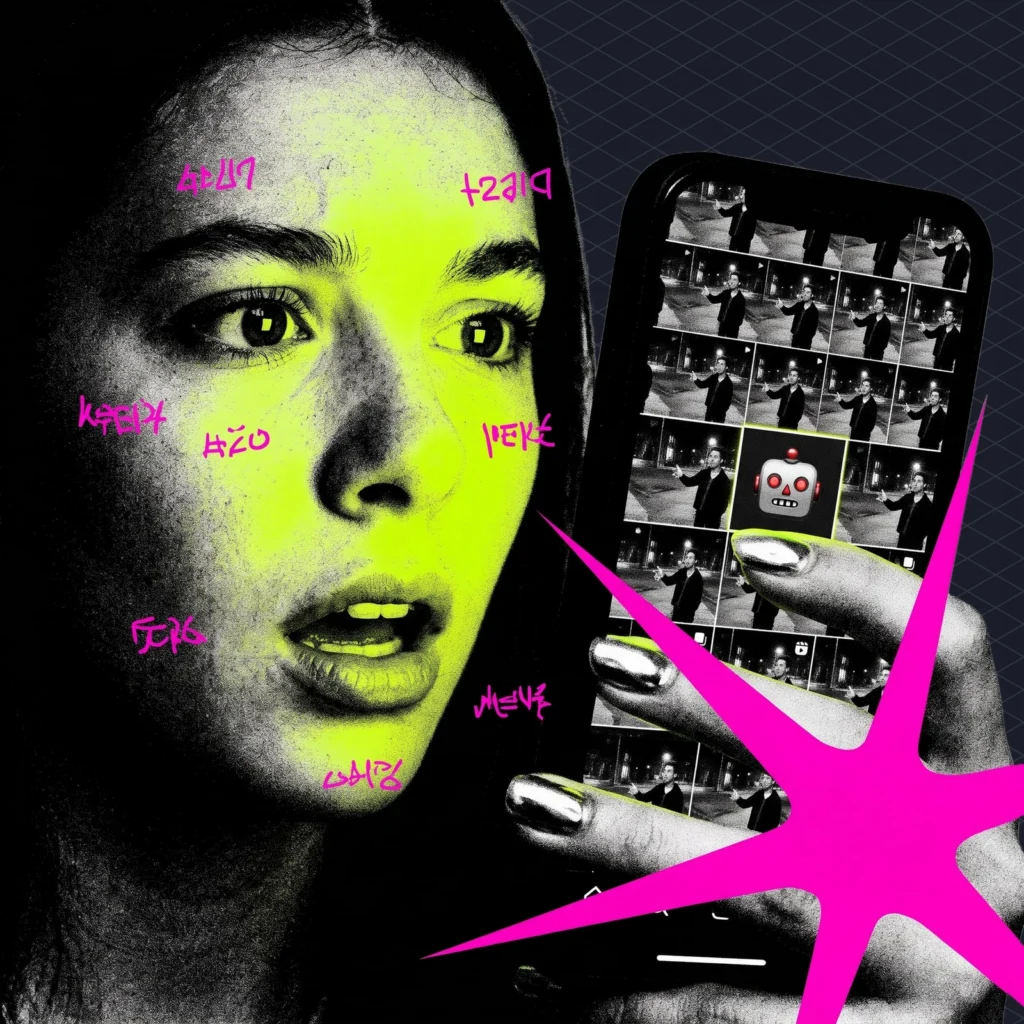
What Instagram content protection does with a reposted Reel
It matches visuals. According to Instagram’s announcement, it runs on the same matching technology as Meta’s Rights Manager, the system rights holders already use to find their material across Meta’s apps. Once you enrol in Instagram content protection, every new original video is covered automatically. Older Reels have to be added by hand, one at a time. That is exactly as much fun as it sounds.
Each match shows the copy’s views and the follower count of the account that posted it. So you see right away if a copy is a nuisance or a second career someone built on your video.
Then you pick one of four options. “Track” is the default: the copy stays up and you watch its numbers. “Hide from everyone” cuts the copy’s reach on both Instagram and Facebook. “Add credit link” puts an “original by” label on the copy. It sends viewers to your video or profile. “Release” drops your claim, and the match leaves your list.
We read “hide” as “strike” the first time. It is not. Instagram says hiding a match does not directly penalise the account that posted it. TechCrunch’s 2025 report on the Facebook version says the same: the reposter faces no disciplinary action. The thief keeps the account, the followers and the habit. Only the video goes quiet.
There is also an allow list. Add the accounts you have given permission to, such as a second profile, a collaborator or a brand partner. Their posts stop showing up as matches.
The AI test in Instagram content protection matches your words, not your face
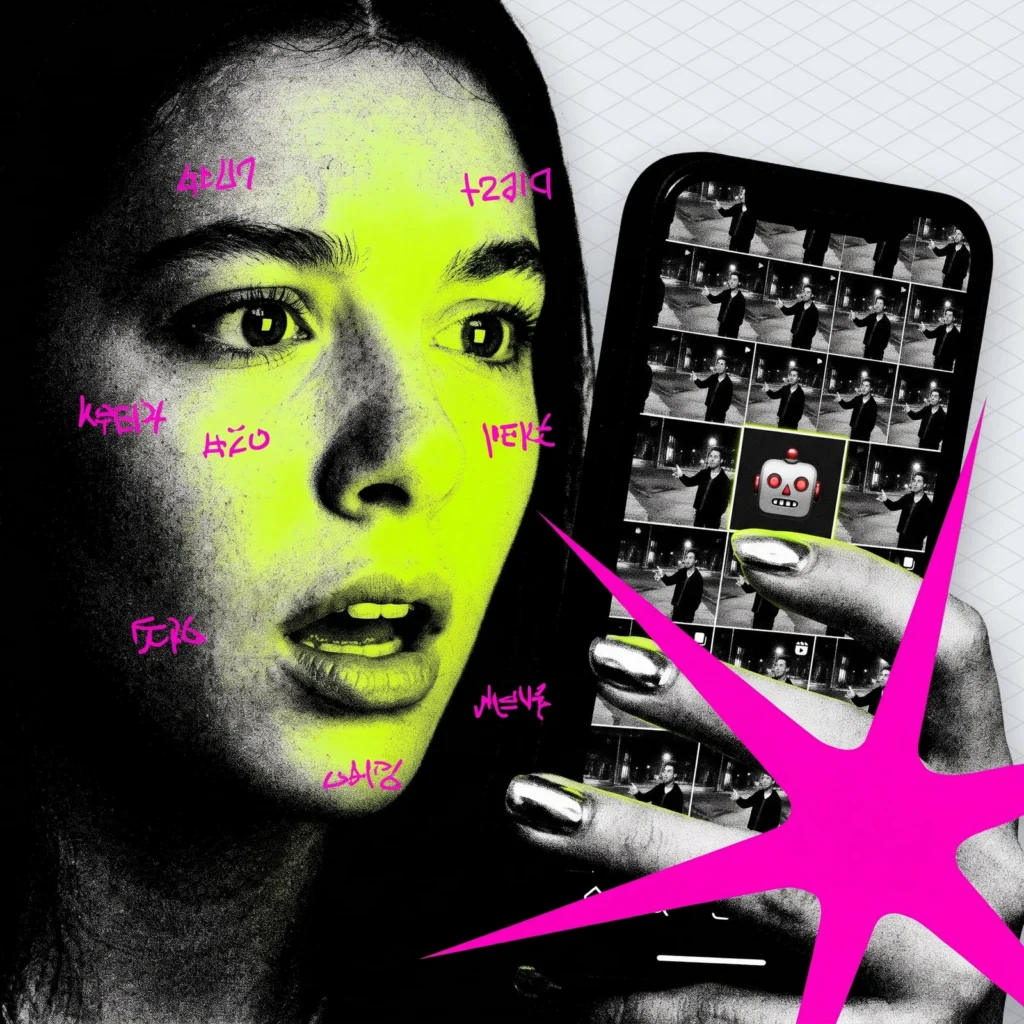
The AI part of Instagram content protection matches what you say, not how the video looks. It is not live yet. Meta says it is “starting to show” videos that match your transcript, “even when AI has replaced the visuals.” A small group of creators will test it “in the coming weeks.” After that, it reaches enrolled creators on Instagram and Facebook “as soon as we can.” That is not a date. TechCrunch describes it as catching AI-generated videos that reuse audio from your original. Instagram also wants to limit the reach of accounts that keep posting AI copies of other people’s work.
The reason is easy to see. In October, creator Andrew Scott posted on Threads that AI replicas of his work “got 50 million views and 1 million likes in just a few days”, MediaNama reports. Instagram head Adam Mosseri called himself “very worried.” He also said ordinary copyright claims do little for people who never registered their material, comedians and dancers included.
Comedians have complained about stolen jokes for as long as there have been open mics. Until now the only penalty was a bad reputation. With content protection, Instagram becomes the first comedy club bouncer that reads transcripts. Anyway.
The weak spot follows from the description. Instagram talks about spoken words. A dance clone with no talking and new AI visuals is a case the announcement does not cover yet.
What happened so far
- Nov 17, 2025: Meta launches content protection on Facebook (TechCrunch). It starts with monetizing creators who meet stricter originality standards, then adds Rights Manager users.
- Apr 30, 2026: Instagram stops recommending accounts that mostly repost other people’s work (TechCrunch).
- Oct 2026: Andrew Scott’s AI replicas hit 50 million views.
- Nov 17, 2026: Instagram announces content protection for eligible creators, plus the transcript test (Digital Trends).
- Nov 20, 2026: Music Ally reports the rollout and the extension to AI copies.
Who gets Instagram content protection, and who has to apply
Not everyone gets it. Access is “largely based on” Instagram’s originality and integrity standards. If you qualify, a notice appears in your activity feed. The tool also shows up under Tools on the Home tab, in “Your professional tools.” If you think you qualify and nothing has arrived, Instagram has a content protection application form at instagram.com/apply-content-protect.
Disputes go two ways. If someone else protected your video first, you can file an ownership dispute inside the tool. Or file a copyright report through Instagram’s Intellectual Property Reporting Center. On Facebook, Meta warned that false reports can cost you access to the tool. MediaNama notes it is unclear if the same rule applies on Instagram. It is also unclear how an account whose video was hidden can push back.
What we think: a Content ID for creators who never registered anything
This is the interesting part. YouTube’s Content ID requires exclusive rights to “a substantial body of original material,” according to MediaNama. In practice, that means labels and studios. Instagram content protection decides access by how original your account behaves. That makes it a tool for the dancer and the comedian, which is what Mosseri said was missing.
It is still soft. Hiding a copy costs the reposter nothing directly. The April rule that cuts recommendations for aggregator accounts changes their incentives more than any hidden Reel. Still, the “original by” label is clever on a platform that runs on follower counts. The punishment for stealing a video is an ad for the person you stole it from.
Keep in mind that Instagram content protection guards your video. It does not clear the song under it. Music claims run through a separate system, and they are common. In Mubert’s own data from the last 28 days, about one in four results from our copyright checker found a rights holder’s claim on the uploaded track (24%, down from 25.9%). We covered what happens when that system hits the wrong person: a firm that took down a singer’s own recording. Spotify is moving the same way for musicians with artist profile protection.
How to set up content protection on Instagram this week
Start with the activity feed and “Your professional tools.” If the content protection invite is there on Instagram, enrol. If it is not, apply now. The queue will not get shorter once the AI test widens. Next, add your best older Reels by hand. Old hits travel. A clip that went viral two years ago is the one most likely to sit on a stranger’s account today.
Before the first alert arrives, fill in the allow list: your second account, regular collaborators, any brand that reposts you under contract. Skip it and your own partner shows up as a match. On a Monday morning.
When the alerts start, check the numbers before you pick an option. A small account with 300 views can get the credit link and become free advertising. A big account making money from your face gets “hide.” Keep your project files and raw footage too. An ownership dispute is easier to win when you can show the timeline you edited.
The report form is still there. Hope now has a dashboard.
 Who we are


