
In October 2018, a man from North Carolina wrote an email that explains AI streaming fraud better than most industry reports. Prosecutors later quoted it in court: “in order to not raise any issues with the powers that be we need a TON of content with small amounts of Streams.”
The capital letters are his. So is the business plan.
On October 6, 2026, that man, Michael Smith, 54, was sentenced in Manhattan federal court to 18 months in prison, Music Business Worldwide reports. He is the first person in the US to get a federal sentence for music streaming fraud, and the case is the first one prosecutors built around AI-generated music. A day later, the US Copyright Office opened a formal inquiry into streaming fraud.
So the industry has a precedent, a price tag and a government questionnaire, all in one week. Here is what happened, and why it matters even if you have never owned a bot in your life.
How the AI streaming fraud actually worked
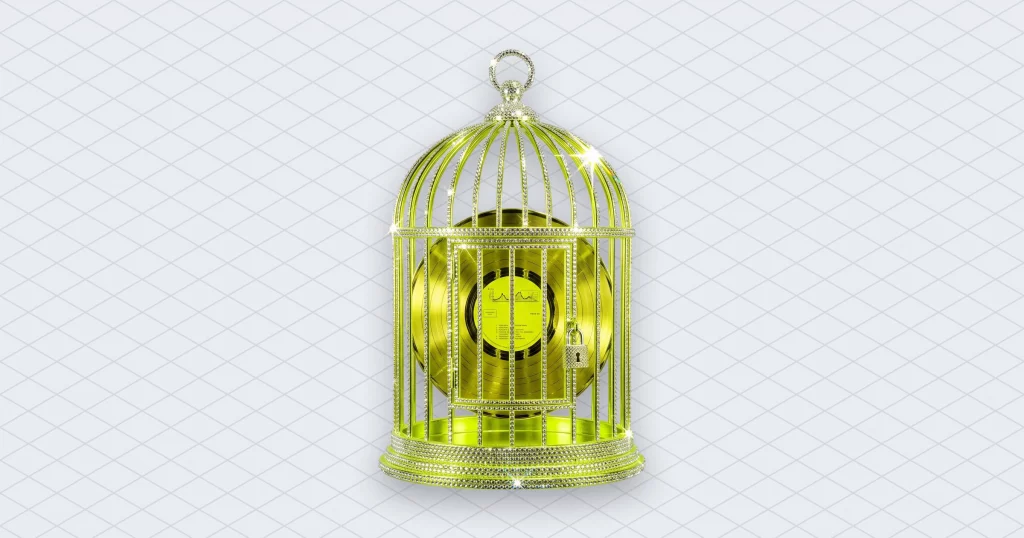
From 2017 to 2024, according to prosecutors, Smith uploaded hundreds of thousands of AI-generated songs to Spotify, Apple Music, Amazon Music and YouTube Music. Then he built an audience for them. The audience was software.
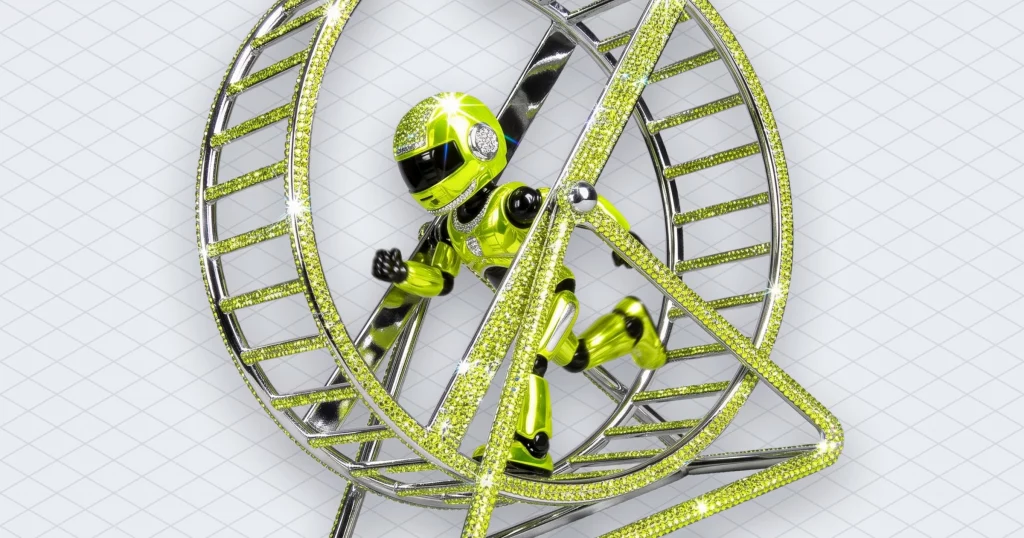
He ran thousands of fake accounts that streamed his catalogue around the clock. An early version used 1,040 bot accounts. At its peak, up to 10,000 were running at once. The trick, as that email says, was spreading the plays thin. No single song ever got suspiciously popular, so nobody ever looked at a single song. Imagine robbing a bank one coin at a time, from every bank, forever.
The government says royalty-paying entities sent him more than $14 million in total. The loss figure both sides agreed on, and the amount he must forfeit, is $8,091,843.64. Prosecutors asked for at least 46 months. His lawyers asked for probation. Judge John G. Koeltl landed on 18 months plus two years of supervised release.
Spotify, for what it is worth, said back in 2024 that its fraud filters had limited his earnings there to about $60,000. Apple, Amazon and YouTube have been quieter about their share.
Why “AI” is the least interesting word in this story
The headlines all say “AI streaming fraud”, and that is technically right, the way “car crime” is technically right about a bank robbery that used a getaway car.
The songs were the cheap part. What made this a crime was the listening, or rather the complete absence of it. Fake accounts pressed play on behalf of fake fans, and real money left a shared royalty pool. Most streaming services pay from a pool split by share of streams, so everyone else on the platform pays for every fake play (we went through who really gets paid when a sound goes viral a while ago, and the answer was already depressing). Smith did not hack Spotify. He picked the pocket of every artist with a real listener.
AI made the streaming fraud scale. Writing hundreds of thousands of songs by hand would take several lifetimes and a lot of coffee. Generating them takes an afternoon and a GPU. That is the uncomfortable part for anyone in AI music, us included: the tool that lets a podcaster get a theme in ten seconds also lets a fraudster fill a warehouse with filler. The difference is not the tool. It is whether a human ever listens.
The Copyright Office wants to know everything
On October 7, the Copyright Office published a notice of inquiry on streaming fraud, prompted by Representative Scott Fitzgerald, Digital Music News reports. It names the usual suspects of streaming fraud: bot farms, click farms, playlist stuffing and hijacked accounts, with a clear interest in how generative AI and bot networks divert royalties.
The questions are broad. What causes fraud. What platforms and distributors already do about it, and whether it works. Whether the fix should be voluntary, written into law or handled by regulation. How common fraud really is across services.
Initial comments are due November 23, 2026. Replies are due December 21. Anyone can file. For once, the people who get hurt by fake streams (independent artists, small labels, anyone paid from the pool) can tell a government office what the problem looks like from their side.
Inquiries like this tend to end in rules, and rules tend to end in compliance checklists for distributors. Which brings us to the part that will actually reach you.
What the AI streaming fraud case changes for legal releases
Expect the filters to get stricter, and expect them to be dumb in new ways.
Distributors and platforms already flag “unusual streaming activity” and pull tracks or withhold royalties when they see it. After the first AI streaming fraud sentence and a federal inquiry, nobody in that chain wants to let the next Smith through. The cheapest way to look serious is to tighten the thresholds. Tighter thresholds catch more fraud. They also catch more innocent weirdness: a song that blew up in one city overnight, a track used in a viral video, an artist whose cousin really did stream the single forty times on release day out of love.

Boring habits that matter more next year
None of these are new. They just got more expensive to skip.
Never pay for streams, followers or “guaranteed playlist placement”. Some of those services are bot farms with a nice website, and when the bots get caught, the songs they streamed get caught with them. Your track becomes evidence in someone else’s cleanup.
Keep receipts for how your music was made. If you use AI tools, keep the licence and the account the tracks came from (copyright questions around generated music are not going away on their own). If you use samples, keep the sample licences. When a distributor asks where a song came from, “trust me” is a weak answer, and “here is the licence and the date” is a strong one.
Watch your own numbers. A sudden spike from one country you have never played to, at three in the morning, with zero saves, is not a fan base. Report it to your distributor before the distributor reports it to you.
And if you publish a lot of music, especially generated music, publish it for listeners, not for the pool. Smith’s whole strategy depended on volume nobody wanted to hear. The safest catalogue is one where every track exists because a person needed it: for a video, a stream, a game, a podcast.
Our take
Eighteen months is less than half of what prosecutors asked for, and some people will say it is too soft. Maybe. The sentence matters less than the precedent. For years, streaming fraud looked like a civil problem, a matter of withheld royalties and angry emails. Now there is a prison term with a dollar figure attached and a federal agency asking questions with a deadline.
This AI streaming fraud was never really about AI. It was about a payout system that rewards plays regardless of who, or what, is playing. AI just turned the volume up to a level where everyone finally heard it.
If you make music with AI, nothing here is a reason to stop. It is a reason to be the kind of catalogue that a fraud filter, a distributor and a federal inquiry can all look at and get bored. Boring, in this one area, is the dream.




 Who we are