




Nvidia is done answering questions about Suno, or at least it would like to be. On November 10, Nvidia’s venture arm NVentures filed a motion to quash a deposition subpoena from Universal Music and Sony Music in their copyright case against Suno, Digital Music News reported. (A deposition subpoena orders someone who is not a party to the case to answer questions under oath.) The Nvidia Suno subpoena asks what the chipmaker knew about Suno’s training data before it invested. NVentures says the 6,324 documents and 28,194 pages it already handed over are enough. The labels disagree. The outcome will show how far they can dig into the people who funded Suno.


NVentures says 28,194 pages already answer the Nvidia Suno subpoena
NVentures says it has done its share. According to its motion, it produced 6,324 documents totaling 28,194 pages “after months of negotiations, collection, and review”. At 500 sheets a ream, that comes to about 56 reams of paper.
The Nvidia subpoena in the Suno case first surfaced in August and was amended after some back-and-forth. Interspace Music’s summary lists what it asks for:
- Nvidia’s business relationship with Suno before the investment
- documents Suno handed over during the investment process
- due diligence on training data and infringement-litigation risk
- assessments of Suno’s possible effect on the market for sound recordings
Nvidia calls this an undue burden. It describes itself as a passive investor with no board seat, whose only job was deciding whether to invest. It also says the labels made “no effort at all” to explain what they can’t get from its production, from Suno itself or from public sources.
Its sharpest argument is about opinions. Forcing investors to hand over private conclusions, the motion says, “threatens to supplant the role of testifying experts”. In other words: hire your own experts, don’t borrow Nvidia’s analysts. So the Nvidia answer to the Suno subpoena comes down to this: the paperwork, yes, the opinions, no.
What happened so far
The timeline so far:
- 2024: Universal, Sony and Warner sue Suno in Massachusetts.
- November 2025: Suno raises a $250 million Series C at a $2.45 billion valuation. Menlo Ventures leads, and NVentures, Hallwood Media, Lightspeed and Matrix take part. Warner settles with Suno the same month and signs a licensing partnership.
- January 6, 2026: Universal and Nvidia announce an AI music partnership.
- August 2026: The labels add a claim that Suno got around YouTube’s anti-download protection. They subpoena Menlo on August 20, and the Nvidia subpoena over its Suno stake surfaces the same month.
- Mid-September 2026: Lightspeed moves to quash its own subpoena.
- October 26, 2026: Magistrate Judge Paul G. Levenson lets the labels depose a former Menlo principal, Music Business Worldwide reports.
- November 10, 2026: Nvidia, through NVentures, asks the court to quash its Suno subpoena.
No ruling on Nvidia’s motion has been reported yet.
The labels want investors to testify about market harm
The labels are going after investors because of fair use, Suno’s main defence. Fair use lets some unlicensed copying stand. One of its four factors asks whether the use hurts the market for the original work. Investors write down exactly that kind of opinion, because “will this replace what people listen to now” is also the question a venture fund asks before it pays.
The Menlo episode shows how this works in practice. The labels pointed to a since-deleted post in which the former Menlo principal wrote that she had “personally shifted most of my listening to Suno”. They argued the post bears on that market-harm factor. Suno did not oppose the request, and the judge granted it.
Lightspeed, which backed Suno in its Series B, C and D rounds, faces 20 deposition topics. They include training-data legal risk and its view of Suno’s effect on the industry. Lightspeed calls the demand “untimely” and “unduly burdensome”. It says it has already produced 152 documents, or 1,259 pages. A magistrate judge previously approved a similar subpoena to Andreessen Horowitz, an investor in Suno’s rival Udio. Nobody has escaped yet.
Why the Nvidia fight over the Suno subpoena matters beyond one chip company
Nvidia has handed over about 41 times as many documents as Lightspeed. So if a court still rules that Nvidia has not done enough to answer the Suno subpoena, no investor’s paperwork is safe. If the court sides with Nvidia, investors get a usable line: give up the documents, keep the opinions. Other AI companies’ backers are presumably reading these filings closely.
Nvidia also sits on both sides of the case. Since January it has been Universal’s partner on AI music tools. Nvidia is also a Suno investor fighting Universal’s subpoena. A big company can do both at once.
Discovery is going both ways. (Discovery is the stage where each side forces the other to hand over evidence.) Suno is demanding streaming data from the MLC and details of licensing talks from streaming services, including Apple.
Suno now has licensing deals with Warner, Believe and BMG. It still faces a suit from Eminem’s publisher Eight Mile Style and a voice-cloning claim from Elvis Presley Enterprises. Each case adds more requests for documents.
The court files this fight as a “miscellaneous” case, docket 3:26-mc-80342. That’s how courts file side disputes like this one, and in a case about what counts as original music, it’s also a fair description of the whole thing. Anyway.
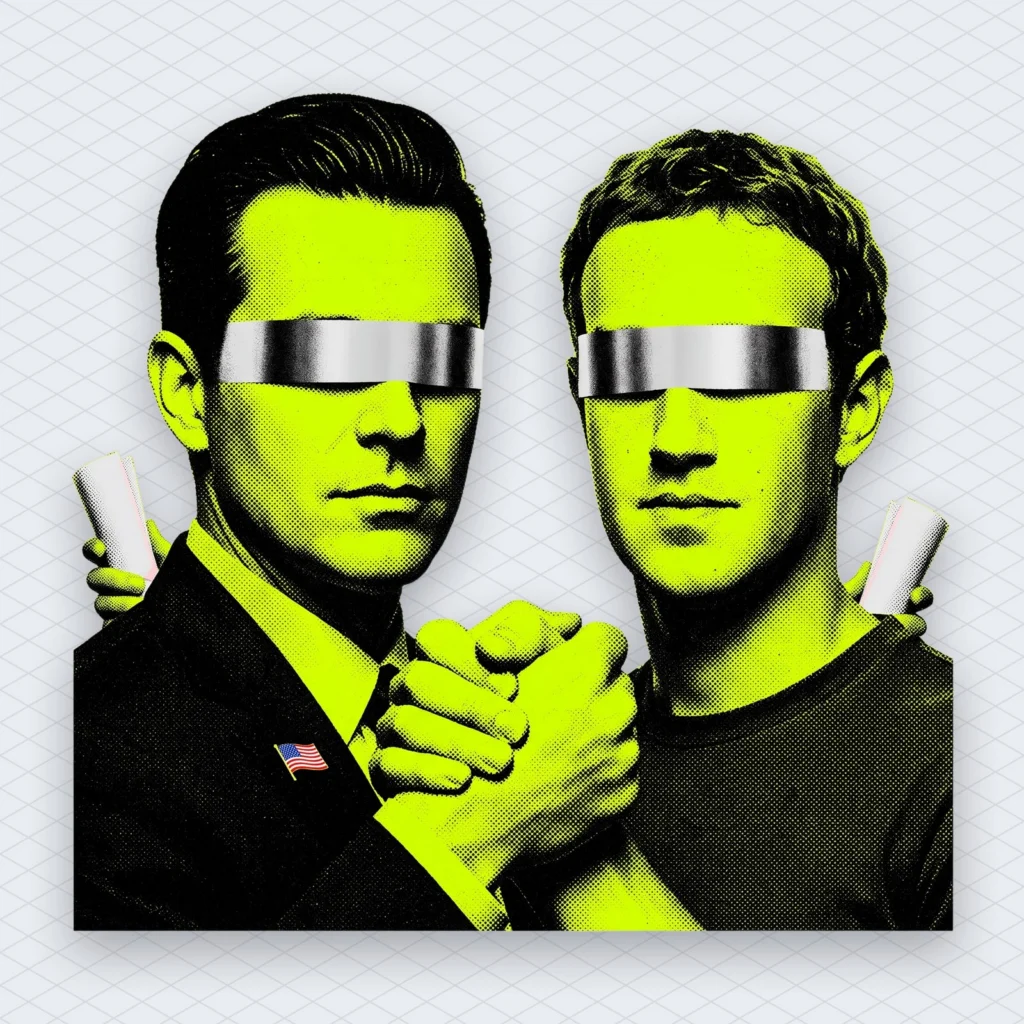
What we think: the Nvidia Suno subpoena fight turns due diligence into evidence
Nvidia has a fair point about the burden. 28,194 pages is a real production, and judges don’t like turning investors into unpaid expert witnesses. Still, the labels’ argument holds up. If a fund wrote “this replaces listening” in a memo before wiring the money, that memo goes to the heart of the market-harm question.
So far the courts have let the Menlo and Andreessen Horowitz depositions go ahead. Our guess is the court narrows the Nvidia subpoena in the Suno case but doesn’t throw it out. Treat that as an opinion, not a forecast.
A confession: we’ve filled in due diligence questionnaires ourselves. You choose every word carefully, and you still assume nobody outside the room will read it. In this case, that assumption is now a discovery topic.
What creators using AI music can do now
You can’t do anything about this motion. Your own records are another matter. If you publish AI-generated music, keep a note of which tool, which plan and which date made each track. Check that your plan actually grants commercial use, because the answer often depends on the tier. And watch the follow-up complaint the labels filed after Suno’s v6 rollout, since rulings in this case could change what these tools are allowed to do.
The questions the labels are asking investors (where did the training data come from, and who got paid) are also worth asking about any tool you use. Mubert Render generates tracks from samples uploaded by artists, who are paid for them. Whichever tool you choose, you should be able to answer both in one sentence. Two at most. And if you ever write an investment memo, assume it could end up as page 28,195.






 Who we are


