

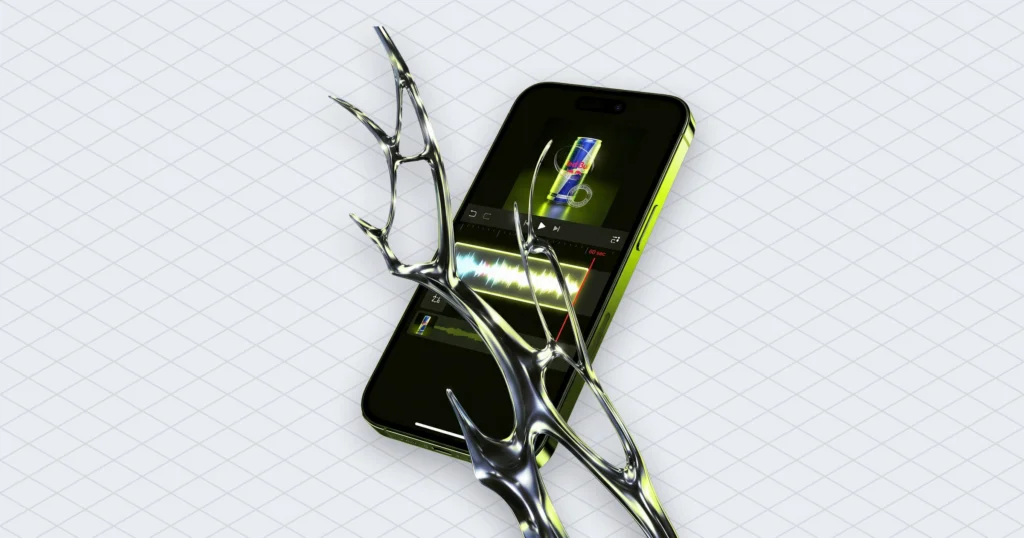
Premiere mobile, Adobe’s free video editor, is getting major-label music: up to 60 seconds per track from Universal and Warner. Adobe announced the deals on November 3, 2026. The catch is four words long. Personal, non-commercial use. This post covers what was announced, where you can post the result, what is still missing and what to do before the feature arrives.


Premiere mobile music deal: 60 seconds from Universal and Warner
Adobe’s deals with Universal Music Group and Warner Music Group cap each clip at 60 seconds, Music Business Worldwide reports. Adobe’s own blog post calls the Premiere mobile music feature “coming soon”. No date.
Once it lands, you can browse, search and preview tracks by artist or song, filter by genre and duration, bookmark favourites and scroll through what Adobe calls “label-featured collections”, which is a lot of shelf for one free app. Templates come too. They’re paired with music, so you start from the song and cut the video to it. Then you export. Adobe says the result can go to “licensed social platforms”, and in material sent to MBW it named YouTube Shorts, TikTok and Instagram Reels.
Sixty seconds is a verse, a chorus and the hope that nobody notices where it ends.
The labels are pleased. Labels usually are when they sign something. UMG’s Bryan Stone said creators get “new ways to build their stories around the songs they love”. WMG’s Rachel Scarpati said the deal puts Warner’s catalogue “directly into the creative process”, per Digital Music News.
What happened so far
The app is just over a year old, and Adobe has stacked music deals onto its products since 2024:
- June 2024: Adobe Express gets TikTok’s Commercial Music Library via the Symphony Assistant add-on, with more than one million pre-cleared songs for businesses (MBW).
- September 30, 2025: Premiere mobile launches free on iPhone, with royalty-free music among its free assets (Adobe).
- October 2025: Firefly gets Generate Soundtrack, in public beta (MBW).
- September 22, 2026: Premiere mobile arrives on Android (MBW).
- November 3, 2026: Adobe announces the UMG and WMG deals, with music “coming soon” (9to5Mac).
Non-commercial use decides who the Premiere mobile music is for
The label tracks are licensed for personal, non-commercial use only. For music cleared for commercial use, Adobe points you to Adobe Stock Audio. Every outlet repeats this line. It’s the line that matters.
Nobody has defined where “personal” stops yet. Adobe’s post doesn’t mention sponsored videos, brand accounts, client work or monetized Shorts. We’ve read enough licences to know how this goes. “Non-commercial” does the most work and gets the least explanation (always on overtime, never a footnote). So until Adobe publishes the full terms, our rule is simple: if someone paid for the video, or the video sells something, treat it as commercial and keep the Premiere mobile music library well away from it.
Then there’s the platform limit. The licence covers posting to licensed social platforms, which already have their own label deals. A Reel works. But the same file on a client’s website or in a paid ad sits outside the deal, going by what’s announced.
That gap is where claims come from. Mubert’s own data, last 28 days: about one in four tracks run through our copyright checker came back with a rights holder’s claim (25.5%, down from 26%).
Sony is missing, and so is a launch date
Sony Music isn’t part of the Premiere mobile deals, Forbes notes. So the “songs you love” pitch has a hole roughly one major label wide.
Other things are missing too. Neither company has said how many songs are included, whether full catalogues are covered or, as The Next Web points out, how artists get paid for the clips. No date beyond “soon”, either. For a feature sold on clarity, a lot is still unclear.
Canva and Meta got to licensed 60-second clips first
Adobe isn’t first to this format. Canva launched a library licensed from Warner Music Group, Merlin and other rights holders in November 2023, MBW notes. Its tracks also came as 60-second clips for non-commercial use only. Meta launched Edits, its own editing app, in April 2025, and by then UMG and WMG both already had revenue-sharing deals with Meta covering music in creators’ posts.
The 60-second non-commercial clip is becoming a standard unit, like the shot glass or the A4 sheet. Nobody voted for it. It just keeps turning up in contracts until one day it’s in the dictionary. Anyway.
What sets Adobe apart is the stack. Express has a commercial library via TikTok, and Stock Audio covers paid work. Firefly generates soundtracks. Premiere mobile now adds a personal-use shelf of major-label music. Four music doors in one company. Each has its own lock.
What we think: music-first editing helps Premiere mobile
For hobbyists, this is good news. Forbes makes the practical point: creators post across several platforms and aspect ratios, so having the music in the edit from the first cut beats bolting it on at the end. Short-form already works this way. People pick the sound first, then cut to the beat.
Our worry is creep. A personal account becomes a side hustle, then a brand deal arrives. By then the back catalogue is full of videos made under a licence that never covered paid work. Licences don’t update themselves when your follower count does. The 60-second cap also shapes the edit. If your video runs longer than the Premiere mobile music clip, the song stops before you do.
What to do before the music arrives
Treat it as a personal library. Use it for holiday edits, fan videos and the dog’s birthday. Keep sponsored and client projects in a separate folder, with music cleared for commercial use. Wedding videographers hoping this fixes the first-dance problem: you were paid for the job. So probably not.
Read the full terms when the feature goes live. Look for three things: the definition of commercial, the list of licensed platforms, and what happens to a video if a track later leaves the library. If you post Reels, clearing the music is a separate question from the video earning anything. Our post on what Instagram Reels views actually pay covers that second half.
And remember the four words. Personal, non-commercial use. They’ll still sit in the Premiere mobile music fine print long after the 60 seconds are over.
 Who we are


