

Australia is weighing an AI opt-out copyright model. Under it, AI companies could train on work Australians publish online unless each rights holder objects. Now artists in Grayndler, Prime Minister Anthony Albanese’s own electorate in Sydney’s inner west, have come out against it, The Guardian reports. If you write, license or train on music in Australia, the draft rules arrive within weeks. Below you’ll find the full timeline, why opt-out is especially awkward for songs, and what to do before the bills land.
The AI opt-out copyright idea in one paragraph
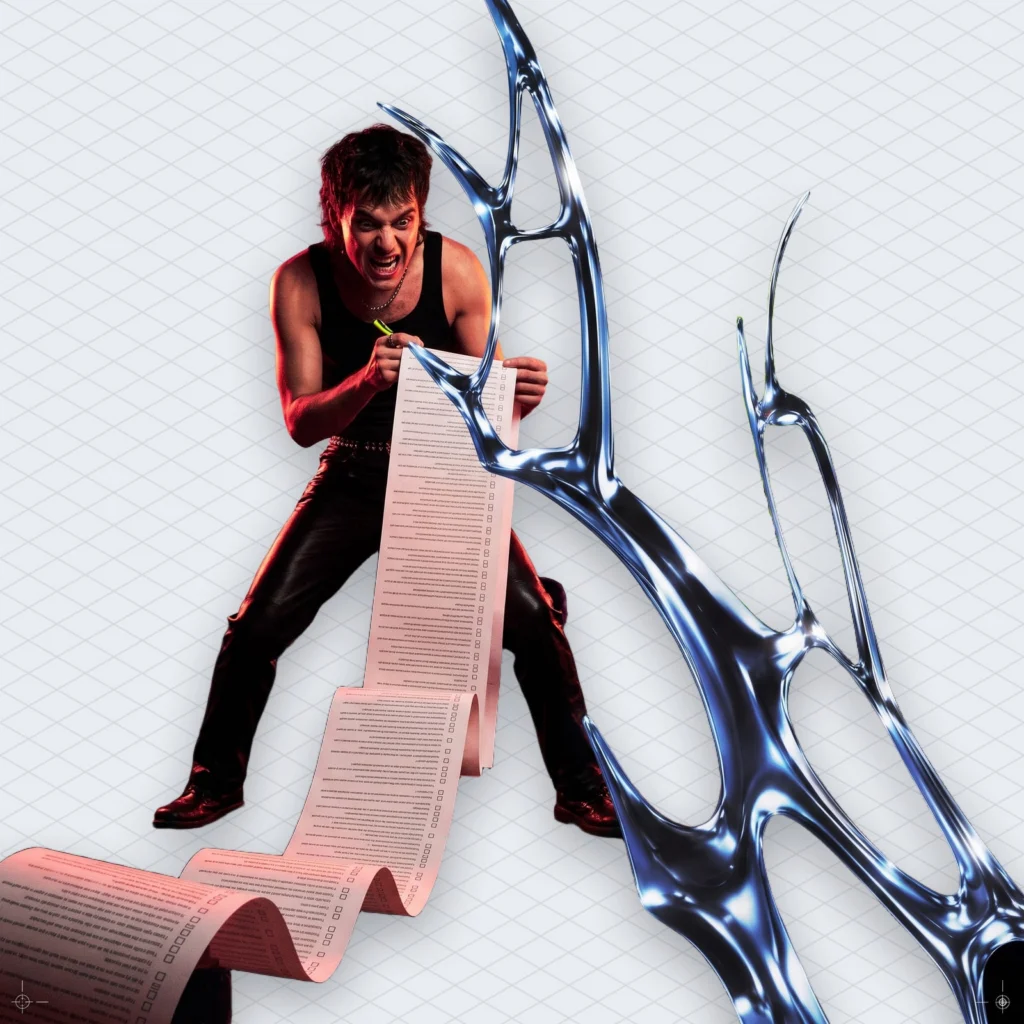
Australian copyright runs on permission. Want to use someone’s work? Ask first. An AI opt-out flips that copyright default, so the company can use the work and the owner has to say no, somewhere, in some format, before the training run starts. The creator does the paperwork. The company keeps the default. (Opt-out sounds like a choice. Mostly it’s a chore.)
What happened so far
The story has been building for a year. Here it is in order.
In 2025, the Productivity Commission’s interim report floated a text and data mining exception, a legal carve-out that lets software copy and analyse works for training. Tech firms backed it. Creative groups hated it.
On 27 October 2025, Attorney-General Michelle Rowland ruled the exception out and said the government had no plans to weaken copyright protection for AI, per iTnews. APRA AMCOS, ARIA, the Australian Society of Authors and Screenrights welcomed the call. The government also set up a Copyright and AI Reference Group to look for legal routes to training.
In early September 2026, the government ran confidential consultations. On 15 September the ABC revealed leaked slides with two options. Under the first, AI firms get permission after striking a minimum number of deals with rights holders. The second has them pay a central body, or separate organisations representing music or writing creators. Both would turn copyright into an opt-out system for AI training.
That same week, executives from OpenAI and Anthropic met federal ministers. Rowland’s office said it was consulting on giving creators “control and fair payment”.
On 22 September 2026, Forbes Australia reported that Anthropic’s submission to a parliamentary inquiry asked the government to “permit AI model training through a narrow form of conditional approval”, with creators keeping an option to refuse.
On 31 October and 1 November 2026, Grayndler artists and creative businesses spoke out against the opt-out model (UA.News summary of The Guardian). Next come the draft bills, due by the end of the year, then a parliamentary debate in 2027.
Grayndler artists say an AI opt-out turns them into a resource
Grayndler is an odd place to test this. According to The Guardian, the seat has more than 3,000 cultural and creative businesses. Creative work employs 10% of its workers, against 4.2% nationally. So the Prime Minister’s own constituents are more than twice as likely as the average Australian to be the people whose work goes into the model. Few seats have more to lose from an AI copyright opt-out.
One artist and designer uses AI in her own practice. She still called it unacceptable to make authors opt out themselves, because that turns them into a resource for tech companies. Notice who is saying it. She has no quarrel with the tools; her quarrel is with the default.
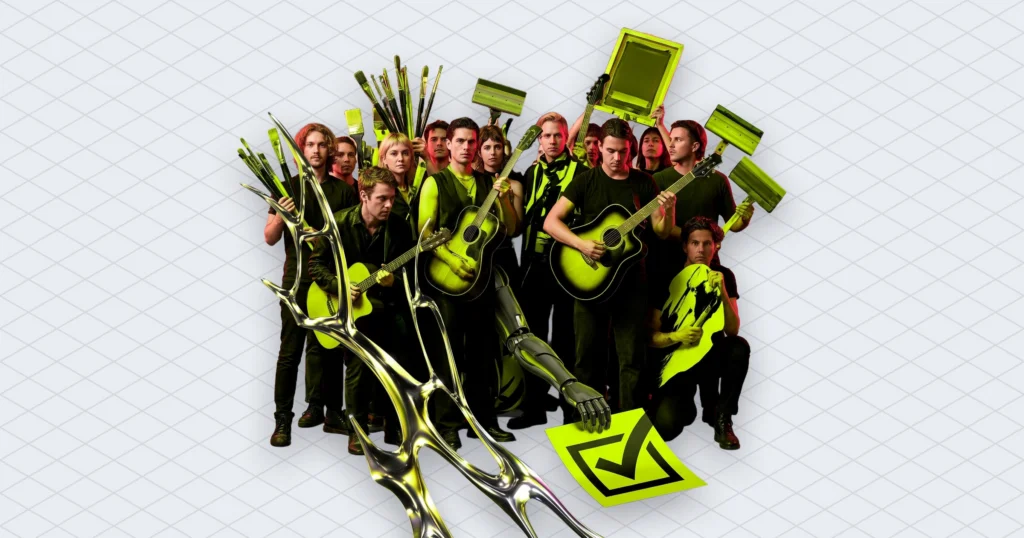
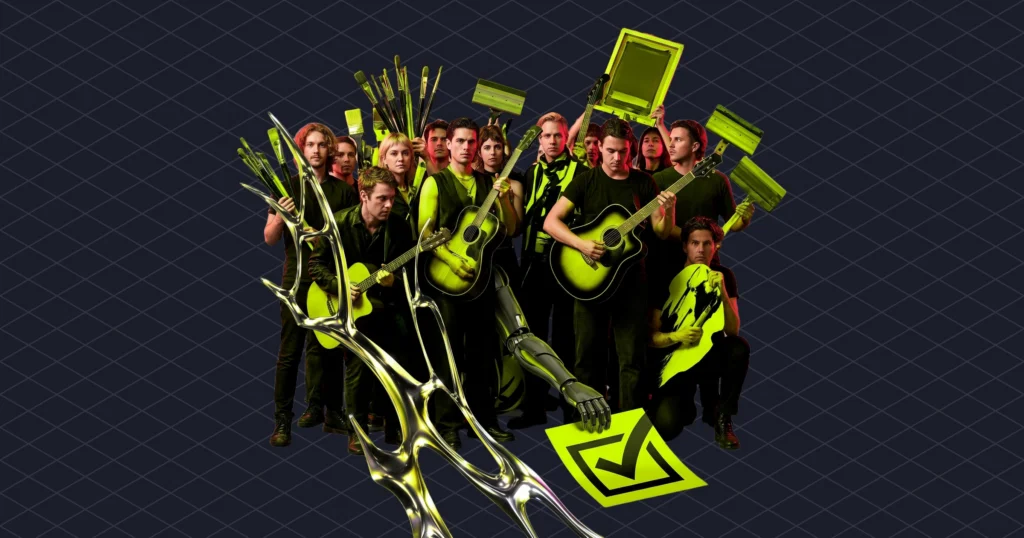
H Morgan-Harris, curator and director of the art space Tortuga Studios, warned that Australia’s creative ecosystem could suffer significant harm. Jason Zoidberg, co-founder of Monster Mouse Studios, also criticised handing AI firms that access. Still, he noted rising interest in hands-on workshops across Sydney’s west. Some people are answering the robots by learning to screenprint.
Albanese has said creators need the strongest possible protections, and that using their work without paying would be theft. Meanwhile, Coalition senators and music industry figures warn that an opt-out could amount to the state taking property. Australia’s constitution only allows that on just terms. That argument will outlive the press cycle.
Why an AI copyright opt-out is awkward for music
A novel usually has one author and one publisher. A song has a crowd: the songwriter, the co-writers, the publisher, the label that owns the recording, the distributor, and sometimes a sample owner from 1974. Then the song spreads. Streaming services, lyric sites, fan uploads, a cover on someone else’s channel, a TikTok with the track sped up 1.25x.
So any AI opt-out written into copyright law has to answer a boring question first. Opt out where? The usual tool is robots.txt, a small text file that tells web crawlers to stay away. It only covers the sites you control, though. A songwriter can block her own website, but not every repost of her chorus. As law academic Dilan Thampapillai argued, the timing fails too. Once a work is inside a model, the model can’t unlearn it, so a late opt-out does nothing.
Try this with any track you uploaded five years ago. Search the title, count the mirror sites, and stop when you reach the one with a cookie banner that never closes. Anyway.
The leaked second option actually fits music better. Paying organisations that represent music creators describes collecting societies, which already license songs to radio, venues and streaming. That model has decades of plumbing behind it. An opt-out registry would start from nothing, and the people with the least spare time would have to maintain it.
What we think: an opt-out is a chore dressed as a choice
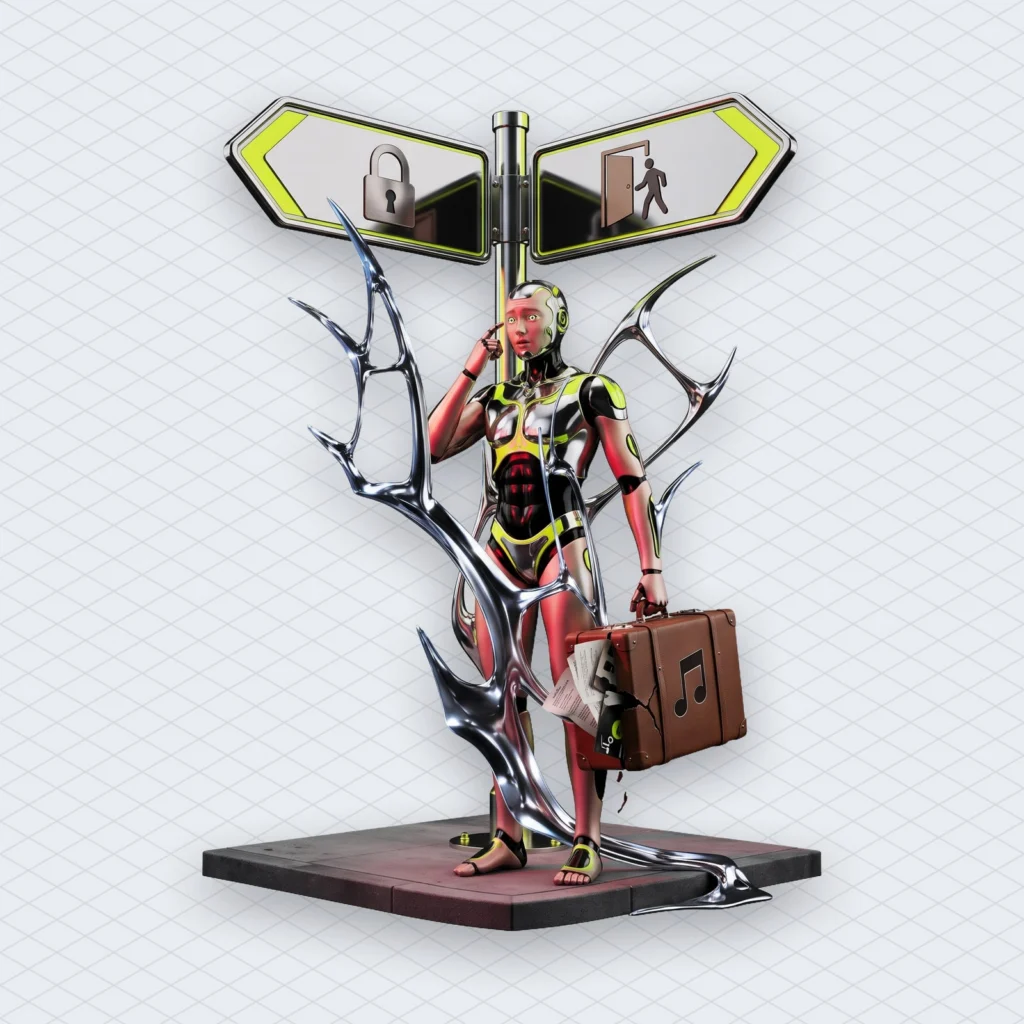
Our view is plain. Opt-in is how music copyright already works, and an AI opt-out would make training the one use that skips the asking. Find the owner, agree terms, pay. If a company wants a song’s data, the song’s owners should get a yes-or-no moment and a cheque, rather than a crawler they have to find and block.
We’d say that even if it didn’t suit us. It does, though. Mubert generates music from samples that artists upload through its Studio and get paid for. Consent sits in the supply chain from the first loop, so nobody has to opt out of anything. It costs money and needs contracts, which is apparently the bit some business models would like to skip.
The investment argument deserves a fair hearing. OpenAI told the inquiry that copyright policy is “part of that investment environment”. But Michaelia Cash’s reply, quoted by the ABC, is hard to beat: “you do not attract investment by simply giving away Australians’ intellectual property.” If you want a data centre, there are cleaner ways to pay for one than with someone else’s songs.
The fight also has a music case on file already. Publishers say AI models already trained on Kylie Minogue songs. So whatever AI copyright rule Australia picks, opt-out or not, it arrives with a bill for training that already happened.
What creators can do before the AI opt-out copyright drafts arrive
Draft bills on AI copyright, opt-out options included, are due within weeks. Some of this is worth doing now.
- Register your songs with your collecting society (APRA AMCOS in Australia) and keep your metadata clean, since every licensing option needs to know who owns what.
- Write to your federal MP, especially in a seat where creative work is a big share of local jobs. Grayndler got noticed.
- Block AI crawlers on the sites you control. It won’t cover everything, but it puts your refusal on record.
- Read your distributor’s and label’s terms for any clause about AI training or licensing your catalogue to third parties.
- If you use AI music in your videos or products, check where the training data came from and what the licence covers.
The government says it wants to give creators control. In Grayndler, people have already worked out what control looks like under an AI opt-out copyright rule.
Homework.
 Who we are


