


Suno wants Apple to say, under oath, what Universal Music and Sony Music make Apple Music agree to about AI. That is the Suno Apple subpoena fight. It sits inside the labels’ copyright lawsuit against Suno. Apple asked a court to cancel a demand for testimony, and on October 27 Suno filed 24 pages pushing back. Apple replied on November 3, and on November 4 the motion moved to a court in Massachusetts. As of November 12, no ruling has been reported. If you make music, use AI tools or earn by the stream, this post gives you the full timeline and both sides’ arguments. It also explains why other people’s contracts could decide what fair use means for AI music.
A subpoena is a court order. It makes someone outside a lawsuit hand over documents or sit for questioning. Apple isn’t a party to this case, and the Suno subpoena is an invitation for Apple to become a witness. Apple would like to decline.
What happened so far in the Suno Apple subpoena dispute
The main case is old by AI standards. The side fight is new. It moves fast.
- June 2024: Universal, Sony and Warner sue Suno. They say it trained on their recordings without permission and made tracks that compete with them. Suno claims fair use.
- November 25, 2025: Warner settles and signs a licensing deal with Suno. Universal and Sony keep suing.
- Over the next year, Apple answers six document subpoenas from Suno and the labels about how it detects AI music and how much Suno material sits on Apple Music, AllHipHop reported, citing Billboard.
- In October 2026, Apple asks the court to quash (cancel) the Suno subpoena for a deposition, or at least to grant a protective order.
- On October 21, Judge Susan Van Keulen recuses herself, so another judge will hear the motion, Digital Music News reported.
- Then on October 27, Suno files a 24-page opposition with four narrowed topics, according to Digital Music News.
- The California court lists Apple’s motion for December 1. Then on November 3, Apple files its reply, and on November 4 the motion is transferred to Massachusetts, Digital Music News reported.
Apple isn’t the only outsider here. Digital Music News also tracks subpoena fights with Suno investors such as Lightspeed and Bond Capital. We covered one investor fight in the deposition over a deleted post about listening to Suno.
Update, November 6: Apple filed a reply on November 3 that doubles down on its motion to quash. It points again to six subpoenas, more than 90 emails and more than 10 calls with both sides over the past year, and says “the time has come to set a limit on the reasonable scope of third-party discovery here,” Digital Music News reported. Apple calls testimony about its talks with the labels speculation, says copyright misuse turns on the labels’ conduct rather than Apple’s view of their catalogs, and argues a protective order would not keep its bargaining positions safe later in the case.
On November 4, with Apple not opposing the move, the magistrate judge transferred the motion to Massachusetts, where the main UMG v. Suno lawsuit is being heard. The December 1 date was set by the California court before the transfer. Digital Music News does not expect a ruling soon.
Update, November 12: No ruling on Apple’s motion has been reported yet. The main case in Massachusetts, though, moved onto the same ground. At a discovery conference of about 80 minutes on November 10, Suno’s side questioned whether the majors even hold the rights to license their catalogs for AI training. Britt Lovejoy of Latham & Watkins said artist agreements “don’t anticipate AI,” some of Sony’s date back to the 1980s, and the labels have to interpret those contracts to know what they own. Counsel for UMG and Sony answered that there is “no determination that has been affirmatively made” that they lack training rights, Digital Music News reported.
The conference also covered the anti-dilution protections the majors got from streaming services and what they conceded on AI to get them, which is what Suno wants Apple to talk about. More depositions of streaming executives could follow. UMG and Sony are expected to say which works in the case they have licensed to AI platforms, Suno is preparing copies of its deals with Believe and BMG (without the negotiation documents), and a joint report on performance and financial data is due in a week.
Suno’s investors are pushing back too. Nvidia’s venture arm NVentures has moved to quash the labels’ deposition subpoena, saying it already produced 6,324 documents, as we covered in our post on Nvidia’s motion to quash.
Suno narrowed its Apple subpoena to four topics
The first version asked a lot. It wanted to know whether Apple Music could survive without the major-label catalogs, which is a fun question to put to a trillion-dollar company. It also asked how Apple works out royalties. And whether it treats AI music differently.
So Suno trimmed the list. Per Digital Music News, the new version of the Suno subpoena to Apple covers four things. First come Apple Music’s current licensing talks with Universal and Sony, AI plans included. Second, viability without the majors. Third, how common streaming fraud is on the service and what Apple does about it, which sounds like an odd thing to ask in a training-data case until you reach the misuse argument below. Fourth, every message between Apple Music and the two labels about the case and Suno. In Suno’s reading, that includes label agents such as the RIAA.
That last one matters most. Suno wants to see whether the labels went to a streaming service and talked about Suno.
Apple says the Suno subpoena reaches too far
Apple’s position is simple: it already helped. It handed over data and declarations about Suno tracks on Apple Music, and those bear directly on market harm. Its filing says it exchanged “over 90 emails” with both sides and held more than ten conferrals (meetings to agree on scope). Somebody at Apple has a folder. The filing ends with a line that reads like a sigh: “And Apple has complied.”
Everything beyond that, Apple argues, is “irrelevant, overbroad, and disproportionate to the needs of the case.” It calls the material “the highly confidential, proprietary information of Apple.” Then it makes the most sensible point in the whole dispute, one Suno has to answer before any Apple executive sits down for questioning: the labels are parties to the lawsuit, so Suno can ask them for their side of the deals.
Fair enough. Apple has answered six subpoenas already, and Suno still wants a deposition. Its reply is that only Apple knows its own side of those talks. A tight protective order, Suno adds, can keep the numbers out of public view.
Why Suno thinks Apple Music contracts prove fair use
U.S. fair use rests on four factors in 17 U.S.C. § 107. Three of them cover the purpose of the use (including whether it’s commercial), the nature of the work, and how much of it the user took. The fourth is “the effect of the use upon the potential market for or value of the copyrighted work.” The labels say Suno’s output competes with their recordings. That claim lives in factor four.
Suno wants to argue factor four from inside a streaming contract. Its filing points to “guaranteed minimum royalties” and to clauses that keep AI content out of the royalty pool. The royalty pool is the shared pot a streaming service splits among rights holders by plays. Now combine the two. If the majors get a guaranteed minimum no matter what AI music does, and AI tracks can’t touch the pot, then whatever Suno’s output does to listening, the labels’ payment has a floor under it. Suno can then argue the market harm is smaller than the complaint claims. That’s why the Suno subpoena asks Apple about contracts at all.
The argument cuts both ways, though. A label that writes AI music out of the pool also tells the court it sees AI music as a threat. Universal’s CEO has said in public that he wants low-effort AI tracks paid less, as we wrote in our post on UMG’s Q3 earnings. Which reading wins depends on what the contracts say. Hence the subpoena.
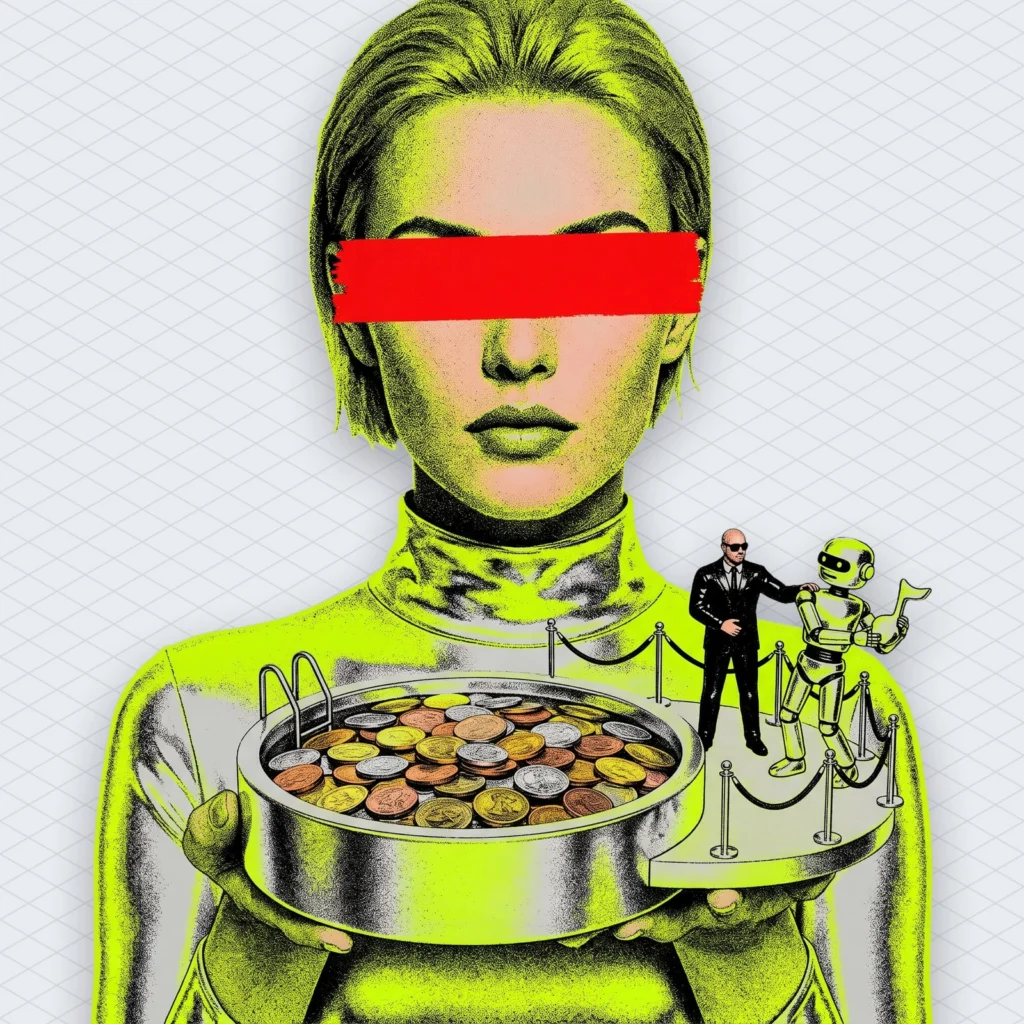
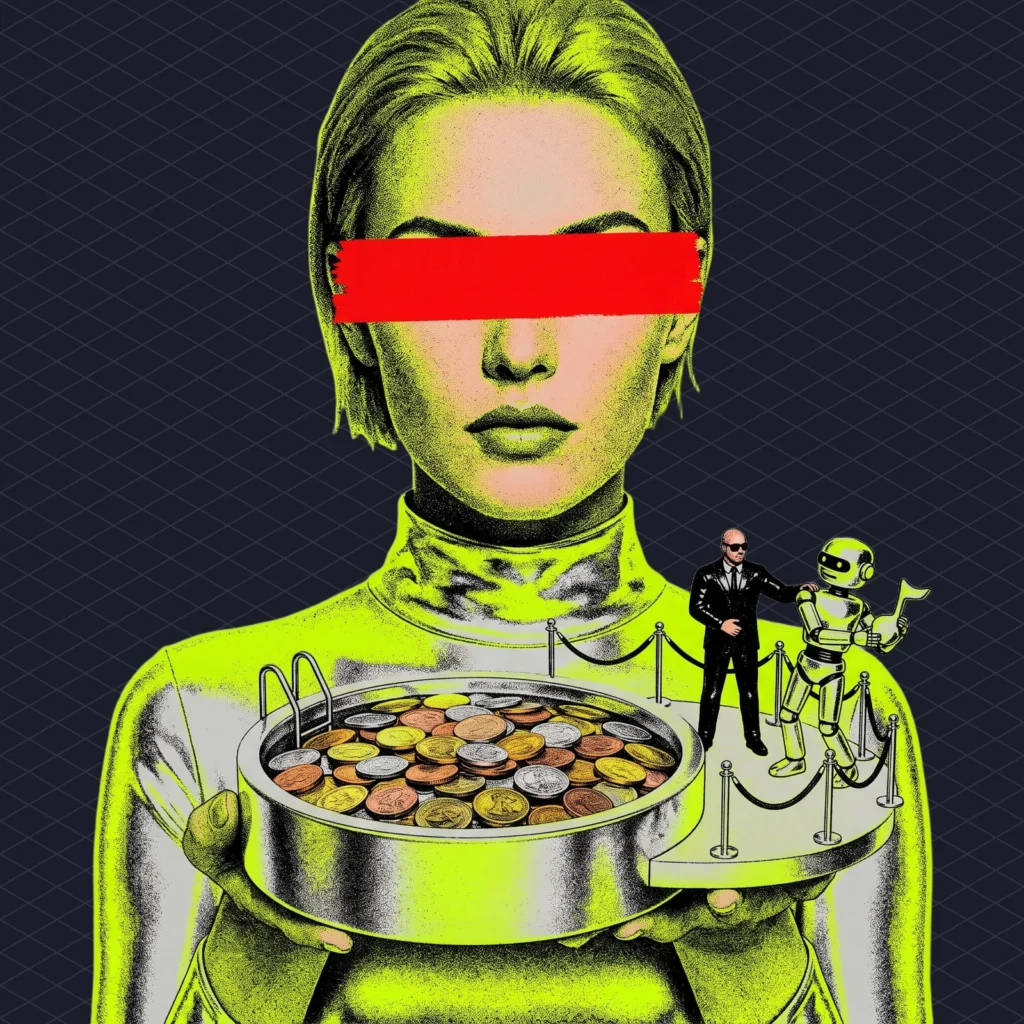
The copyright misuse argument puts the labels on trial
Suno’s second defense is copyright misuse. That’s the claim that a rights holder used its copyrights to grab advantages the law doesn’t give it. Suno accuses Universal and Sony of extending “an unlawful monopoly over the production and commercialization of music.” Strong words. It says they use their catalogs “as a cudgel to extract broad, anti-AI concessions from DSPs” (digital service providers, the industry’s word for streaming services).
The filing targets “negotiations to restrict Apple’s ability to offer AI-generated content, or to steer toward lower-cost content.” It also says the labels cite streaming fraud to block competition from music that doesn’t infringe. So fraud made the list of four.
We spent an evening looking for an older music lawsuit where a streaming fraud dashboard became evidence for fair use. None turned up. Along the way we learned far more than we wanted about how courts hand cases to magistrate judges. Anyway.
What we think about the Suno subpoena to Apple
Apple will probably win part of this. Courts protect outsiders. “Ask the labels” is hard to beat. A narrow protective order looks likelier than a full deposition on Apple’s business. Our guess: Suno walks away from the Apple fight with less of the subpoena than it asked for, though more than nothing.
Still, the request shows where the case is going. The training question (did Suno copy the recordings?) is turning into a market question. What is AI music actually allowed to earn? Nobody outside knows. The answers sit in private deals between labels and platforms, and Suno is betting those deals look more like gatekeeping than harm.
For artists, the awkward part is this. Rules on AI tracks and royalty pools may already exist in contracts nobody outside can read. Rappers and producers have a direct stake too. Reservoir separately sues Suno over 1,050 works, alleging tracks came out with producer tags, the short audio signatures that identify beatmakers. It seeks $157.5 million, AllHipHop reported. Different lawsuit, same fair use question.
Our bias, stated plainly. Mubert generates music from samples that artists upload and earn from, so we think “who licensed what, and who got paid” is the right question. Here, Suno is asking a court to look at that question from the other end.
What creators should do while the court decides
Read your distributor’s AI policy this week. If royalty-pool rules like the ones Suno describes exist, they won’t arrive in an email to you; they’ll arrive as a smaller payout than you expected. Keep notes on how you made each track, which tools you used and what you licensed. Then watch the court in Massachusetts. Its ruling won’t settle fair use. It will show how much of the label-platform AI dealing a court lets into the open.
Apple, presumably, would still like to decline.
 Who we are


