


The Suno MLC subpoena fight now has a date. Suno wants years of streaming data from The MLC (the Mechanical Licensing Collective, the US body that administers blanket mechanical licences for streaming services and pays songwriters and publishers). The MLC has agreed to answer Suno’s motion to compel by Monday, November 2. If you make or use AI music, this matters, because the fight is over the market-harm evidence that could decide whether training AI on recorded music counts as fair use. Below is the full timeline, who is refusing to hand over what, and what creators should actually do about it.


The Suno MLC subpoena now has a November 2 deadline
Suno and The MLC jointly proposed the schedule for the subpoena response, InterSpace Daily reported on October 30. The MLC files its opposition by November 2 and may file earlier. Then Suno replies by November 16, according to Digital Music News.
The judge has not approved the schedule yet. The MLC agreed to it anyway. When InterSpace published, the docket was still empty.
The demand itself is large. Suno’s first subpoena, served in April, covered eleven platforms. Then Suno sent the MLC a narrower subpoena in late August that dropped Meta, Snapchat and TikTok and kept Amazon, Apple, Deezer, Pandora, SoundCloud, Spotify, Tidal and YouTube, per Digital Music News. Suno wants monthly performance data from 2021 to now, broken out label by label: ISRC (the code that identifies a recording), title, label, distributor, play count, use type, match status and featured acts.
That is, more or less, the entire US streaming economy in a spreadsheet. Someone has to open it.
What happened so far
June 24, 2024: Universal, Sony and Warner sue Suno in federal court in Boston. Warner later leaves the case, so UMG and Sony stay on as plaintiffs.
April 2026: Suno serves its first subpoena on The MLC, covering eleven platforms since 2021.
Spring to summer 2026: over roughly four months, the MLC reportedly agrees to produce several terabytes of data, and Suno agrees to pay the cost. The reported bill is about $5,000.
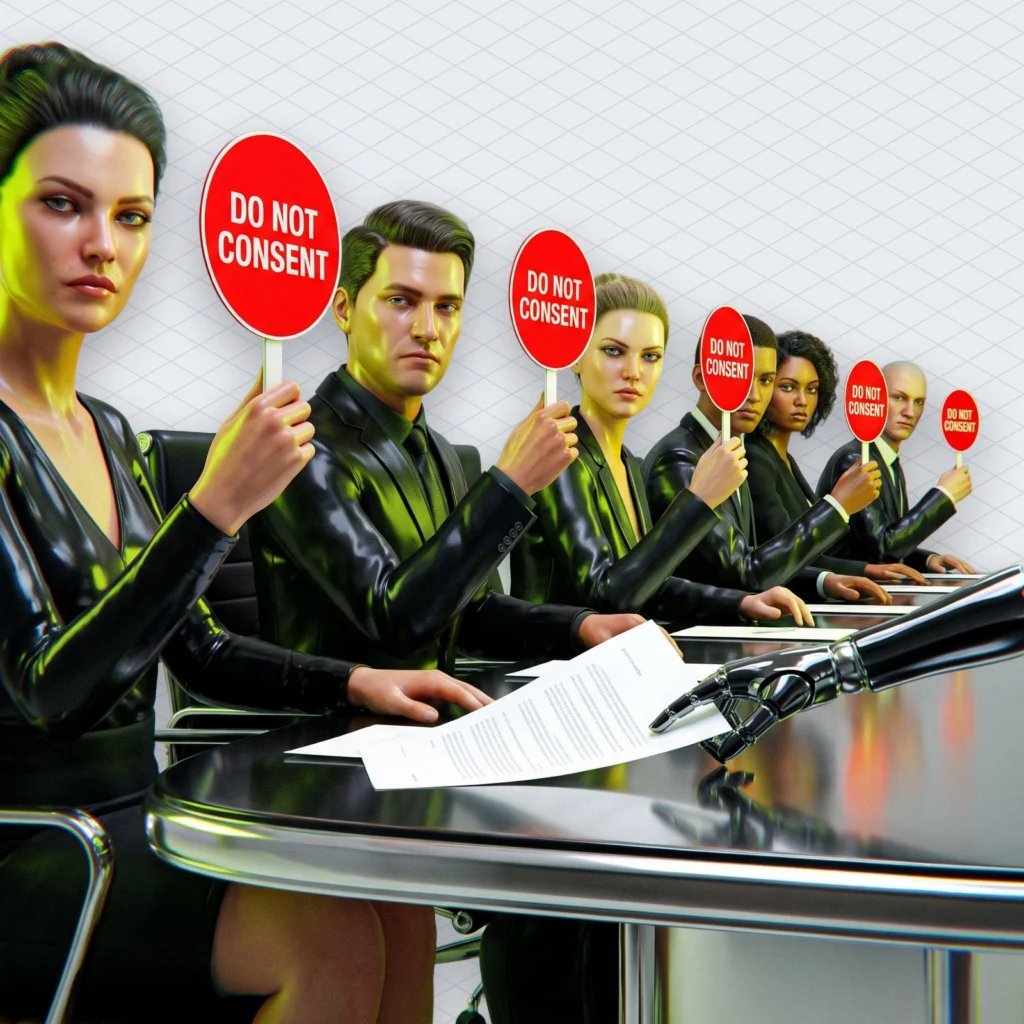
July 2026: Pandora’s counsel emails MLC assistant general counsel Dustin Kovacic. The message is short: “At this time, Pandora does not consent to any production that includes Pandora data.”
Late August 2026: eight platforms remain.
September 23, 2026: Suno’s lawyer Chris Campbell writes to the MLC’s counsel at Pryor Cashman that the collective “suddenly reversed course and refused.”
Mid-October 2026: Suno files its motion to compel.
October 27, 2026: Apple moves to quash a separate Suno deposition subpoena, with a hearing set for December 1.
October 30, 2026: Suno and the MLC propose the November 2 and November 16 dates.
Why the Suno MLC subpoena is about fair use
Fair use is the defence that lets someone use copyrighted work without permission under certain conditions. Courts weigh several things. One of them is whether the use hurts the market for the original, so the labels say AI music damages their market, and Suno wants the numbers to test that.
Suno says the MLC data it wants through the subpoena bears on its fair use and copyright misuse defences. It lists three questions. Has AI audio on streaming services caused the majors actual market harm? Do their licensing terms, including minimum-payment provisions, protect them from the financial impact? And does their control of huge catalogues affect whether services offer or recommend cheaper AI content?
The third question is the spicy one. It suggests the labels might be using the weight of their catalogues to keep AI music off the menu, then pointing at the empty menu as proof of harm. (Whether that is true is exactly what the data would show, which is presumably why nobody wants to hand it over.)
Campbell also refused a compromise limited to the plaintiff labels’ data, writing that “a limitation of that kind would defeat a central purpose of the request.” Comparing the majors against everyone else only works if you have everyone else.
Pandora, Apple and the streaming services that said no
The MLC is a non-party here, and the subpoena is the only reason Suno is talking to it at all. It is not suing anyone. Still, it ends up holding other companies’ secrets, because the platforms send it usage data every month.
According to Digital Music News, the MLC says it does not collect data from labels or distributors directly, has no mandatory label or distributor fields, and has received objections from the affected services. It also calls the August request “vague, ambiguous, and overbroad.” Pandora objected in writing.
Apple is fighting its own Suno subpoena, which asks about minimum royalty guarantees to UMG and Sony, how AI and non-AI tracks are paid, and streaming fraud, InterSpace reported. Apple calls those demands “irrelevant, overbroad, and disproportionate.” We covered that side in our post on Suno wanting Apple Music’s AI deal terms. Same argument, different building.
There is also a twin. Udio’s parent, Uncharted Labs, sent The MLC a request the collective calls “substantially identical” to the Suno subpoena, and the same lawyer represents both AI companies. In that one, the MLC was due to respond by October 30 and Udio replies by November 13.
What this discovery fight means for AI music creators
Discovery is the stage where each side forces the other (and sometimes bystanders) to hand over evidence. It is slow. This one is getting slower, because UMG and Sony are running subpoenas of their own against Suno investors such as Lightspeed and Bond Capital, as Digital Music News laid out. We wrote up the investor side in the C.C. Gong deposition post.
For creators, that means no ruling soon. If you publish Suno tracks, your rights depend on Suno’s terms and your plan, not on a verdict that has not happened yet. If the court eventually finds training on label recordings was not fair use, the people closest to the blast are the platforms. Users who distribute the output will still want to know exactly what they agreed to, and when.
Claims are already part of everyday life. In Mubert’s own data from the last 28 days, about one in four results from our copyright checker found a rights holder’s claim on the uploaded track (25.7%, down slightly from 26.4%). That figure says nothing about Suno specifically. It just shows how often an upload already belongs to someone on paper.
What we think about the Suno MLC subpoena
We think Suno has a fair point on the MLC subpoena and a bad position at the same time.
The fair point: if the labels argue AI music hurts their streaming income, the streaming numbers are the obvious evidence. Arguing market harm while refusing to show the market is like a restaurant suing over lost customers and refusing to open its reservation book.
The bad position: the people holding the data are not the people being sued. Pandora, Apple and the rest never signed up to have their play counts become exhibits in somebody else’s case, and a judge can find the data relevant and still decide eight companies’ commercial secrets are too high a price for one defence. We once tried to get a single platform to explain its own claim logic. It took three months. We got a FAQ link.
Anyway.
Our bet is a narrowed order with heavy protective terms, after more letters than anyone will read.
What to do while the lawyers trade emails
Put November 2 and November 16 in your calendar if you follow the case, and expect December 1 to bring news on Apple. Until then:
- Reread your AI music tool’s terms.
- Save the plan, the date and the receipt for every track you generate, because a dispute two years from now will ask for all three.
- Run your back catalogue through a copyright checker.
- Keep the original project files.
- Read what the streaming services actually say in the November 2 filing, not just the headlines about it.
- Wait for fair use before rebuilding your channel around one tool.
The MLC has until Monday to answer Suno’s subpoena. Pandora, as far as anyone knows, still does not consent.




 Who we are


