
Your stream already has a sound. The question is whether you chose it, or if silence chose it for you.
Most streamers think about camera angles, overlays, and highlight reels. Almost nobody thinks about what the room sounds like when they’re not talking.
That’s a mistake. And it’s costing them viewers.
Here’s the thing: viewers rarely stay because the gameplay is perfect. They stay because something about the stream feels right. It’s warm, or it’s electric, or it pulls them into a zone they didn’t expect to be in on a Thursday night. Music is doing a huge part of that work, invisibly, automatically, without anyone mentioning it in the chat.
This isn’t a list of genres to copy-paste into a playlist. This is a guide to understanding why music keeps viewers watching and how to match sound to your stream in a way that quietly builds loyalty, session after session.
Why Music Works on Gaming Streams (The Part Most Guides Skip)
Before we get into genres, let’s talk about what’s actually happening in your viewer’s brain.
Research published in the Journal of Psychology found that background music during gameplay doesn’t just set a mood, it distorts time perception. Players and viewers who were immersed with well-matched music consistently underestimated how long they had been watching. That’s not a coincidence. That’s the mechanism behind “I didn’t realize it was 2 AM.”
A separate study from ACM CHI PLAY confirmed that when viewers hear music they connect with, engagement goes up and when they hear music they actively dislike, immersion breaks almost immediately. There’s no neutral ground here. Music either pulls people in or quietly pushes them away. The implication for streamers is clear: silence is not neutral. And generic stock music is only marginally better than silence.
What you actually need is music that fits. Not just the game genre, but the moment, the pace, and the identity you’re building.
The Problem Nobody Talks About: DMCA and the Midnight Mute
Before we get into which genres work, there’s a conversation we need to have about why most streamers get this wrong.
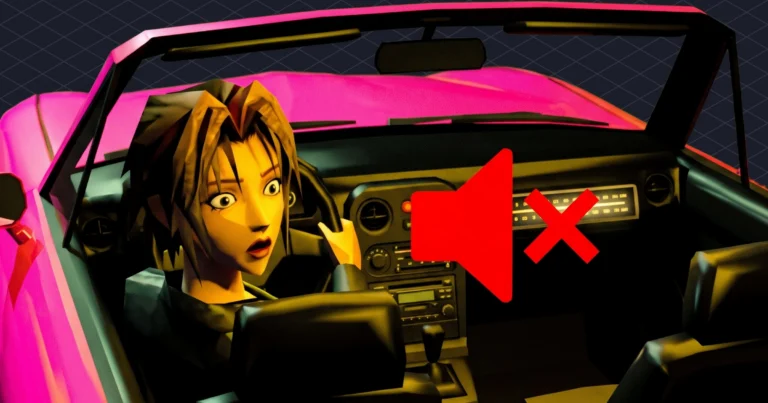
You can pick the perfect playlist on Spotify. You can find a track that fits your stream energy exactly. And then your VOD gets muted, your live stream gets flagged, or worst case your channel takes a strike.
Twitch and YouTube enforce DMCA aggressively, and the rules catch a lot of streamers off guard. Buying a song on iTunes doesn’t give you broadcast rights. Paying for Spotify doesn’t mean you can stream its catalog to an audience. Even background music playing softly during your just-chatting segment can trigger an automated claim.
The only real solution is royalty-free, DMCA-safe music, ideally music that’s been specifically cleared for live streaming across platforms. We’ll come back to how to handle this the right way. For now, let’s focus on what genres actually work and why.
Matching Genre to Stream Type
The typical advice goes something like: “Play lo-fi for chill streams, EDM for hype streams.” That’s surface-level. What actually matters is matching the tempo and emotional register of the music to what’s happening on screen and what you want your viewer to feel in that moment.
Think of your stream like a film. Films don’t play the same music for every scene. They use sound to amplify what’s already on screen, to pace the audience’s emotional experience. Your stream deserves the same intentionality.
Here’s how to think about it by game type:
1. Battle Royale and FPS
Games like Warzone, Apex Legends, and Valorant are already high-stimulus. The gameplay itself is loud, fast, and visually overwhelming.
The instinct is to match that energy with hard-hitting EDM or aggressive trap. And for drop-in moments? That works. But a full stream of high-tempo electronic music creates fatigue. Viewers can only sustain maximum stimulation for so long.
The approach that actually retains viewers:
1. Electronic music with dynamic range: Look for tracks that have quieter, building sections, not just drops. Synth-wave, dark ambient electronic, and mid-tempo techno all work well. They create tension that matches the game without front-loading all the energy. When you hit a clutch moment, the music is already set up to feel significant.
2. Instrumental hip-hop also works surprisingly well here. The percussion locks into mouse movements and gunfire in a way that feels cohesive rather than competing. Less abrasive than full EDM, but with enough pulse to feel alive.
2. RPGs and Open World
Playing Elden Ring at 1 AM. Exploring Baldur’s Gate 3. These are long, atmospheric, story-driven sessions where the main thing viewers want is immersion, to feel like they are watching something cinematic. This is where most streamers make their worst music choices. They either play nothing (deafening silence during exploration) or they play something generic and upbeat that shatters the tone.
Ambient and cinematic instrumental music is the correct answer here. Drone-based ambient, minimal orchestral arrangements, slow-burn atmospheric electronic, anything that creates a sense of space and time. The goal isn’t to be noticed. The goal is to deepen the feeling that your viewer is somewhere else.
Some streamers in this category also experiment with jazz, specifically quieter modal jazz or late-night jazz that creates a “watching something on the edge of memory” feeling. It sounds counterintuitive for a fantasy RPG. It works better than it should.
3. MOBA and Strategy
League of Legends. Dota 2. Hearthstone. These streams have a specific problem: they’re long, they have slow and fast phases, and the audience tends to be analytically engaged. they’re watching to learn as much as they’re watching for entertainment.
Heavy music distracts. Silence during the laning phase feels flat. What works is lo-fi hip-hop and light ambient electronic, music with just enough texture to feel present, but not enough complexity to compete with your commentary and analysis.
Streamlabs own research on stream music confirms that lo-fi’s unobtrusive nature is specifically what makes it effective for content types where focus matters more than energy. The secondary benefit of lo-fi for this stream type: it signals something to your audience. Lo-fi has a cultural association with focus, studying, and “late-night grinding.” Using it in a MOBA stream creates a subtle social contract with your viewer, this is a space for people who take the game seriously.
4. Horror and Thriller Games
Resident Evil. Phasmophobia. Amnesia. Here’s the counterintuitive truth about horror game streams: playing them in silence, no extra music often kills the tension rather than building it. Why? Because silence gives the viewer mental space to step back. Ambient musical texture keeps them inside the moment.
Dark ambient, drone, and experimental electronic music does something interesting here. When layered quietly under horror gameplay, it keeps the nervous system slightly activated without telegraphing jumps or kills before they happen. It creates a constant, low-level dread that makes every moment feel significant.
The key is volume. Horror game music should sit significantly lower in the mix than most other stream types. You’re not soundtracking the game, you’re pressurizing the air.
5. Just Chatting and IRL Streams
This is the most underrated music decision a streamer makes. Just Chatting streams are where your personality is the product. The music you choose here is a direct signal about who you are.
Indie pop, lo-fi R&B, and mid-tempo electronic all work, but the genre matters less than the vibe consistency. Find a sound that feels like you. Play it every stream. Over time, that sound becomes part of your brand. Regular viewers will recognize it when they hear it. New viewers will use it to decide if they like you before you’ve said a word.
StreamScheme’s analysis of Twitch music notes that the best Just Chatting streamers use music as an “atmosphere creator” rather than entertainment, it should keep conversations feeling warm and alive without pulling attention away from what’s being said.
The Concept Nobody Is Talking About: Sonic Identity
The most successful streamers don’t just pick music that fits their games. They build a recognizable sound, something viewers associate with their channel specifically.
Think about how certain streamers have particular emotes, a specific intro sound, a visual aesthetic that’s consistent across every stream. Music can operate the same way. Not identically, you don’t play the exact same track every time, but with enough consistency in style and mood that regular viewers immediately feel at home when they tune in.
Building a sonic identity looks like this:
1. Choose a primary genre or mood for your main content type. One anchor. Everything else builds around it.
2. Pick 2-3 sub-moods for different moments: hype peaks, downtime between matches, ending screen. These should feel related to your core sound, just shifted in energy.
3. Never break the register completely. Playing aggressive death metal in the middle of a lo-fi chill stream creates a jarring discontinuity that viewers feel even if they can’t name it. Keep transitions gradual.
4. Let it evolve slowly. The best streaming brands sound slightly different in Year 2 than Year 1, but still recognizably themselves. Think of it as a music taste that develops, not a playlist you swap out.
Volume: The Setting Everyone Ignores
Whatever genre you choose, the most impactful setting on your audio panel isn’t the genre itself, it’s the volume level. Background music should sit between -20dB and -25dB below your voice level. It should be something your viewer can feel more than actively hear. When it’s right, they won’t notice it. When it’s wrong, either too loud or too quiet, they will.
This applies especially to FPS and action games where game audio is already competing with your voice. Music in those contexts is often better experienced as a pulse in the low-end rather than a full mix.
Getting Your Music Right Without the Copyright Headache
Here’s the reality: the genre decisions above are meaningless if you’re playing music that gets your VODs muted or your channel struck.
Playing music on stream without copyright issues requires more than just finding “royalty-free” tracks on YouTube. You need music that’s specifically licensed for live streaming, with protection that holds across Twitch, YouTube, and everywhere you broadcast.
Mubert’s Streamers product was built for exactly this. It generates an infinite, ever-evolving audio stream that’s 100% DMCA-safe and never loops or repeats, which means no repetition fatigue for long streams, and no sudden silence when a track runs out.
What makes it different from stock music libraries is the generation model. Using Mubert Render, you can set the mood, genre, tempo, and feel you want and get a continuous stream that’s built for that specific vibe. Ambient for RPG night? Done. Dark electronic for FPS sessions? Done. Lo-fi for the late-night MOBA grind? Done. And because it’s generated fresh, there’s no risk of your stream sounding identical to every other creator using the same 200-track library.
The Short Version (Because You Have a Stream to Prep)
- FPS / Battle Royale → Dynamic electronic, synth-wave, or instrumental hip-hop
- RPG / Open World → Cinematic ambient, atmospheric instrumental
- MOBA / Strategy → Lo-fi hip-hop, light electronic
- Horror → Dark ambient, drone
- Just Chatting / IRL → Whatever feels like you, consistently.
Pick your anchor genre. Build your sonic identity. And make sure your music is actually cleared for streaming, because good vibes don’t protect you from a DMCA strike at 11 PM.
One Last Thing
Music won’t save a stream that has nothing going for it. But good streaming with the wrong music will underperform. Sound is the layer most people overlook, which means getting it right is one of the clearest ways to be different from the thousand other people streaming your game tonight. You’re not just building a channel. You’re building an experience. And experiences have a sound.
Make sure yours is one worth staying for.
Looking to build your stream’s sonic identity without copyright worries? Explore Mubert for Streamers, DMCA-safe, mood-matched, never-repeating music built for live broadcasts.

 Who we are