

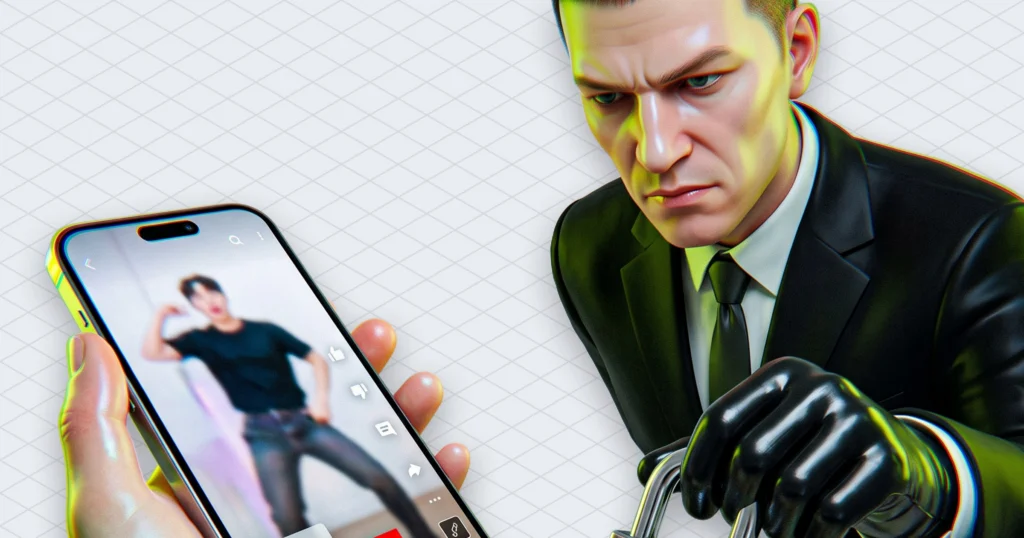
Korea’s music collecting society, KOMCA, has frozen about 24 billion won in Shorts royalties owed to four rights holders, because it suspects someone planted their songs in YouTube Shorts to farm payouts, sometimes at a volume nobody could hear. It matters if you make Shorts. It also matters if a platform ever paid you to use a track, or if you publish music that earns from short video. Below: the timeline, the money, and what to do.
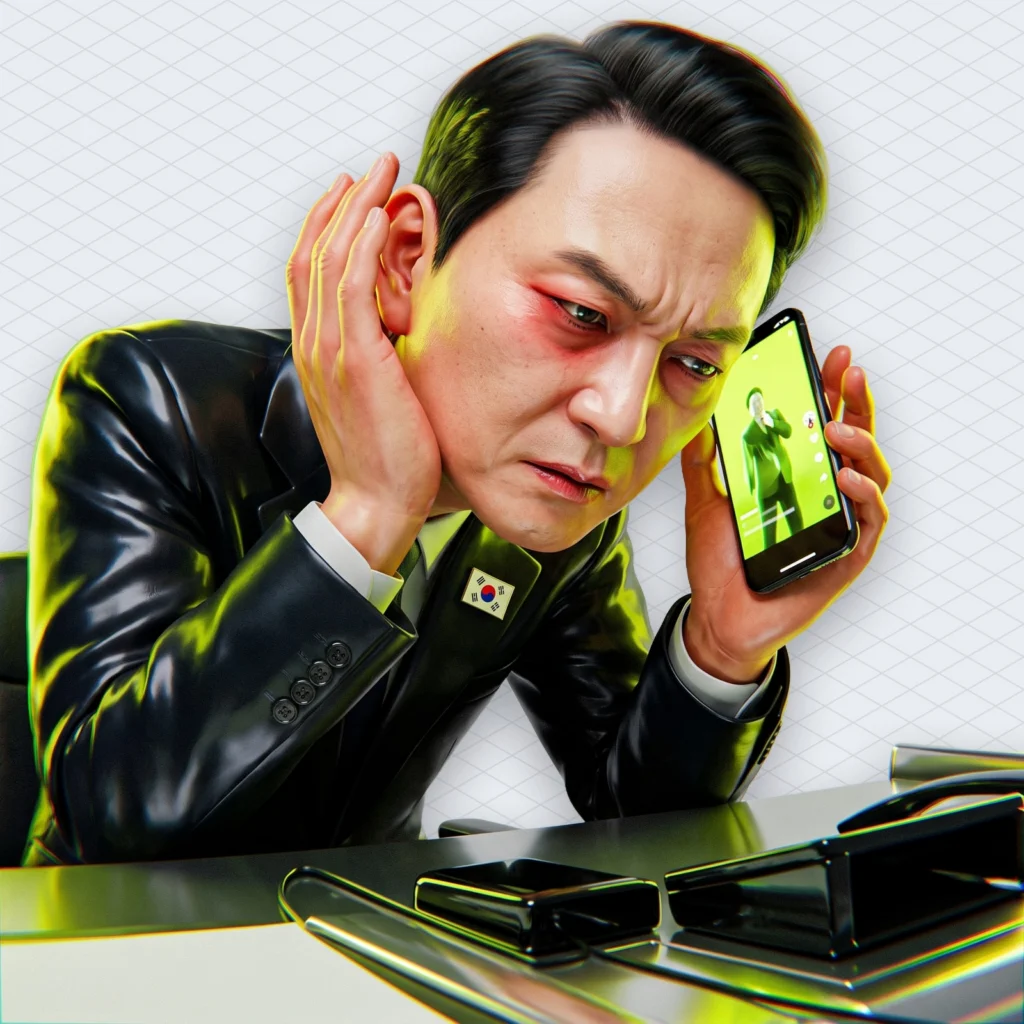
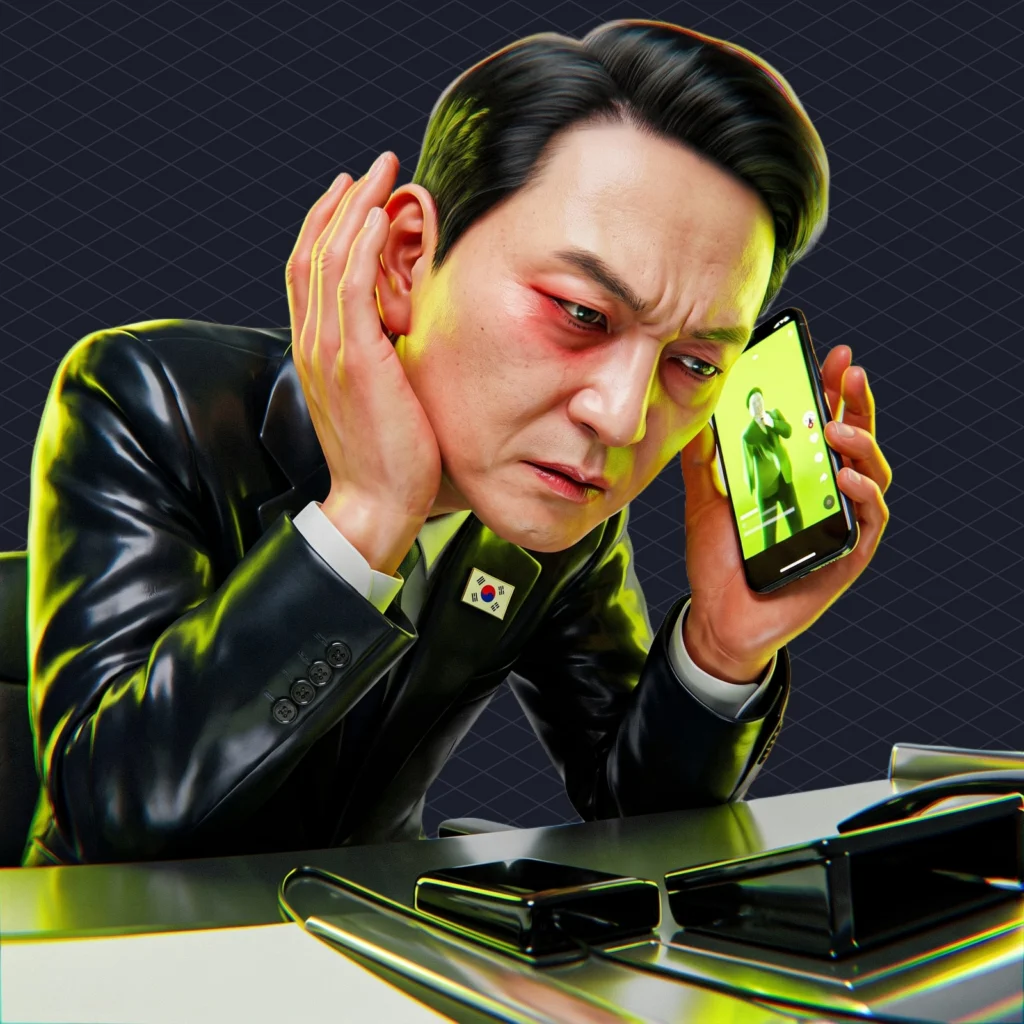
KOMCA holds 24 billion won in Shorts royalties from four rights holders
KOMCA is the Korea Music Copyright Association. It licenses the work of songwriters and publishers to platforms like YouTube, then passes the money back to members. On October 22 it said it would hold back fees for certain rights holders and check their claims again, after lawmakers raised the issue as “YouTube abuse” during a parliamentary audit. Four rights holders. 802 registered tracks.
The press used two numbers. Here is the split. About 24 billion won is what the four have asked for and not yet received. Add the money KOMCA already paid out, and the total tops 30 billion won. When SBS ran a headline about four people and 30 billion won, it used the bigger figure, which is why you may have seen both numbers attached to the same story on the same morning.
For scale, KOMCA collected 437 billion won in licence fees in 2024, according to Music Business Worldwide. Against a year like that, 30 billion would be about 7% of the take. Four rights holders. That is a lot of songwriting.
KOMCA says the fight over these Shorts royalties is bigger than four payments. In its view, it touches every member and the fairness of how the society splits the money.
What happened so far
The story did not start in parliament. It started months earlier, then sat quietly until a lawmaker read it out loud.
- February 2026: a KOMCA member filed a police complaint alleging fraud and obstruction of business, Aju News reports.
- June 30: police declined to refer the case for prosecution, citing a lack of evidence, so KOMCA asked for a review of that decision and kept the money where it was, per Asia Economy.
- September 29: KOMCA’s board weighed releasing the Shorts royalties, then voted to keep the hold until it checks the facts.
- October 12: Democratic Party lawmaker Jin Sun-mi told the National Assembly audit that a new payout model pushed creators toward specific songs to generate huge fees, and the room started asking questions.
- October 22: KOMCA went public, and Star News, Sports Kyunghyang, SBS and others carried the story.
Reports name no one, and nobody has proven anything. Keep that in mind.
How Shorts royalties reach KOMCA in the first place
YouTube does not pay for Shorts music per play. It pools the money instead. Per YouTube’s own policy page, the platform adds up ad revenue from the Shorts Feed each month, and that single pool both pays creators and covers the cost of licensing the music in their videos.
The music share depends on how many tracks a Short uses. With one track, half of the revenue tied to its engaged views goes to the creator pool and half to music. With two tracks, music takes two thirds.
Then the licensing side flows to societies like KOMCA, which split it again. So KOMCA divides its Shorts royalties by how often each song shows up. If one song shows up far more than it should, its share grows. Everyone else shrinks.
A usage record is just a log line: track X appeared in video Y. It counts presence. Nobody checks if anyone liked the song, noticed it or could hear it. That gap is the whole story.
The alleged KOMCA Shorts royalties trick was music nobody could hear
Here is the scheme KOMCA thinks gamed its Shorts royalties. Some Shorts audio platforms paid video creators a share of revenue when they used chosen tracks. SBS quotes the society saying the rights holders then sent part of their copyright fees back to the channels, which turns a song into something closer to a referral programme with a melody attached.
Paying for placement is old news in music. The detail that made lawmakers lean in is new. KOMCA suspects creators used songs that had nothing to do with the video, or mixed them in so quietly that no one could hear them. Picture a radio station that plays a song at volume zero and still files the airplay report.
Confession: we once mixed music under a voiceover so low it was basically a rumour. Nobody paid us for it. Apparently we were doing it wrong.
KOMCA has not finished checking. It says it still needs to test whether the usage records hold up. Next on its list are the Shorts audio platforms: how they work and what contracts they signed. Findings also go to copyright societies abroad. So KOMCA’s Shorts royalties question may travel well beyond Korea.

The AI question is still open
There is a second thread. KOMCA sent 791 of the tracks to an overseas AI music analysis firm. Some came back with signs of AI generation. Still, the analysers disagreed. So KOMCA wants more proof before it pays any Shorts royalties. Did AI make the songs, and how much did a human add?
This is a sore spot for KOMCA. In March, South Korea’s Board of Audit and Inspection sampled 8,540 songs by 29 well-known writers, Billboard reported. It found that 60.9% were likely made with AI help. KOMCA then opened registration to AI-assisted songs in August, and its board withdrew those rules on Aug. 25, cancelling every registration from the gap, per The Korea Times. Twenty-two days, start to finish. Some sourdough starters last longer.
Anyway. The baseline has not moved. Since 2023, the government has held that AI output without human creative input gets no copyright. If any of these tracks turn out to be fully machine-made, the fight stops being about volume and starts being about whether they should earn songwriting money at all.
Why we think the KOMCA hold on Shorts royalties is fair
The freeze looks reasonable to us. The pot is fixed. A track that games the count takes money from every other songwriter in it, even people who never heard of a Shorts audio platform. We covered a louder version of this in the AI streaming fraud case that ended with 18 months. Different platform, same arithmetic.
Holding back Shorts royalties costs KOMCA something too, though. Police found too little evidence. If the claims hold up, four rights holders will have waited a long time for a lot of money. KOMCA admits as much. An official said legitimate fees “should naturally be paid”. The same official warned that paying a big sum without checks is risky too. Both things can be true.
Claims on Shorts are routine, not exotic. In Mubert’s own data, last 28 days, 26.3% of results from our copyright checker found a rights holder’s claim on the uploaded track. That is down from 27.3% before. Roughly one in four.
What creators and publishers should do now
If a platform pays you to put a certain track in your Shorts, read the contract before the first upload. Who pays whom, and why? KOMCA is now looking at exactly those deals. Use music that fits the video, at a level a human can hear. Last month that sounded like taste advice. Now it is audit policy.
If you write or publish music, keep the boring evidence. Save project files, stems and revision history. During its short-lived AI rules, KOMCA told creators to keep DAW projects, revision logs, sheet music and prompt logs, and although the rules are gone, that habit will save you in any dispute.
Also, expect slower money on any track whose usage curve looks too good. Platforms already filter suspicious catalogues. Spotify’s AI slop filter proved it. And if you collect KOMCA royalties from Shorts, assume someone will read your numbers closely.
Somewhere in Seoul, someone now has the job of turning up the volume on 802 tracks that nobody could hear.
 Who we are


