

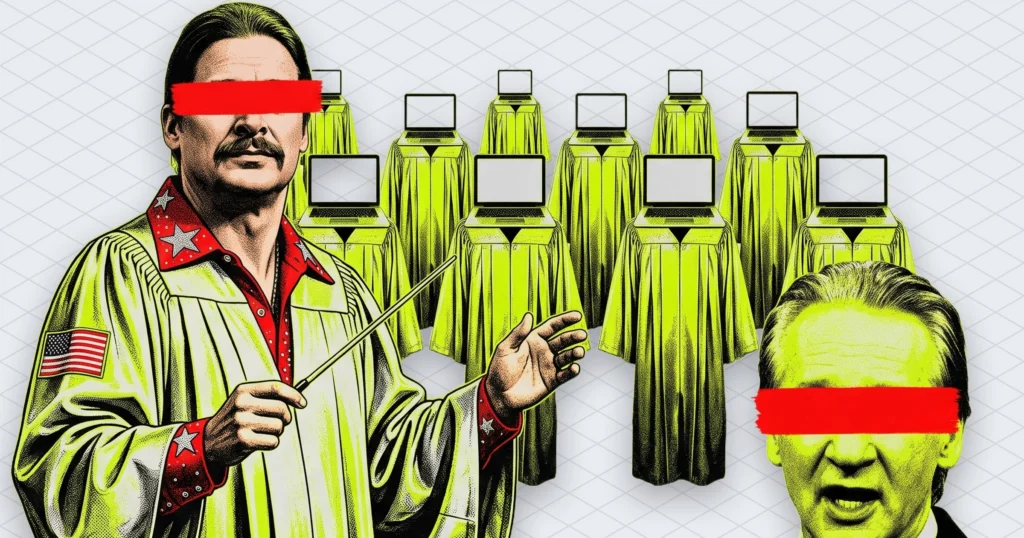
Kid Rock says AI made the gospel choir on “Heal My Faith”, his song with Eminem. He said it on the October 30, 2026 episode of Real Time with Bill Maher, as Consequence reported. This post is for singers, producers and creators who hire voices or skip hiring them. It covers what he said, how the Kid Rock AI choir lines up with his earlier Suno comments and what it means for session work and AI disclosure.
The short version: one song on Halfway 2 Jesus got a choir made from a prompt. Another song got a choir made from three people singing the same part over and over. Both of them count as a “choir” on the record.
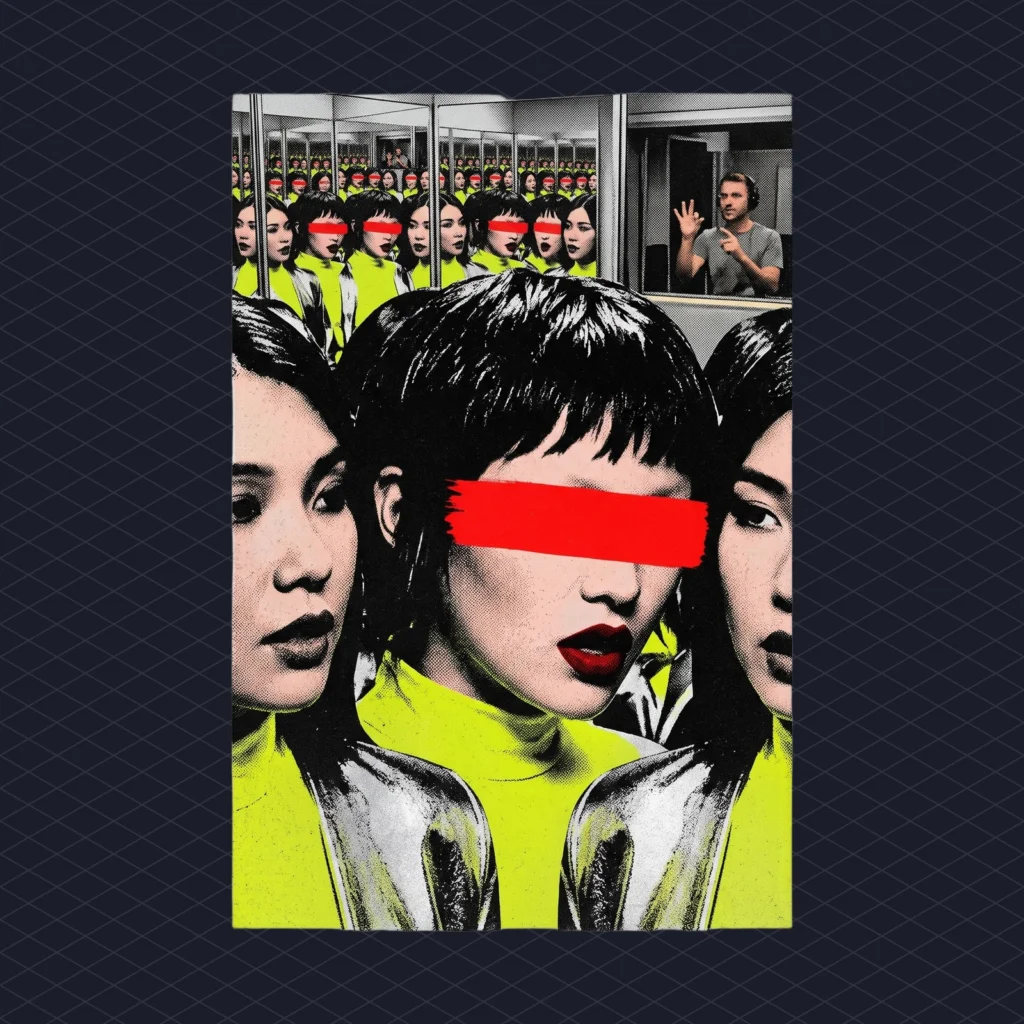
What Kid Rock said about the AI choir on Real Time
Kid Rock said he chose an AI choir for “Heal My Faith” to save time, not money. “I’m an impatient guy,” he told Maher. “It’s not about the money of getting a choir. But everything I look at in life now is time. How much time do I have?” He described prompting for something like a Southern gospel choir and said he loved the result.
Complex adds a more practical reason. “I sang that hook myself. I did the harmonies myself. My singers weren’t around.” So the lead vocal and harmonies on the hook are his. The choir behind them is the AI part.
Maher pushed back: “A lot of people in a choir, and we put them all out of work. Isn’t that what really happened?” Kid Rock asked whether he had actually put anyone out of work, then reached for the drum machine. “Did we put drummers out of work when the drum machine was invented?”
He also called AI “a tool right now” and said he “one thousand percent” believes it needs regulating “at the highest levels”. Nobody on stage said Kid Rock had booked a real choir and then swapped it for the AI one. IBTimes notes the conversation never got that far, and we found nothing that says otherwise.
What happened so far
The story started before the album came out. Here are the steps, with dates where the sources give them.
- Week of October 12, 2026: Kid Rock moves Eminem from “7 Sins” to “Heal My Faith”, with Lil Wayne taking “7 Sins”, per Whiskey Riff.
- Mid-October: Kid Rock tells Billboard he used Suno for “some choir and orchestra segments”, with Nashville studio musicians on most of the album (quoted by Whiskey Riff).
- October 17: Halfway 2 Jesus comes out, followed by the “Heal My Faith” single.
- Chart week of October 31: “Heal My Faith” is No. 38 on Hot Christian Songs, and the album debuts at No. 10 on Top Christian Albums, missing the Billboard 200, IBTimes reported.
- October 30: on Real Time, Kid Rock says the “Heal My Faith” choir is AI and the “7 Sins” choir is human.
- November 1 to 3: Consequence, Complex, IBTimes and others pick up the clip.
On the show he did not name the tool. The Suno detail comes from the earlier Billboard interview, which covered the album in general rather than this one track. So linking the Kid Rock AI choir to Suno is a reasonable guess. Still, it is a guess, and we are labelling it as one.
Kid Rock’s human choir on 7 Sins was three singers, stacked
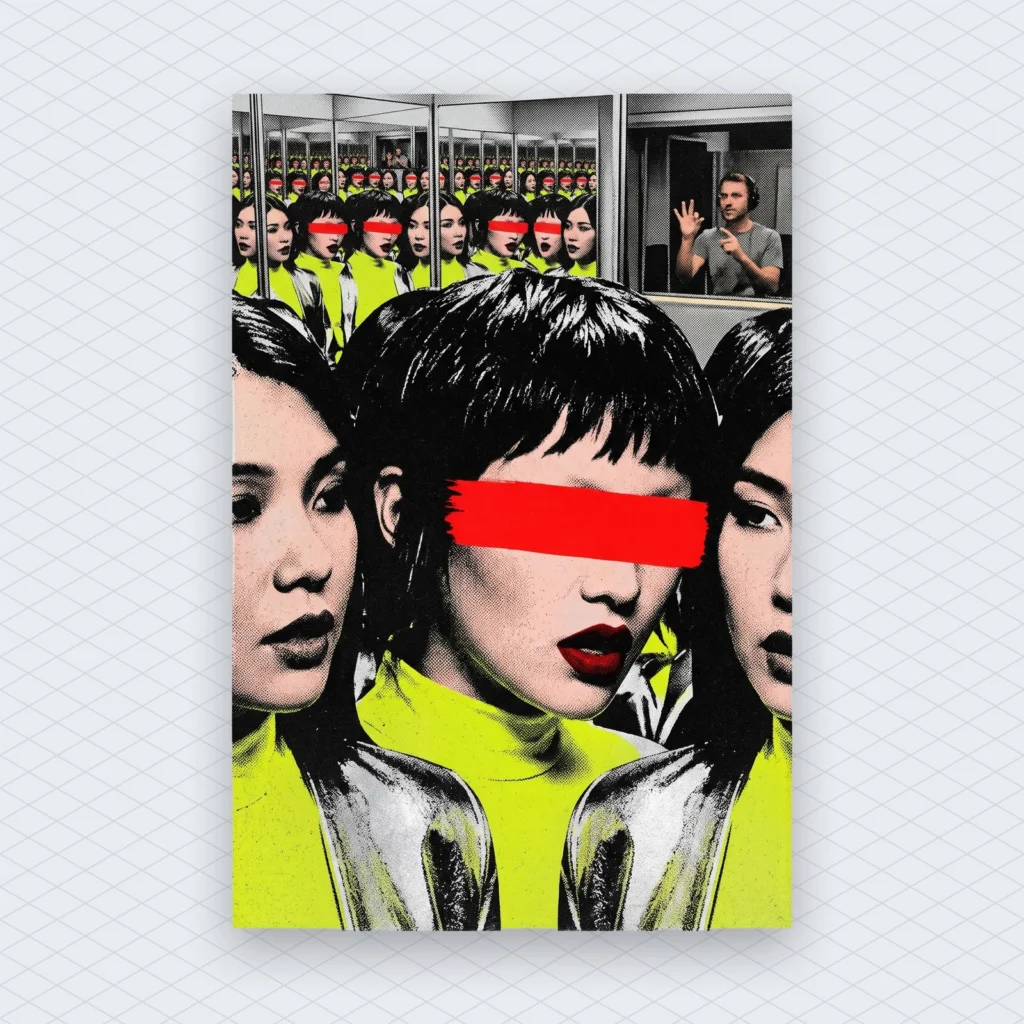
The human choir on “7 Sins” is three people. “I had my two female singers, one male background singer, and we kept stacking the part,” Kid Rock said, as Complex quotes him. Stacking means recording the same line several times and layering the takes until three voices sound like thirty.
That is how a lot of “choirs” on records have always worked (the robes are optional, the overdubs are not). It also changes the Maher question. On a record like this, the Kid Rock AI choir does not compete with forty people in a church loft. It competes with the band’s regular backing singers and an afternoon of overdubs, and on “Heal My Faith” those singers “weren’t around”.
So the gig at risk is small, specific and very real. It is the extra session, the one an artist books because he wants a bigger chorus by Thursday. If a prompt can fill that slot while the singers are on another tour, nobody books the session in the first place. Nobody gets fired. The phone just doesn’t ring, which is harder to put in a headline.
Then there is the drum machine line. Drum machines really did change who got hired and for what, and the industry took years to sort out credits for programmers. The nail gun analogy from the Billboard interview has the same problem: a nail gun still needs someone to buy the nails. Anyway.
Disclosure: the AI choir story only exists because Kid Rock said it out loud
Kid Rock disclosed the AI choir himself, on television, when Maher asked. That is more than most releases do. As far as we can tell, nothing on the track tells a listener which voices are human, unless someone goes on HBO and says so.
The plumbing for this does exist. In September 2025 Spotify said it would support a DDEX standard for AI disclosures in music credits. Labels and distributors use it to mark which parts used AI: vocals, instrumentation or post-production. Fifteen labels and distributors had signed on at the time.
Spotify’s Sam Duboff said the point was to avoid “a false binary” of AI or not AI. “Heal My Faith” is exactly that case. It has a human hook, human harmonies and, behind them, the Kid Rock AI choir.
There is a rights question too. The US Copyright Office’s 2025 report on copyrightability says material that comes from prompts alone gets no copyright protection, while human contributions can. Suno’s own help page says users on its Pro or Premier plans are “considered the owner” of songs they make while subscribed. On the free plan, Suno keeps ownership and allows only non-commercial use. The plan matters.
A contract with a tool and a copyright are two different documents, and a generated choir sits in the gap between them. If Kid Rock’s AI choir came from Suno, it also lands in the middle of the labels’ lawsuits against the company. Awkward timing. We keep covering those, from the Jason Isbell case to the 60,202-track training list. A famous artist calling Suno “another tool” makes a nice quote for one side of that fight.
What we think, and what creators should do
We think Kid Rock did the one useful thing with his AI choir: he said which part was AI. The argument is not really about whether AI choirs exist. They do. It is about whether the people who would have sung, and the listeners who assume they did, get told.
If you make music or put it under videos, here is what we would actually do:
- Write down which parts of a track are generated, at the time you make them, not three weeks later on a talk show.
- Ask your distributor whether it sends AI disclosure fields, and fill them in by part.
- Check which plan you were on when you generated something, because Suno ties ownership and commercial use to it.
- Don’t claim copyright over a generated choir as if you had sung it.
- If you work with backing singers, book the overdub day early. On this record, the singers lost the slot because they weren’t free.
There is also a supply-chain question under all of this: whose voices and recordings did the model learn from, and did anyone get paid. That question is why we built Mubert Studio the way we did: human artists upload loops and samples, the platform generates from them and pays the contributor.
So the drummers kept working after the drum machine showed up. They also spent a few years learning to program one. The backing singers on “7 Sins” have a simpler job after the Kid Rock AI choir: be around next time.
Cover: illustration based on a photo of Kid Rock by The White House, public domain and a photo of Bill Maher by Angela George at https://www.flickr.com/photos/sharongraphics/, CC BY 3.0.
 Who we are


