
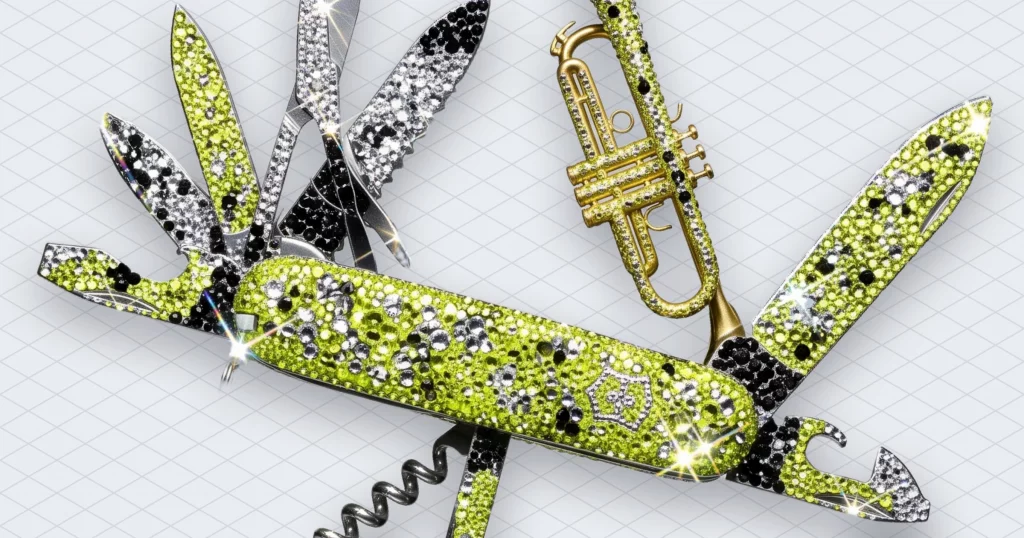
On October 7, Elon Musk wrote on X that Grok Bot will use “the best back end model for any given task,” and he named Suno among the candidates, as Music Business Worldwide reported. So Grok will soon send its music requests to Suno, even if nobody can press the button yet. The chatbot is turning into a general contractor. You place the order. It phones a subcontractor for the plumbing, the paint and, apparently, the chorus.
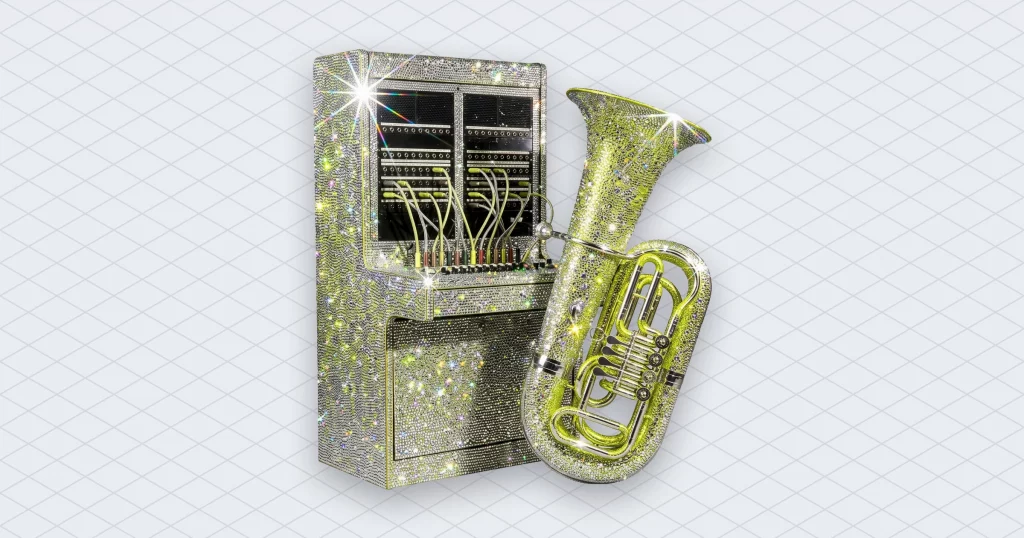
Musk posted two sentences and the industry read them nine times
The post is short enough to quote almost whole: “Important note regarding Grok @bot: Going forward, @SpaceX will use the best back end model for any given task, including Claude Opus 5.5, […], Suno and other leading APIs. Whatever is most likely to give you the best outcome.” (The bit we cut is an image generator. This is a music blog, it can wait.)
Then came a follow-up. Musk said most requests are “pretty simple” and that a “lightning-fast version of Grok 4.8” will take them once that model comes out, according to Digital Music News. Small questions go to small models. Big ones go to big models, and plenty of software already does this routing quietly behind the curtain.
Music requests to Suno sit somewhere in that queue, but Grok has not said where. The Claude part seems to be moving, because a Grok Bot team member said on X that Opus 5.5 was rolling out across the app. For songs, SpaceXAI has given no date at all.
A quick tangent. SpaceXAI started in 2023 as xAI, SpaceX bought it in February, and it took a new name in July. Then on October 4 Musk said it will change names again, to SpaceXSI, with no date attached. If you are reading this later, check the letterhead.
Anyway.
Grok Suno music has no date, no API and no fine print
The plumbing has a small problem. Suno does not currently offer an official public API. Grok wants Suno’s music engine, but the engine has no public door yet.
Its chief product officer, Jack Brody, wrote on LinkedIn on July 1 that the company was “exploring a developer API” and planned “to start with a curated group of partners.” A mass-market chatbot is quite a curated partner.
Also, Grok Bot already makes songs on request. DMN lists ElevenMusic, Meta’s MusicGen, Stable Audio and others. So Suno is not Grok’s first music vendor, just the one Musk chose to name. The “robots using other robots to pump out music” era (DMN’s phrase) may have started months ago.
People on X keep asking two things. When does it roll out, and what rights come with the output? Silence so far. Right now the fine print is a blank page with a logo on it.
The lawsuits come pre-installed
Suno is more licensed than it has ever been. It is also more sued. It settled Warner Music Group’s lawsuit in November 2025 and signed a licensing deal with the label, then signed with BMG and Believe, and on September 9 it launched v6, which it developed with all three partners.
Nine days later, Universal and Sony filed a second suit in Boston. They claim Suno copied 60,202 of their recordings without a licence, and they argue that training a new model on the outputs of an infringing one “launders it.” Suno replied that the claims “remain fundamentally flawed on both the facts and the law.”
Round Hill Music sued both Suno and Anthropic on August 17. Anthropic makes Claude, the first model in Musk’s list, and it faces cases from the publishing arms of all three majors. DMN adds a terms-focused investigation of Suno in Italy. (One post, two named vendors with music court dates. Efficient.)
None of this makes a chatbot song illegal. Still, for Grok users making Suno music, the open cases count as background noise right up until they don’t. If the licence questions are unsettled for the companies, they are unsettled for you.
Who owns a Grok Suno music track is anyone’s guess
Suno has its own terms for people who use Suno directly. Grok Bot has its own terms too. Make a track with Suno inside Grok, and the music falls into the gap between two documents. Nobody has published the bridge.
For streamers, this gets practical fast. A content ID system does not care which chatbot you asked, because it only checks the audio. If a generated track sounds close to something a label owns, “the robot made it” is a defence you would test at your own expense. We covered the general version in the licensing problem nobody explains, and the live side in your stream’s silence problem.
A confession. We have, more than once, read the licence after shipping the thing. Bad order of operations. Do not recommend.
Music is becoming a plug-in, like spellcheck
This is the real news, and it is bigger than one vendor deal. A general assistant that routes tasks turns music generation into a back-end layer. Grok calling Suno for music is the loudest example so far, though hardly the first. The user types “make me a lo-fi intro” and gets a file, and they may never learn which model wrote it.
Great for speed. Terrible for transparency, unless the app tells you which model produced the output. We think it should, every time, because attribution and licensing both start with knowing who made the thing.
The vendors keep converging, too. ElevenLabs is pushing hard into music. Suno, for its part, opened October with Speech, which it calls “the first audio model that generates voice and music together as one cohesive track.” It also raised over $400 million in June at a $5.4 billion valuation, so the plug-in has serious money behind it.
For developers, the chain gets longer. If you build on an assistant that subcontracts, you inherit the subcontractor’s licence chain plus one more link. Where the samples come from is the question we care about most, since it is how we built Mubert: the platform generates tracks from stems that artists uploaded and get paid for, and your plan sets the licence scope. Ask that question of every tool, ours included.
What to do before Grok Suno music shows up in your chat
Nothing has shipped. That makes this the cheap moment to get organised:
- Read the chatbot’s terms for generated audio, as well as the music vendor’s terms.
- Save the prompt, the date and the model name (if the app shows it) for every track you keep.
- For anything monetised, get the commercial-use answer in writing before you publish.
- If you build apps, do not hardcode a feature to a music API that is not public yet.
If Grok starts handing your music prompts to Suno, you want that paper trail to exist already. A general contractor is lovely until the inspector arrives. Before you let anyone near the chorus, ask to see the subcontractor’s paperwork.

 Who we are