

Deezer is adding an on/off switch that removes fully AI-generated music from search. The Paris-based streaming service announced it on Tuesday, October 13, and says it will reach every market before the end of 2026. The Deezer AI toggle is for listeners who only want human-made music, but it also matters to anyone who releases music with AI somewhere in the chain. Below: what the switch does, the numbers, where “AI-assisted” ends, and what to check before launch.
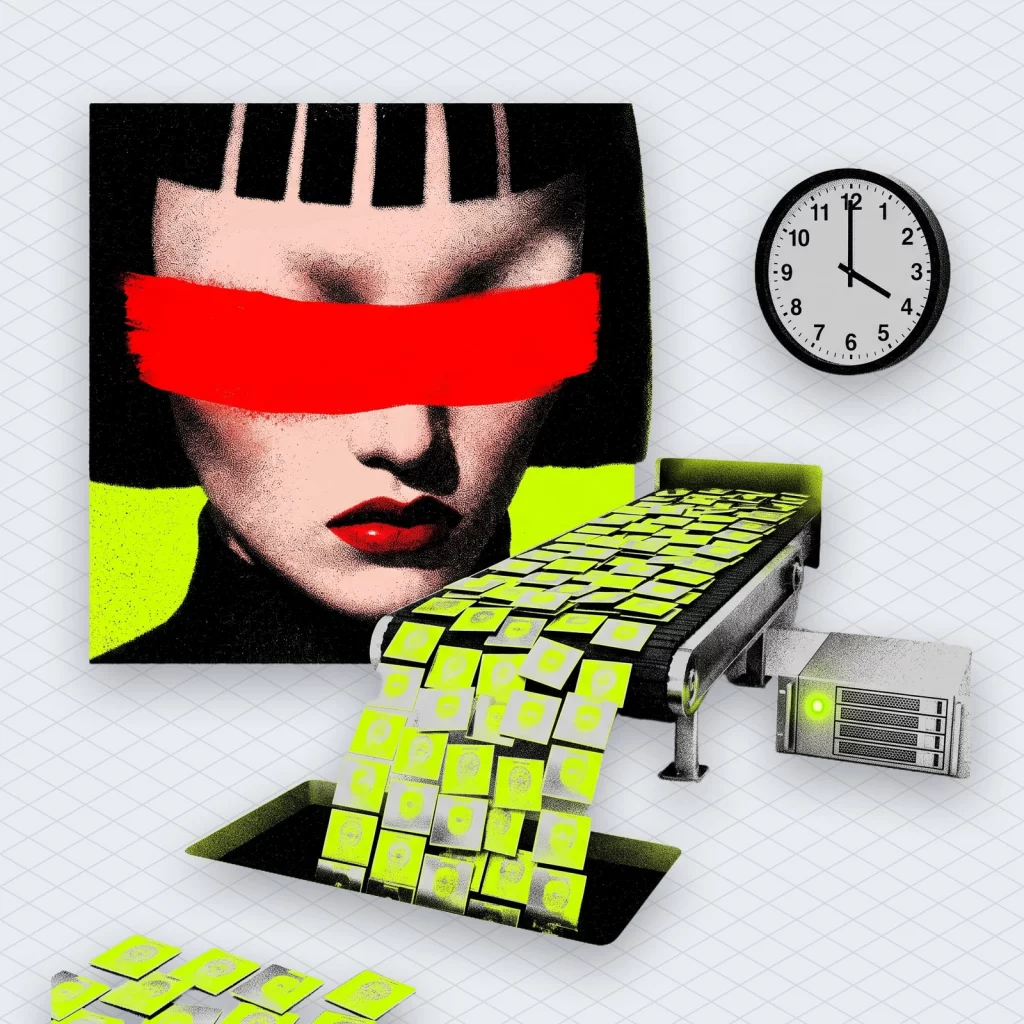
Start with the scale. Deezer says it receives nearly 90,000 fully AI-generated tracks a day. That works out to roughly one track a second, every second, 4 a.m. on Sundays included. (Nobody uploads by hand at 4 a.m. Scripts do.)
Deezer’s AI toggle removes fully AI-made music from search
The mechanics are simple. When a listener switches the Deezer AI toggle on, fully AI-generated tracks, albums and the artists attached to them stop showing up in search results, according to Deezer. If they change their mind, they switch it off and everything comes back.
Search was the last door left open. Since 2025, Deezer has kept tracks its detector flags as fully AI-made out of algorithmic recommendations and editorial playlists. So the app wouldn’t suggest them, but you could still find one by typing its name, which is how most people look for a song anyway. Once the Deezer AI toggle is on, even that stops working.
Deezer hasn’t said whether the AI toggle starts on or off. Our guess: opt-in. The announcement talks about users “activating” it, but nobody has confirmed the default in plain words.
The reason is a survey. In a Deezer/Ipsos study from November 2025, 45% of streaming users said they would like to filter out 100% AI-generated music. CEO Alexis Lanternier summed it up: “We’ve seen a clear user demand for the ability to filter out AI-generated music”. So the switch is Deezer saying yes to nearly half its audience.
What happened so far
- December 2024: Deezer files two patents on its AI detection tech, which the EU and US patent offices then publish in June 2026.
- January 2025: detection goes live, at about 10,000 AI tracks a day.
- June 2025: AI labels appear.
- November 2025: Ipsos surveys 9,000 people in 8 countries for Deezer.
- Late June 2026: Tidal demonetizes AI outputs altogether.
- July 2026: the daily count nears 90,000.
- Summer 2026: Deezer launches a free online AI music detector that covers several DSPs, industry shorthand for streaming services such as Spotify or Apple Music.
- August 2026: 42 million tracks kept out of recommendations.
- October 13, 2026: toggle announced.
- By December 31, 2026: global rollout.
Nearly 90,000 AI tracks a day, and almost nobody listens
The numbers are lopsided enough to be funny. On busy days, fully AI-made tracks are more than half of everything delivered to Deezer, yet they draw only 1% to 3% of streams, Music Business Worldwide reports. Half the new music, a few percent of the listening. That gap is why the Deezer AI toggle exists at all.
Deezer has a theory. The company found that up to 85% of streams on fully AI-generated tracks in 2025 were fraudulent, so it strips manipulated streams out of royalty payments. Streaming fraud, if you haven’t met it, means bots replaying tracks to pull money from the royalty pool every artist shares. We covered where that road leads in the case that ended in an 18-month sentence.
We did the maths, out of curiosity. At three minutes a track, playing one day’s uploads back to back takes about six months. Meanwhile, roughly 17 million more would arrive. Anyway.
The daily number may dip for a while. Digital Music News expects Suno’s download limits, the Streaming Integrity Initiative and DistroKid’s crackdown to pull it down in the near term. Still, it expects the total to climb again as more licensing deals land. (If you missed them, here are the Suno download caps and DistroKid’s takedowns.)
Who the Deezer AI toggle leaves alone
Musicians, read this one. The switch only targets fully AI-generated music. In its FAQ, Deezer says detection focuses on content made entirely through generative AI platforms, while music with limited AI-assisted elements inside a human creative process is treated differently.
The detector also names its targets. Deezer says it can recognise output from generators such as Suno and Udio, and it is working on catching AI music even without a training set for each tool. So the toggle Deezer is building aims at songs an AI generator made start to finish, not at a producer who used one plugin.
Nobody has published what “limited” means, though. Digital Music News says it plainly: people using the switch will still see real music and AI-assisted audio, and it is unclear where that line will be drawn. AI mastering, an AI-separated vocal stem, one generated pad under a human song: probably fine. That is our guess, not Deezer’s rule.
What we think: a search filter is a fraud filter with better manners
We like it. Listeners get a choice, artists get some breathing room, and the people it hurts most are the 4 a.m. uploaders, who were never really making music for listeners anyway.
There is an honest catch, though. In Deezer’s own survey, 97% of respondents couldn’t tell fully AI-made songs from human ones in a blind test. So listeners can’t do this filtering by ear, and because the Deezer AI toggle relies entirely on the detector, a false flag now costs a human record its search visibility too. Deezer hasn’t said how an artist would contest one.
A confession. We have a stake here, because Mubert generates music too, built from samples that human artists upload and get paid for. Still, we think the switch is right. The problem was never the tool. It was anonymous tracks churned out in bulk to farm royalties, with nobody behind them.
Other platforms are drawing similar lines, from YouTube Music’s AI badges to Tidal’s demonetisation. Meanwhile, Music Week treats Deezer’s move as the next step after tagging. Each asks the same question. Who made this, and are they real?
What artists who use AI tools should do before the Deezer AI toggle ships
The rollout is weeks away, not years. So a few things are worth doing now:
- Run your own releases through Deezer’s free AI detector.
- Check your albums for AI tags.
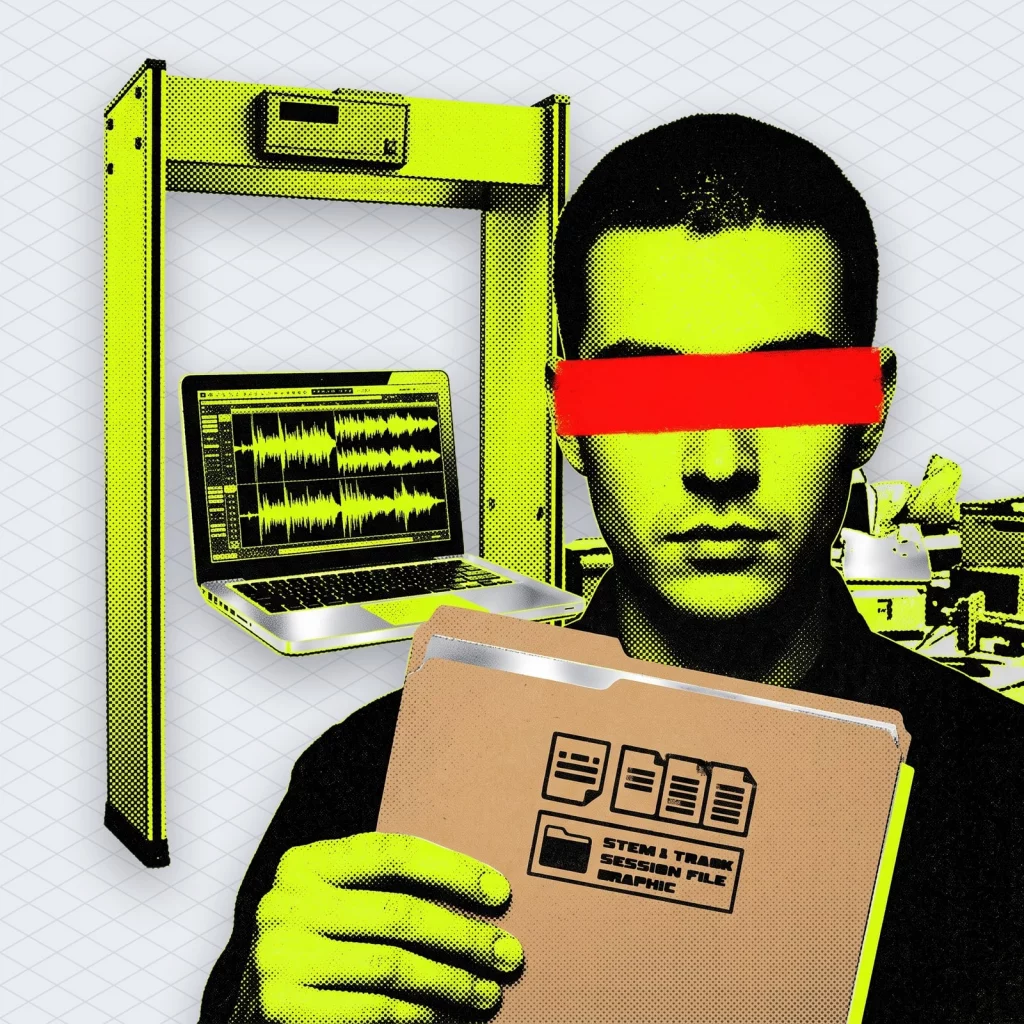
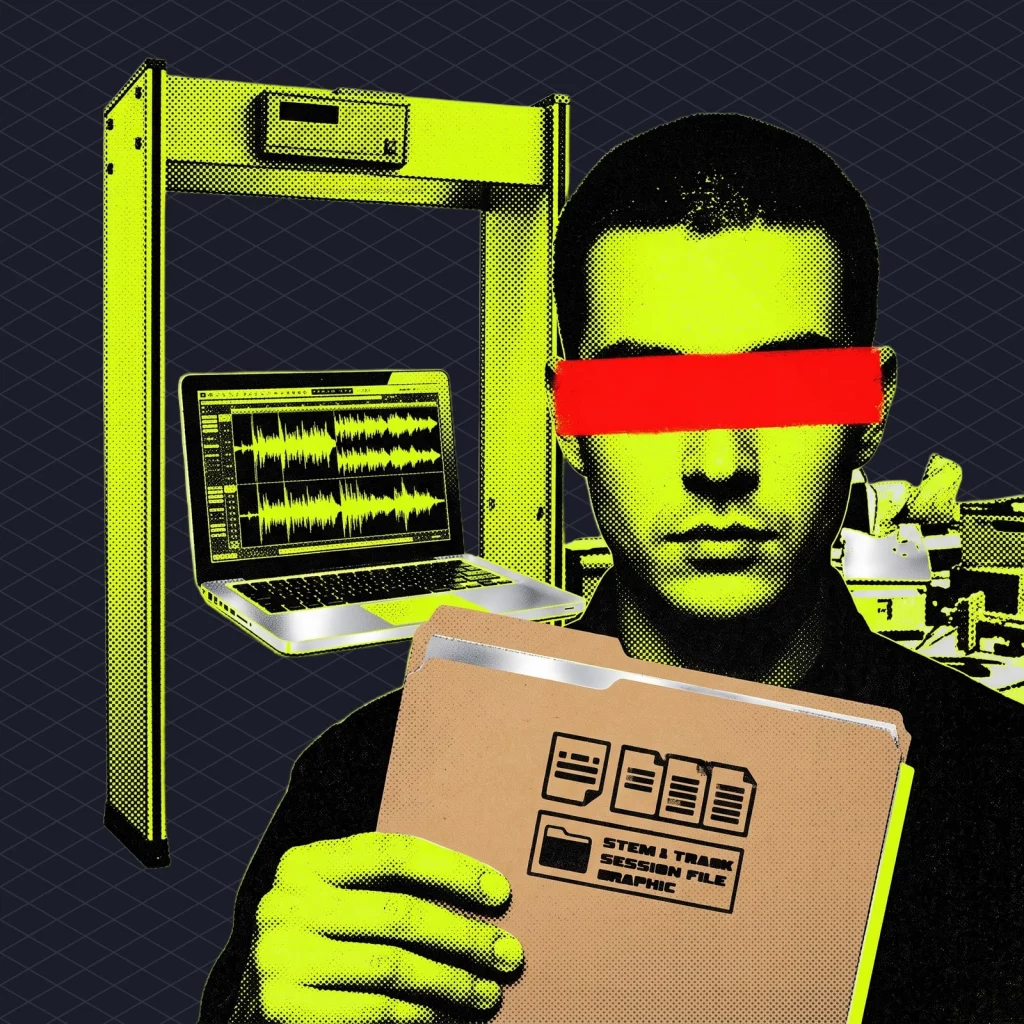
- Keep project files, stems and session notes for every release, since they are the closest thing to proof of a human process you will ever have.
- Stop releasing raw generator output under a dozen made-up artist names.
- When the Deezer AI toggle goes live, turn it on and search for yourself.
That’s the real test. One track a second will still be arriving. But with the AI toggle switched on, someone typing your name on Deezer should find you, not the 4 a.m. script.



 Who we are