


On November 2, Kroger and 17 affiliates asked a federal court to throw out the Kroger Sony lawsuit. Sony accuses the grocer of at least 392 unlicensed uses of its recordings in social media videos. The motion went to the Central District of California, Music Business Worldwide reports. It lists “six independent reasons” for dismissal and leans on the Supreme Court’s March ruling in Cox v. Sony. If a brand pays you to post, one of the six matters most. Kroger says that when an influencer picked the song, any licence fee belonged to the influencer.
The filing opens like a tired teacher handing back an essay. “This motion asks the Court to require what every pleading must supply: who is suing whom, and for what,” it says. Keep that sentence in mind. It comes back at the end.
Kroger’s motion says Sony never said who owns which song
Kroger attacks the Sony lawsuit on vagueness first. Ten plaintiffs, 19 defendants and a 392-row exhibit that names no owner for any recording. “Ten Plaintiffs, pleading as one, accuse nineteen Defendants, also pleaded as one, of infringing hundreds of recordings listed in an exhibit that identifies no owner,” the filing states.
Kroger also went through the rows. By its count, 110 of them cite no sound recording registration. Of those, 59 are marked as pre-1972 recordings and 21 invoke the Berne Convention (the international copyright treaty). Five more list their registrations as pending. So Kroger wants a dismissal or, failing that, an order for Sony to file a “more definite statement”. In plain words: rewrite the complaint so each claim says which label owns which track.
There is a smaller request too. Sony’s complaint lists 50 unnamed “Doe” defendants, placeholders for parties not yet identified. Kroger asks the court to strike 40 of them, because a local rule caps such defendants at 10. Ten Does, maximum.
Every named defendant joined the motion except Vitacost.com, the online retailer Kroger sold to iHerb in January.
Eight defendants say California is the wrong court
Eight Kroger companies argue that California has no personal jurisdiction over them in the Sony lawsuit. Short version: wrong court. Personal jurisdiction is the court’s power to hear claims against a company, and it usually needs the company to do business in the state. The eight include holding company Roundy’s, Inc., North Carolina’s Harris Teeter, and Roundy’s Illinois, which runs Mariano’s. Four Wisconsin companies behind the Metro Market and Pick ‘n Save banners are also on the list.
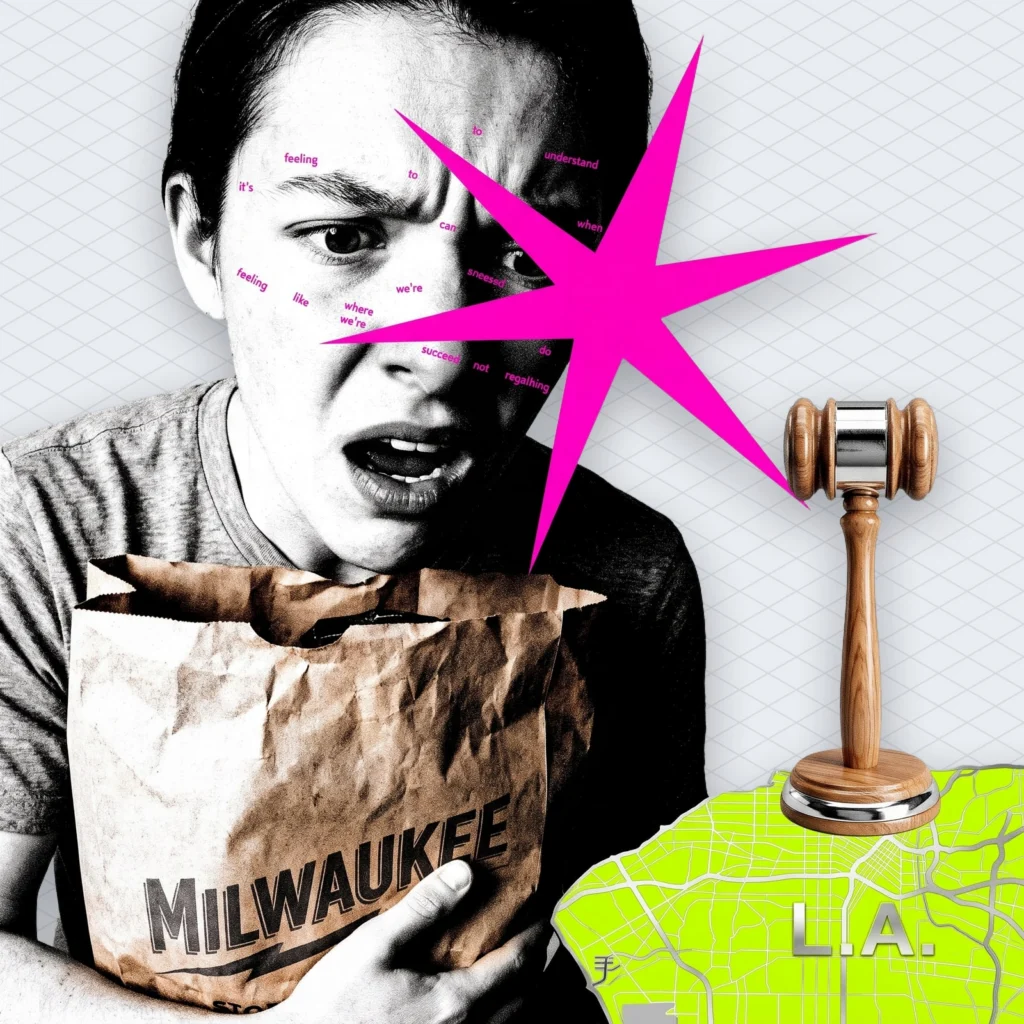
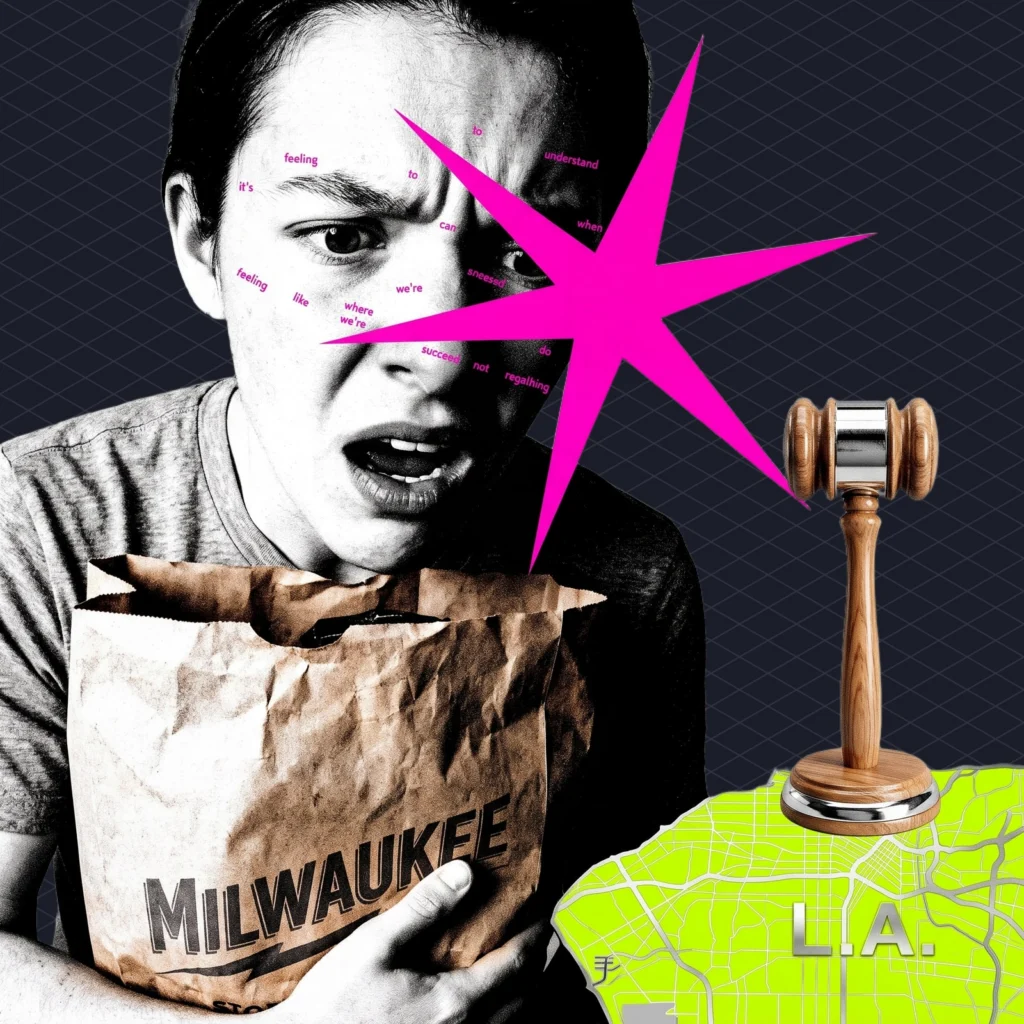
According to the motion, Harris Teeter’s entire alleged infringement “consists of reposting an Instagram Story that the Complaint says was available for twenty-four hours.” Sony had argued that the products are “available for delivery to California consumers” through DoorDash and Instacart. Kroger’s lawyers answered with what may be the driest line of the year: “Same-day and next-day delivery of groceries from a store in Milwaukee or Chicago to Los Angeles would be highly unlikely.”
Then there are the California privacy notices Sony cited. They sit on websites with 24 state-specific disclosures, and “a disclosure that addresses residents of 24 states is not a choice to do business in any one of them,” the filing says.
The eighth defendant is Murray’s LIC LLC, whose New York restaurant closed in September 2024. A closed cheese restaurant is now arguing about where it can be sued for Instagram posts. Anyway.
Sony won half of the same jurisdiction fight against DSW in 2025
Sony has met this argument before, in the same court, and came away with a split result. In its DSW case, Magistrate Judge Jacqueline Chooljian found in November 2025 that Sony had jurisdiction over DSW Shoe Warehouse. She found it lacked jurisdiction over parent Designer Brands and footwear brand Topo Athletic, according to Bloomberg Law as cited by MBW. That case then stopped short of a final ruling, since Sony and DSW told the court in August they had a settlement in principle.
Kroger uses the Cox ruling against the influencer claims in the Sony lawsuit
Kroger relies on Cox v. Sony to attack the contributory infringement claims in the lawsuit. Contributory infringement means being liable for someone else’s copying because you helped it happen. On March 25, 2026, the Supreme Court ruled 9-0 for the internet provider Cox, in an opinion by Justice Clarence Thomas, per SCOTUSblog. Cox neither induced its users’ infringement nor offered a service tailored to it, so it was not contributorily liable.
That gives Kroger an obvious opening. Sony now has to show the grocer encouraged influencers to use unlicensed songs. “It knew this was happening” is no longer enough on its own.
Vicarious liability is the other route. It means being liable because you profit from someone’s infringement and could have stopped it. Sony alleges that influencer posts “save[] the Kroger Parties the cost of a license.” Kroger answers: “But for posts an influencer made on its own initiative, no Defendant would ever have owed a license fee. The fee avoided, if any, was the influencer’s.”
Kroger also goes after a 2020 holiday licence for The Lovin’ Spoonful’s “Do You Believe in Magic”. It ran from November 13 to December 31, 2020, according to MBW’s report on the complaint. Kroger argues any claim started when the licence expired, “more than five years before Plaintiffs filed suit.” That is past the Copyright Act’s three-year limit. Sony saw this coming. Its complaint says it filed within three years of discovering the posts, Digital Music News reported.
What happened so far in the Kroger Sony lawsuit
The dated steps of the Kroger Sony lawsuit, from the complaint, the motion and the press:
- 2017 to 2025: Kroger signs at least 14 advertising licences with Sony, Sony says.
- November 13 to December 31, 2020: the “Do You Believe in Magic” holiday licence runs.
- June 30, 2025: Sony says it notified Kroger of the alleged infringement.
- November 2025: Judge Chooljian splits the jurisdiction question in Sony’s DSW case.
- January 2026: Kroger sells Vitacost.com to iHerb.
- March 25, 2026: the Supreme Court decides Cox v. Sony, 9-0.
- August 12, 2026: the latest allegedly infringing post goes up, per the complaint.
- August 21, 2026: Sony and nine labels file the lawsuit against Kroger, case 2:26-cv-09358.
- November 2, 2026: Kroger and 17 affiliates move to dismiss.
- January 14, 2027: hearing before Judge George H. Wu.
In the Sony lawsuit, Larson LLP and Cushman Partners LLC represent Kroger, while Proskauer Rose LLP represents Sony.
Why the Kroger and Sony lawsuit matters for creators paid to post
If the influencer argument wins, the creator who picked the track can end up holding the risk alone. The Sony lawsuit against Kroger names posts by brand accounts and posts by paid creators. One is a 2022 Home Chef TikTok tagged “#ad” with a $100 discount code. Mariano’s alone accounts for at least 99 videos. Mariah Carey’s “All I Want for Christmas Is You” allegedly shows up at least 12 times, because Sony says Kroger picked recordings “because of their cultural and seasonal associations.”
Kroger’s position is narrower than it sounds. It covers only posts an influencer made “on its own initiative”. Still, if your sponsor’s brief says nothing about music, that phrase is about you.
There is a quieter problem next door. The trending sound in an app’s library is often licensed for personal posts only, not paid partnerships. Premiere Mobile’s label deal has the same gap: 60 seconds of a hit, personal use, nothing more.
Claims are not rare, either. Mubert’s own data, last 28 days: about one in four tracks run through its copyright checker came back with a rights holder’s claim (25.2%, slightly down from 26.3%).
What we think, and what to do before your next sponsored post
We think Kroger has strong paperwork points against the Sony lawsuit, and its influencer argument is uncomfortable. A 392-row spreadsheet with no owner column is a real weakness, and a judge may well order Sony to fix it. But “the fee was the influencer’s” is a grocer with a $1.18 billion ad budget telling a creator with a $100 discount code that the song was their problem. It may be legally sound. It is still a bit rich.
Either way, the January hearing won’t change what a creator should do this week. Get the music clause in writing before you film. Ask the brand who licenses the track, for which platforms and for how long. The “Do You Believe in Magic” claims exist only because a seven-week licence ended and the videos stayed up. Licences expire. Posts don’t. If the brand shrugs, use music you cleared for commercial use yourself, and keep the licence with the post.
Kroger wants Sony to say who is suing whom, and for what. Before you hit publish, make your sponsor say who is paying for the song.


 Who we are


