

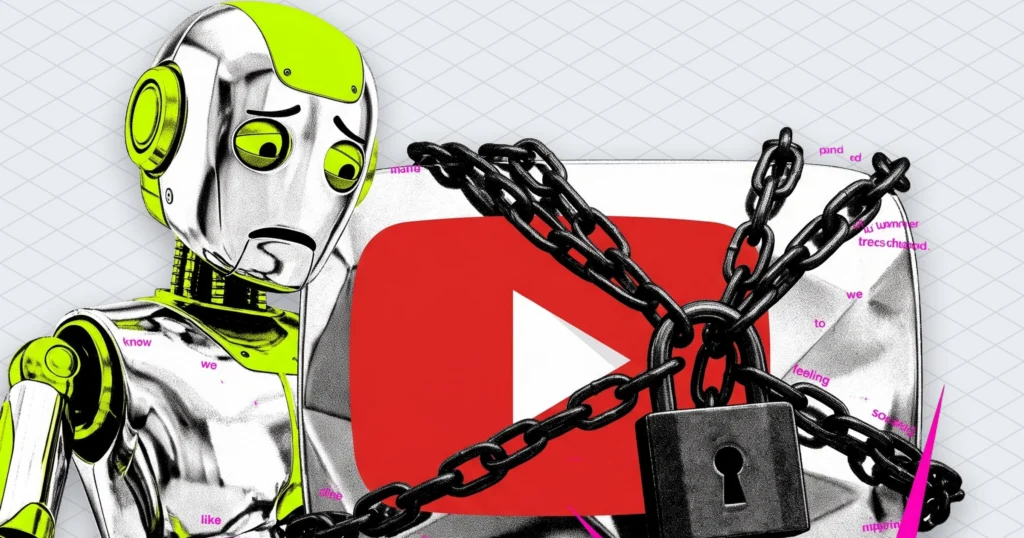
A federal judge in New York has refused to throw out the Runway YouTube lawsuit. That’s the class action accusing AI video company Runway of breaking YouTube’s technical locks to download creators’ videos and train its Gen-3 model. If you upload to YouTube, this is about you. The October 30 ruling says a public video is not automatically free to rip. Below is the full timeline, what the decision does and does not mean, and what creators (musicians too) can do while the case runs.
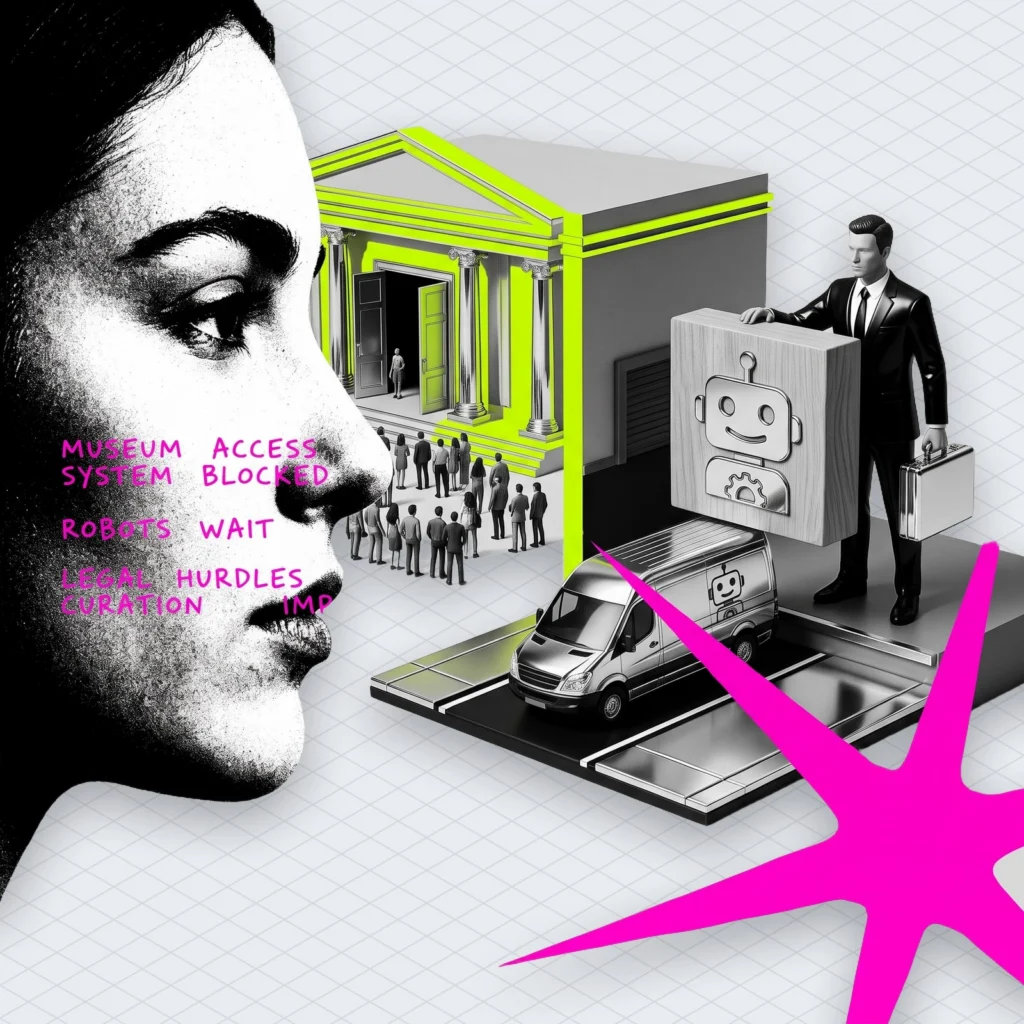
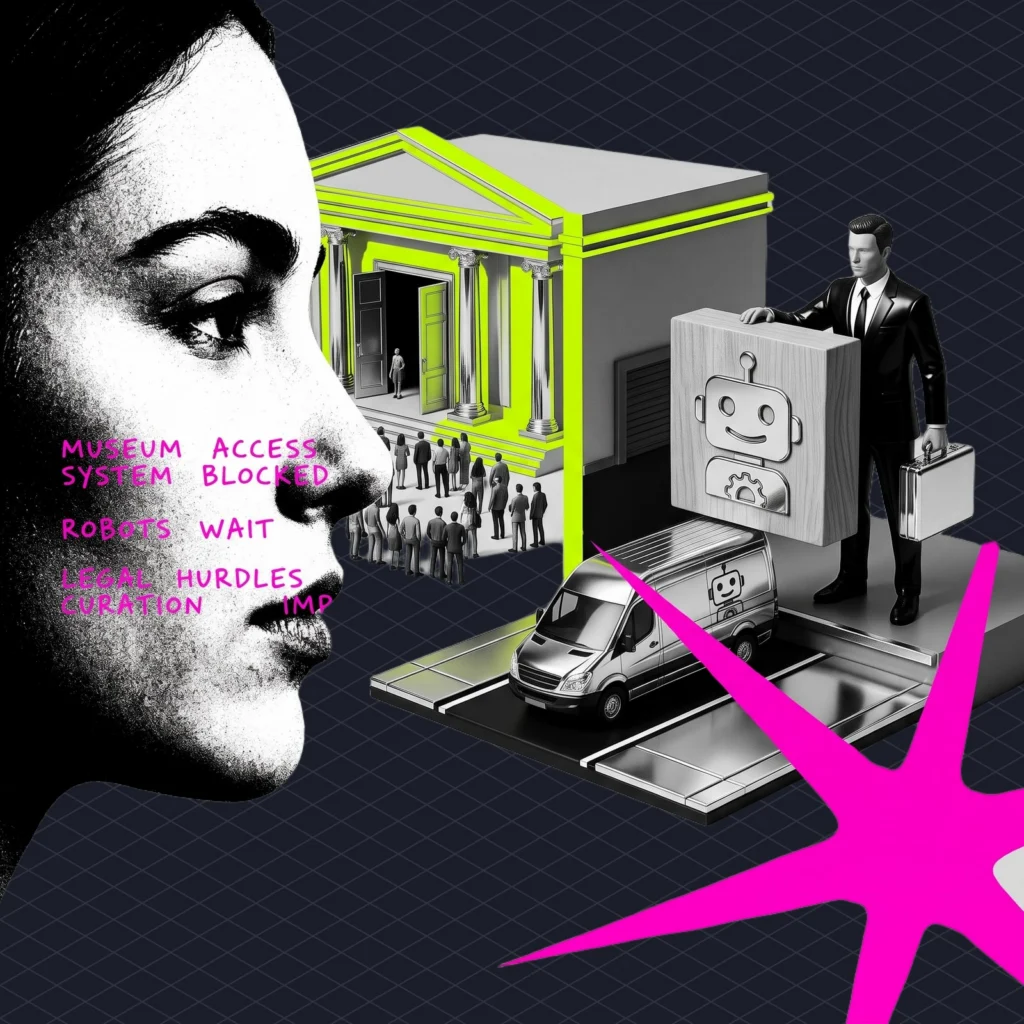
Think of a museum. Public means anyone can walk in and look. It never meant anyone can back a van up to the loading dock.
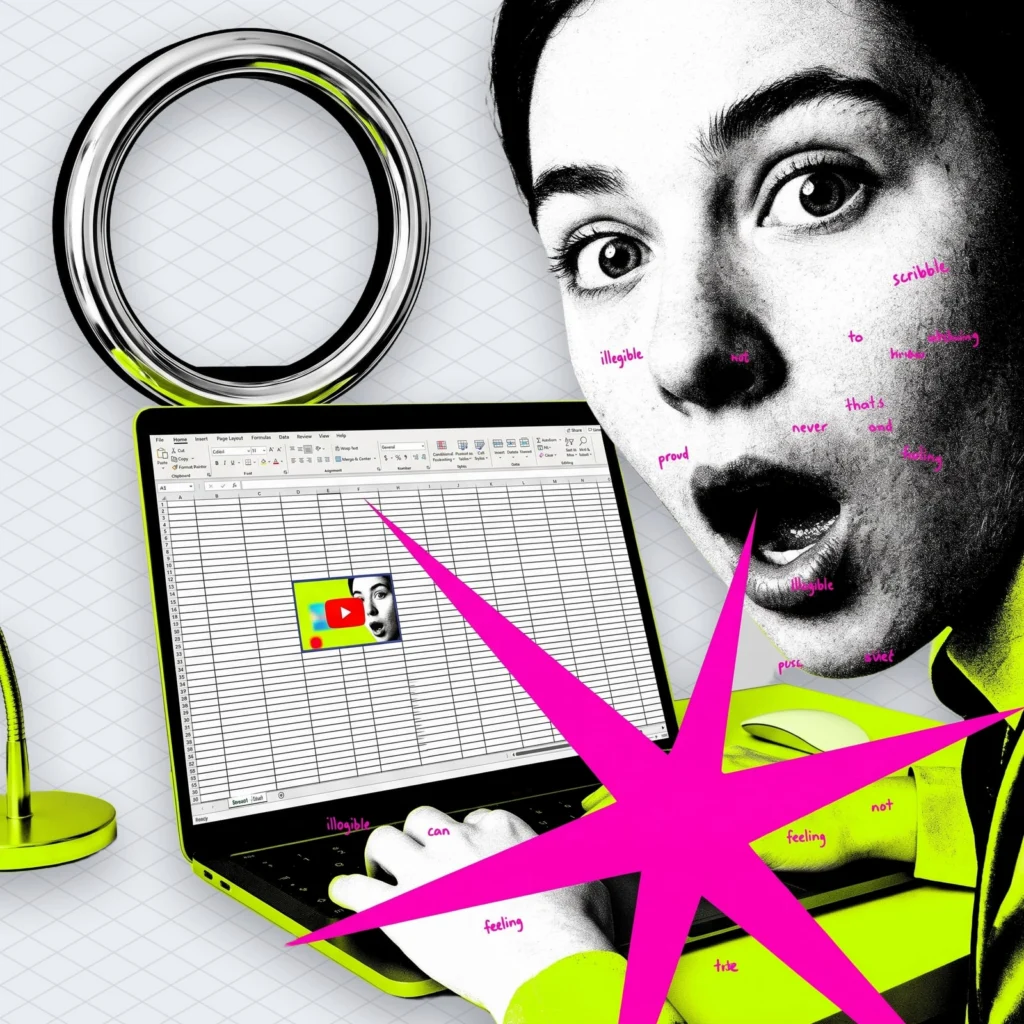
Judge Kaplan kept the Runway YouTube lawsuit alive on October 30
U.S. District Judge Lewis A. Kaplan of the Southern District of New York denied Runway’s motion to dismiss the consolidated complaint in Ace Cam, Inc. v. Runway AI, Inc., No. 1:26-cv-01362. The whole Runway lawsuit over YouTube videos rests on one claim. Not copyright infringement in the usual sense. Section 1201 of the Digital Millennium Copyright Act.
Section 1201 makes it illegal to get around a technical measure that controls access to a copyrighted work. Picking the lock is the offence. Because of that, the creators argue they don’t need their videos registered with the Copyright Office to sue, which matters, since plenty of YouTubers have never registered anything in their lives. Under Section 1203, a court can award $200 to $2,500 per act of circumvention. Those are legal limits. Not a forecast.
None of this means Runway has lost the YouTube lawsuit. It hasn’t been found liable. There is no certified class, no settlement and no claim form. Next, Runway answers the complaint, discovery begins, and the plaintiffs eventually ask the court to certify a class. If someone emails you a claim link for this case this week, the email is lying. Delete it.
What happened so far
The YouTube lawsuits against Runway start with a leak. On July 25, 2024, Engadget, following 404 Media, reported that an internal Runway spreadsheet listed nearly 4,000 YouTube channels, and a second sheet listed 14 links to piracy sites. Runway didn’t respond to Engadget. Then came the filings:
- February 18, 2026: Ace Cam Inc. (Random Golf Club) sues in New York with one Section 1201(a) claim, per the Copyright Alliance.
- Five days later: creator David Vance Gardner files in California, adding state-law claims.
- On February 27: Ali Spagnola’s company files too.
- March 27: the court appoints Tom Kherkher and Gary Klinger as interim co-lead class counsel.
- May 2026: Runway moves to dismiss, and the Norton law firm tracker shows the Gardner case transferred from California and merged into the New York action, which is how lawyers say “one case now”.
- June 9: a third related case joins.
- October 30: Kaplan says no.
The consolidated lawsuit leans on that spreadsheet of Runway’s alleged YouTube sources. It describes about 3,968 channels and more than 100,000 videos. These are still allegations. 404 Media itself said it couldn’t confirm that every video on the list went into training.
Public videos are not unlocked videos
Runway’s defence in the YouTube lawsuit was tidy. Anyone with a browser can watch a YouTube video. So, it argued, YouTube’s anti-download measures are at most copy controls covered by ordinary copyright law, not access controls under Section 1201(a). It also argued that the creators had no authority over those measures, because YouTube built them, not the creators.
Kaplan said no to both. “The public nature of content that has been uploaded to YouTube does not render it unprotected,” he wrote. He called scrambling and encryption “examples of access controls, not an exhaustive list”. He also found that creators don’t have to deploy the locks themselves, since they plausibly authorised YouTube to do it when they uploaded.
The complaint lists five such locks. There’s a rolling cipher that keeps back a usable file address until a scrambled signature is solved. Then there are IP blocks and rate limits, session-bound links that expire, CAPTCHA challenges for automated traffic, and proof-of-origin tokens that check a request really comes from YouTube’s own player. It’s the security setup of a nightclub that also wants to see your passport, your ticket and your mum.
We’ll confess that we’ve watched a downloader tool stop working on a random Tuesday and spent an afternoon blaming our own Wi-Fi. That was probably the cipher. Anyway.
One caveat applies. Kaplan relied partly on Yout v. RIAA, a 2022 Connecticut decision now on appeal at the Second Circuit. That appeals court covers New York, so its answer could reshape this case, and Runway is free to make the same arguments again later on.
Why the Runway YouTube lawsuit matters for music
The Runway YouTube lawsuit is about video, but the legal theory came from music. Record labels used the same stream-ripping argument against Uncharted Labs, the company behind Udio. Same New York court, too. The Norton tracker shows the circumvention claims surviving dismissal on April 15, 2026 in the labels’ case and on May 21 in an artists’ class action. In Massachusetts, a DMCA claim against Suno survived on August 20. We covered what labels say went into Suno in the 60,202-track list behind the BTS and Psy story.
Same story elsewhere. Motions to dismiss failed for Snap on August 19, ByteDance on October 2 and Apple on October 9. Nvidia and Meta: still waiting. In the ByteDance case, Loeb’s summary says the court accepted that “even watching a video on YouTube” requires passing technical measures. The court didn’t decide whether training AI on the videos is infringement.
That’s the pattern. Courts are skipping the giant fair-use question and asking a smaller one: how did you get the file? A YouTube video is also an audio file. Your voiceover, your score and the band in your concert clip all sit behind the same locks.
What we think
The ruling in the YouTube lawsuit against Runway is good news for creators, with an asterisk. Fair-use fights over AI training take years and end up arguing about what learning even is, as the Anthropic lyrics case still arguing fair use shows. Section 1201 is simpler. Was there a lock, and did someone pick it? Six courts have now let that question go forward.
The asterisk: pleading-stage wins are cheap. At this stage the judge has to assume the allegations are true, so the real test comes in discovery, when Runway has to show what was actually downloaded, from where and with which tools. The spreadsheet could turn out to be a wish list rather than a training set.
Or not.
There’s also a boring alternative to picking locks: ask first, then pay. That’s how our own artist platform works. Musicians upload loops and samples, the platform generates from them, and the contributor gets paid. It’s less exciting than a rolling cipher. It also isn’t a lawsuit.
What creators can do while the Runway YouTube lawsuit runs
You don’t have to do anything to stay in a possible future class. Still, a little housekeeping now will save you a panic later:
- Ignore anyone asking for money to “join” the Runway YouTube lawsuit, because there’s no claim process.
- Back up your originals.
- Write down which music, samples and clips in your videos belong to someone else, because they may count as rights holders too if a class is ever defined.
- Follow the docket: Snap’s case management conference is November 6 and Meta’s is November 17.
- Read the training-data clause of any AI tool before you upload your own stems or voice to it.
Rights holders already watch what’s in your videos very closely. In Mubert’s own data from the last 28 days, about one in four tracks run through our copyright checker came back with a rights holder’s claim (25.5%, down slightly from 26.8%).
The museum is still open to everyone. As of October 30, a judge is standing at the loading dock asking to see the paperwork.
 Who we are


