


The Spotify AI remix service now has a target date. According to the Financial Times, as reported by Reuters on October 30, Spotify wants it live in the first quarter of 2027. Paying subscribers would use AI to make new versions of licensed songs. The original artists get the royalties. Plays also count toward the original song in Spotify’s charts. Below you’ll find what’s confirmed, what’s only reported, and what it changes for musicians and for anyone who puts music in videos.


The Spotify AI remix plan, as the FT reported it
The FT cites people familiar with the plans. Spotify didn’t comment. According to Reuters, the launch is aimed at Q1 2027, with a possible unveiling around the Grammy Awards in February. Spotify has signed licensing deals for the AI remix feature with Universal Music Group, Merlin (which licenses for independent labels) and the French company Believe. Sony Music and Warner Music are still negotiating.
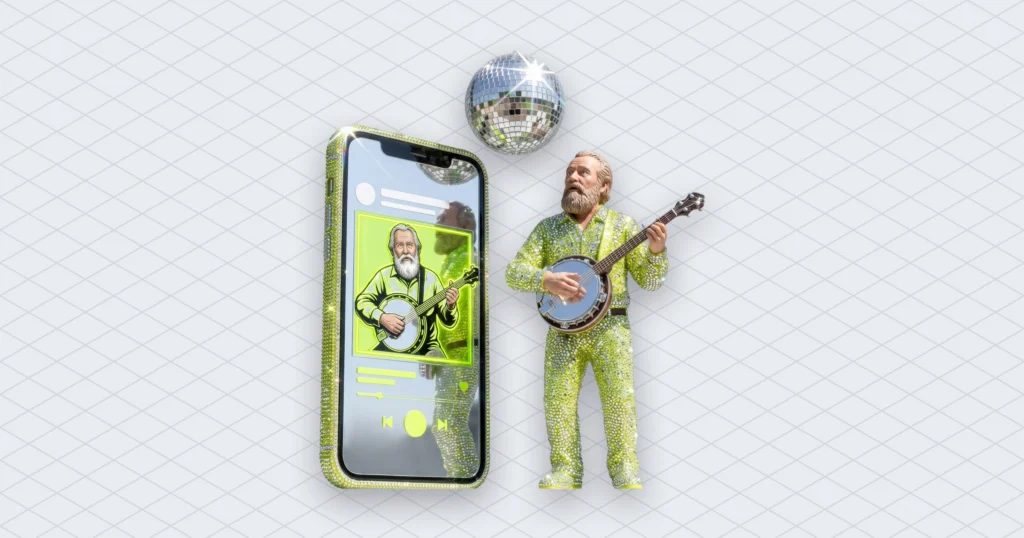
Investing.com’s write-up of the same FT report adds the price. Spotify may charge an extra $4 to $5 a month for the AI remix add-on, although neither the price nor the timeline is final. It gives examples too. Turn a folk song into a dance track. Or make one artist appear to perform another artist’s song.
Folk into dance is the first example in the story, so somewhere in Stockholm someone has already heard a banjo at 128 BPM. We have too. It stays with you.
Two other details matter more than the banjo. Artists can choose whether to take part, even if their label has signed with Spotify. And today’s major stars have reportedly been harder to get on board than some established older artists.
What happened so far
It started a year before this report:
- 2025-10-16: Spotify announced it would build “artist-first” AI music products with Sony Music Group, Universal Music Group, Warner Music Group, Merlin and Believe. It promised “upfront agreements, not by asking for forgiveness later”, a choice for artists about taking part, and fair pay with transparent credit.
- 2026-05-21: At its Investor Day, Spotify and UMG announced licensing deals for a paid Premium add-on that lets fans make AI covers and remixes of songs by participating artists. Co-CEO Alex Norström said it was “grounded in consent, credit, and compensation.” No price, no launch date.
- 2026-10-30: The FT reported a Q1 2027 target, a possible reveal around the Grammys, an extra $4 to $5 a month, signed deals with UMG, Merlin and Believe, and ongoing talks with Sony and Warner.
Of the five partners Spotify named last October, three have signed. Two haven’t. It’s been a year.
Who gets paid when a fan makes a Spotify AI remix
Under the plan, the royalties from a Spotify AI remix go to the original artist, and its plays count toward the original song in the charts. So the remix doesn’t compete with the track it came from. It adds to it, like a fan club that pays rent.
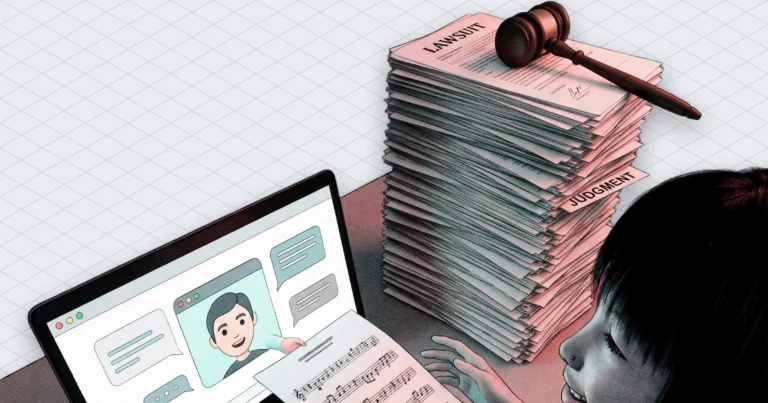
Compare that with fan remixes today. An unlicensed one gets uploaded, takes off for a weekend, then gets a takedown notice. Nobody upstream gets paid. The person who made it gets an email. Spotify’s version runs the other way round, because the label licenses first, the artist opts in, and only then does anyone press the button.
None of the reports say the fan gets paid. You pay the add-on fee, you make the remix, the artist gets the royalties. (Karaoke has always worked like this, only with better lighting.)
Plenty is still unknown. The reports give no split between labels, publishers and performers, and they name no participating artists. They also don’t say whether a remix can leave Spotify for a video, a stream or anywhere else.
Why the Spotify AI remix add-on matters for musicians
The opt-in matters most. When a label signs, it doesn’t hand over its whole roster, since each artist still decides. That matches the “choice in participation” principle Spotify published in 2025. It also explains why stars are reportedly harder to sign than older catalogues. A current hit comes with a brand to protect. A hit from decades ago, on the other hand, can treat a few thousand new remixes a week as free promotion that happens to pay.
The partner list matters too. With Sony and Warner still talking, a large share of the charts can’t be remixed yet. If those talks drag on, the launch becomes a UMG-and-indies service. And Universal clearly wants AI music paid in a particular way: Lucian Grainge used UMG’s Q3 call to argue that AI slop should earn less per stream. A licensed remix that pays the original artist is the opposite of slop. On paper, anyway.
Then there’s the irony. This is the same Spotify that stopped recommending tens of millions of spammy AI tracks. Still, it isn’t a contradiction. Spotify is drawing a line between AI music nobody licensed and AI music somebody did, and the AI remix is the kind it wants to charge for.
What we think about it
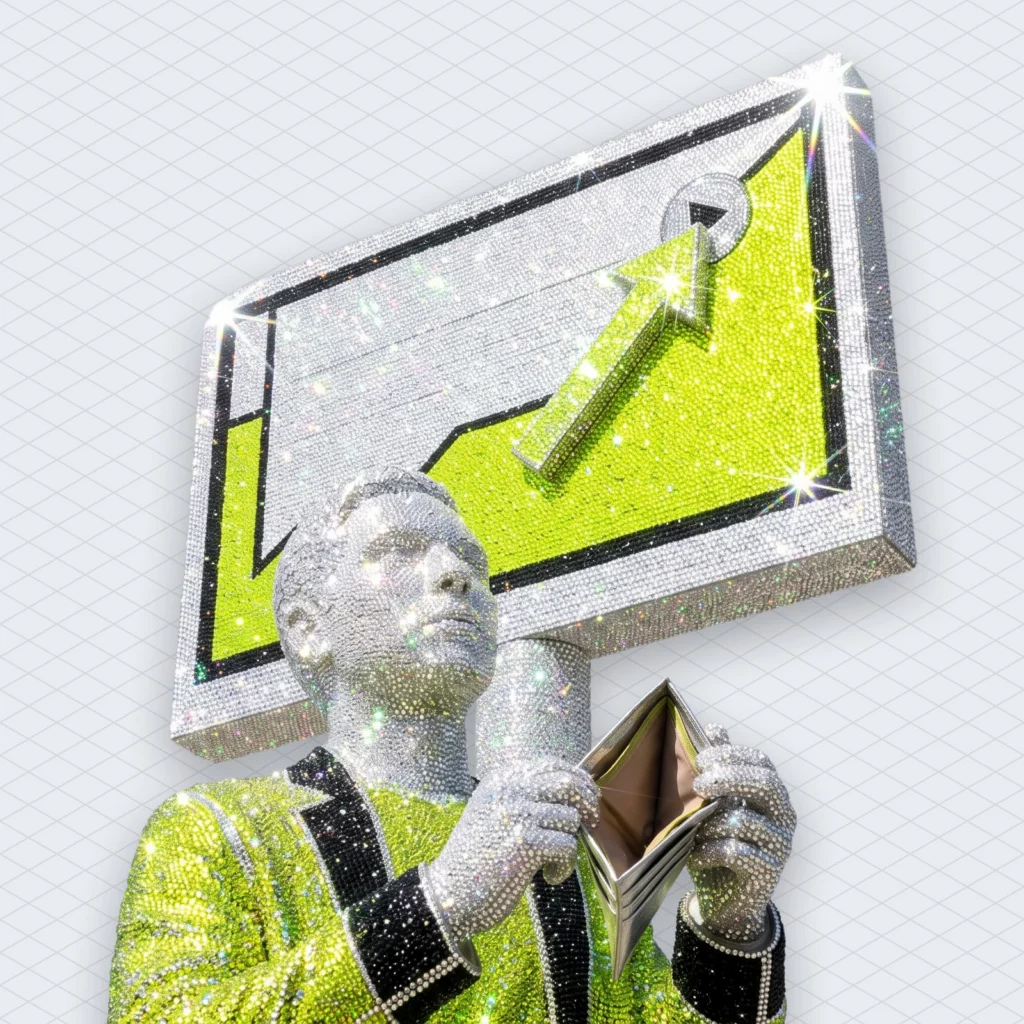
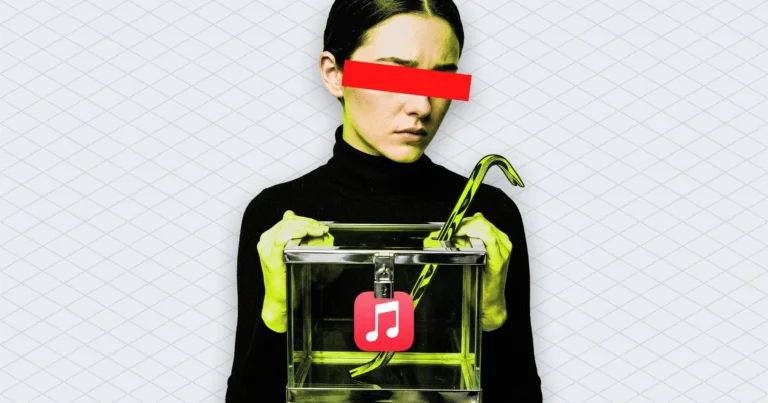
A Spotify AI remix is a remix button inside a walled garden. A well-lawyered one. Licensing comes first, artists get a real choice, and the original song keeps the credit. That’s the right order, and it’s rarer than it should be.
Now a confession. We build generative music from samples that musicians upload and get paid for, so we know how slow and dull the licensing work behind this is. It is the whole job. The AI is the easy part. Three of five partners signed in a year sounds about right to us.
We do have one data point on how people treat a remix button. In our own generator, about 4.2% of generated tracks get a quick remix (Mubert’s own data, last 28 days). Most people take the track as it is. That’s our product and not Spotify’s audience, so read it as a hint rather than a forecast. But a feature with a monthly fee has to become a habit, and the banjo-at-128 novelty wears off by the second listen.
Anyway. For most of our readers the question is simpler.
What to do before the remix feature launches
If you’re a musician on UMG, a Merlin member label or Believe, the opt-in question for Spotify’s AI remix feature will reach you, probably through your label or distributor. Decide now whether a stranger’s dance version of your ballad is something you’d want, given that the royalties come back to you. Then tell your label before someone asks you in a hurry.
If you make videos or streams, don’t count on a Spotify AI remix as background music. Nothing in the reporting covers using one outside Spotify. “A fan made it on Spotify” isn’t a licence for your YouTube upload. If you need a track for a video now, make one that was cleared for that use from the start.
The banjo can stay at its original tempo.


 Who we are


