

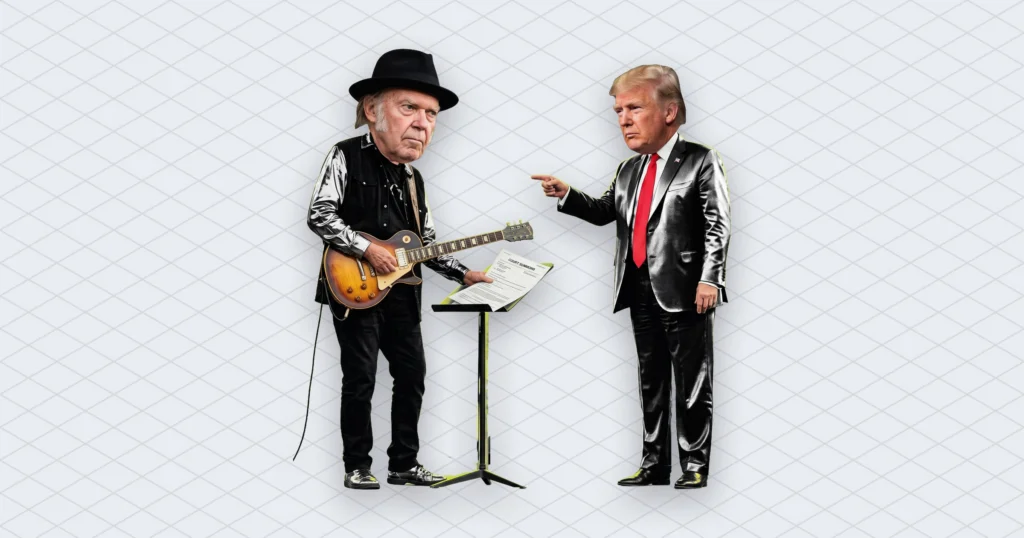
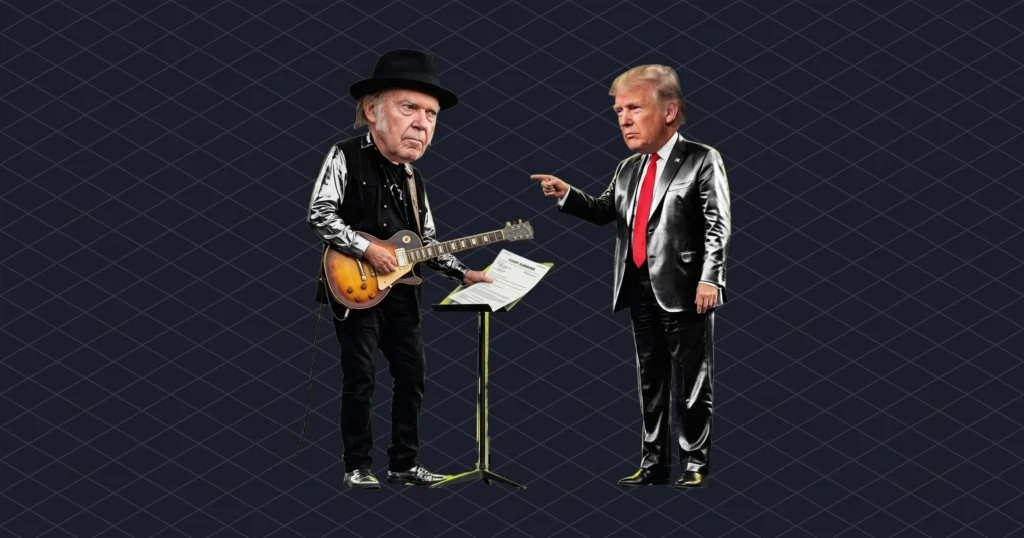
Neil Young has sued Donald Trump’s political operation again. It’s the same song as last time, six years later. The Neil Young Trump lawsuit, filed on Monday, October 26, asks for $10 million because “Rockin’ in the Free World” kept playing at midterm rallies after a 2020 settlement. According to the complaint, Trump’s campaign promised in that settlement to stop. If you put other people’s music in videos, streams or live events, this case shows plainly what “no licence” costs. It also shows what a promise is worth when there’s no licence behind it.
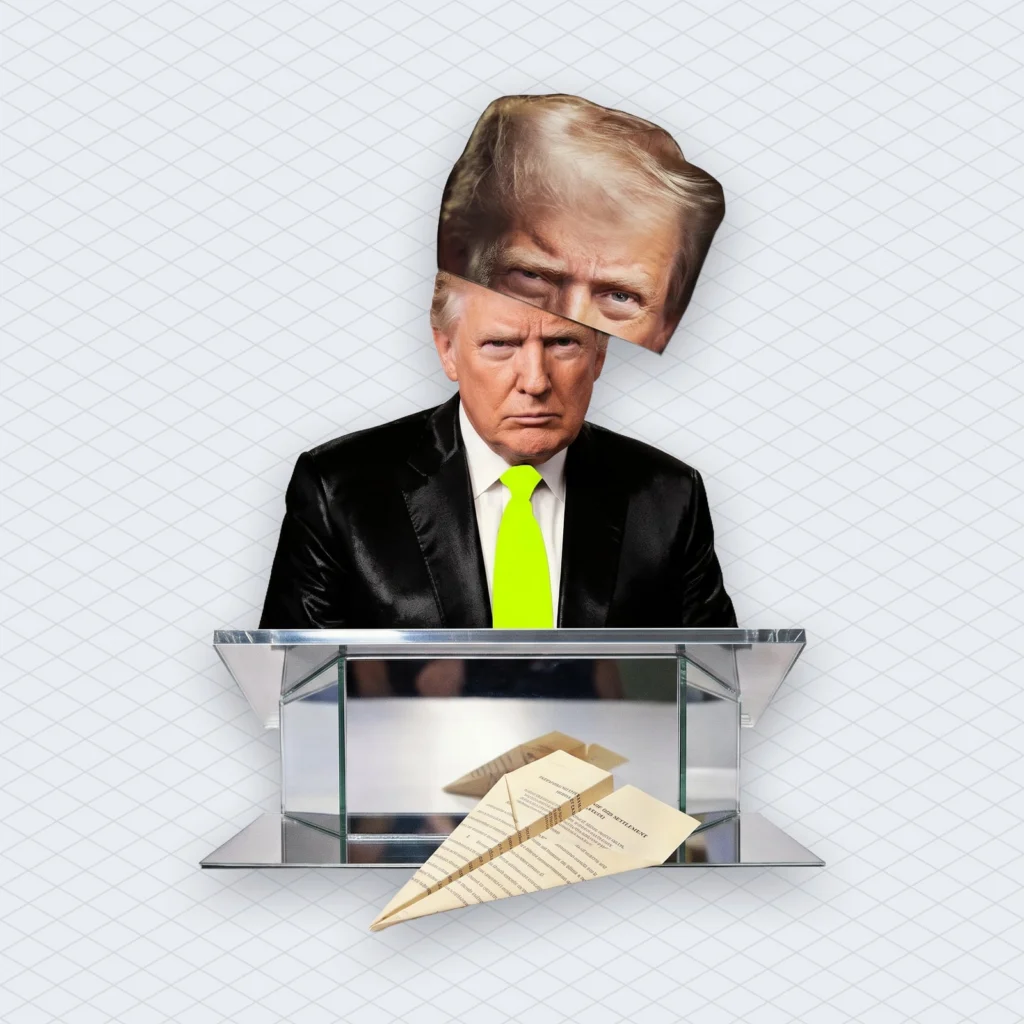
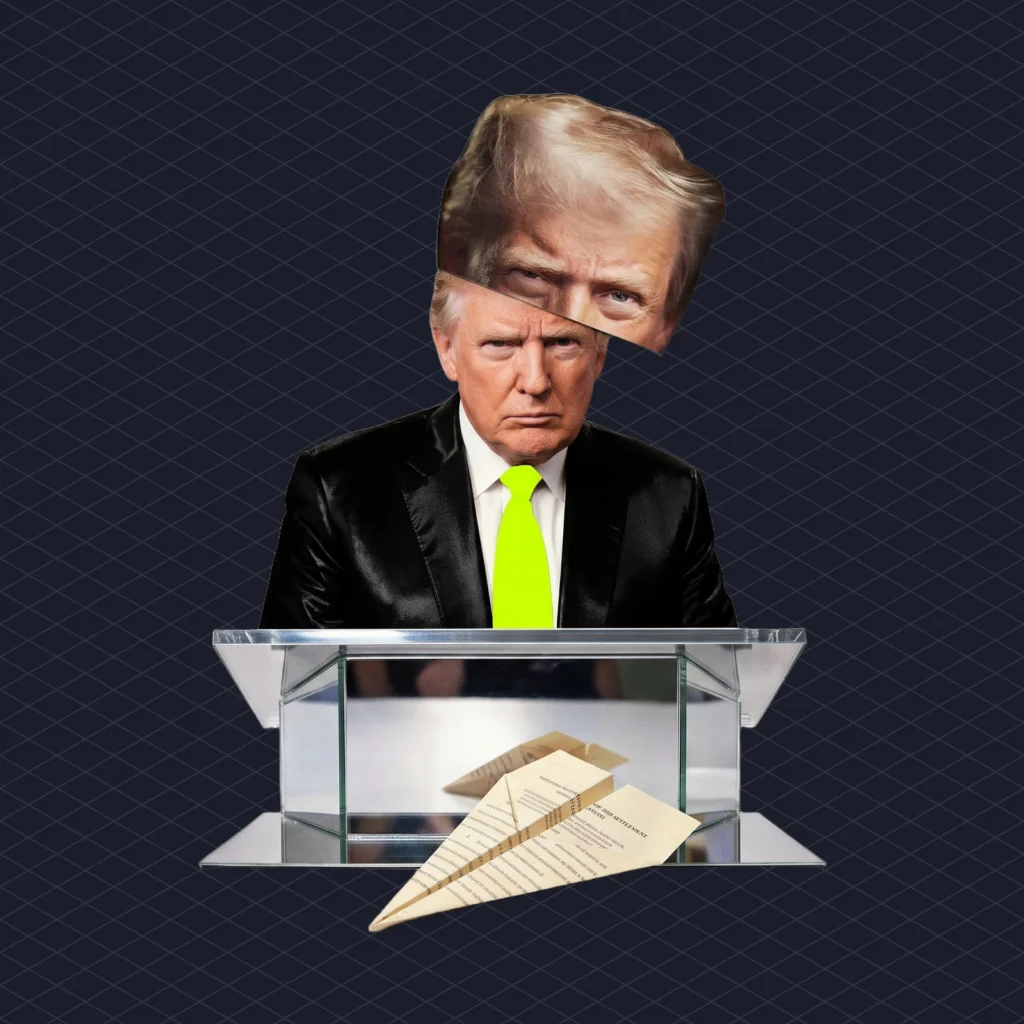
What the new Neil Young Trump lawsuit asks for
The defendant is Trump 47 Committee Inc., the president’s political committee. It isn’t the president personally. Neil Young filed this lawsuit against Trump’s committee in the U.S. District Court for the Eastern District of Virginia, Variety reports. The complaint names one rally: Youngstown, Ohio, on October 12. It also says the recording played “numerous times at other rallies” meant to bring out Republican voters.
Young wants two things. First, $10 million in damages for the use so far. Second, an injunction (a court order) against playing the song for political purposes again. Consequence notes that a defendant usually has 21 days after formal service to answer, that no hearing date is set yet, and neither outlet reports any response from the committee so far.
The key sentence in Neil Young’s lawsuit against Trump isn’t about money. The complaint says Trump “is now and at the time of all rallies this year was personally aware that a license would be required to play the song at rallies” and that Young “has not, and would not, grant the required license.” That moves the story from “someone forgot the paperwork” to “someone knew there wasn’t any paperwork.”
The suit also calls the song “the opposite of everything that Donald J. Trump stands for.” Unusual, for a copyright filing. Copyright law mostly doesn’t care what a song stands for. It cares who owns it. (Young’s lawyers still decided the lyrics deserved a full paragraph.) The complaint also claims damage to Young’s “reputation and brand,” because playing the song suggests he supports Trump.
What happened so far in the Neil Young Trump lawsuit
This fight is older than most YouTube channels. Read it as a Neil Young Trump lawsuit in two parts, with a promise in the middle.
- June 2015: Trump launches his first campaign at Trump Tower to “Rockin’ in the Free World”, Young objects in public, and the campaign says it will stop, per Consequence.
- June 20, 2020: Tulsa, Oklahoma. The song and “Devil’s Sidewalk” play at a Trump rally.
- August 2020: Young and his publishing company, Silver Fiddle Music, sue Donald J. Trump for President in New York federal court, asking for $150,000 in statutory damages per song, Digital Music News reported.
- December 2020: Young drops the case. No reason given.
- October 12, 2026: Youngstown. The song plays before Trump speaks.
- October 26, 2026: Young files the $10 million suit against Trump 47 Committee and cites the 2020 deal.
The new Neil Young Trump lawsuit finally explains that December 2020 dismissal. It says the campaign “asserted no defense and immediately settled shortly after it was served, promising that it would never again use ‘Rockin’ in the Free World’ without a license and permission from Young.” It doesn’t say what else the deal contained, or whether money changed hands.
The defendant has changed, too. In 2020 it was Donald J. Trump for President Inc. In 2026 it’s Trump 47 Committee Inc. So Neil Young’s second Trump lawsuit cites a promise made by a different company from the one being sued. How the court handles that is the first thing we’d watch.
Why a rally needs a music licence
Playing a song at a public event counts as a “public performance” under US copyright law. It needs permission from whoever controls the composition. In practice that usually means a performing rights organisation such as ASCAP or BMI, which sell blanket licences covering millions of songs at once.
Campaigns buy these licences too. According to the ABA Journal, BMI’s political licence lets a songwriter or publisher object and have specific songs removed, and ASCAP reportedly has a similar clause. Some campaigns lean on the venue’s blanket licence instead, a theory that lawyers quoted in the piece say no court has ever tested. ASCAP goes further. It advises campaigns to ask the artist on top of the licence.
So a rally licence works like a vending machine with an off switch for each song. Young says he hit his switch years ago, and in writing. That switch is what the whole Neil Young Trump lawsuit hangs on.
Busy autumn for this song. Consequence reports that Young closed a September show with Willie Nelson on it. Bruce Springsteen, Dave Grohl and Tom Morello also played it together at the Power to the People Festival in October. It may be the only song in America currently booked by both sides of the same argument. Anyway.
What the Neil Young Trump lawsuit means for creators
Most creators will never get sued for $10 million. Still, the mechanics of the Neil Young lawsuit against Trump apply at any size.
The 2020 settlement didn’t give anyone a licence. It gave a promise. When the song came back, Young didn’t need a new argument, only a copy of the old agreement. Same with creators. A claim settled once doesn’t cover your next video. If a rights holder released one upload, or you won one dispute, the next upload starts from zero, and the automated systems will find the song again the same way Young did.
Scope is the other trap. A licence covers a use, not a song in general. The ABA piece notes that a blanket licence for a rally doesn’t cover a TV ad. The same goes for your “I bought it” track, which may cover YouTube but not a client’s paid campaign. We wrote about this earlier: a paid licence isn’t proof on its own, and the gap is usually in the scope, not the payment.
Rights holders are checking all the time. Mubert’s own data, last 28 days: about one in four tracks run through our copyright checker came back with a rights holder’s claim on them (26%, barely down from 26.8%). Those were tracks people already felt unsure enough about to check.
What we think
The interesting part of the Neil Young Trump lawsuit isn’t the politics. It’s the knowledge. A complaint built on “you knew” is aiming at wilful infringement. In US law that raises the statutory damages ceiling to $150,000 per work, under 17 U.S.C. § 504, which is exactly the figure the 2020 suit asked for per song. We don’t know how Neil Young’s lawyers reached $10 million in this Trump lawsuit, and neither complaint explains it. But the strategy is clear. Make ignorance impossible to claim, then charge for it.
It’s also a reminder that “everyone plays this song” is not a licence. Neither is “we’ve played it before.” Or “nobody complained last time,” or “the venue has a licence.” Neil Young has heard every version over eleven years, and his Trump lawsuit count is now two.
What to do before your next upload
- List every track in your current project and write down where each licence came from, with a link or receipt.
- Check the scope: platform, paid ads, client work, live events.
- Keep claim releases, but never treat them as permission for the next upload.
- Check anything doubtful before publishing.
- Replace any track you can’t document with music licensed for this exact use, or a track composed for your project.
A settlement isn’t a licence. The Neil Young Trump lawsuit is the second proof of that, and Young would probably prefer the song had stayed at the Willie Nelson show.
Cover: illustration based on a photo of Neil Young by Billyshiverstick, CC0 and a photo of Donald Trump by Daniel Torok, public domain.
 Who we are


