


The Instagram algorithm isn’t one thing. It’s a committee of ranking systems, one each for Feed, Stories, Explore and Reels, and Instagram has published more about each of them than most creators will ever read. This post is for anyone who posts on Instagram and wants to know why a Reel stalled at 200 views. So we went through Instagram’s own explanations and Meta’s system cards (public pages where Meta lists what each ranker tries to predict). Then we turned them into things you can change this week.

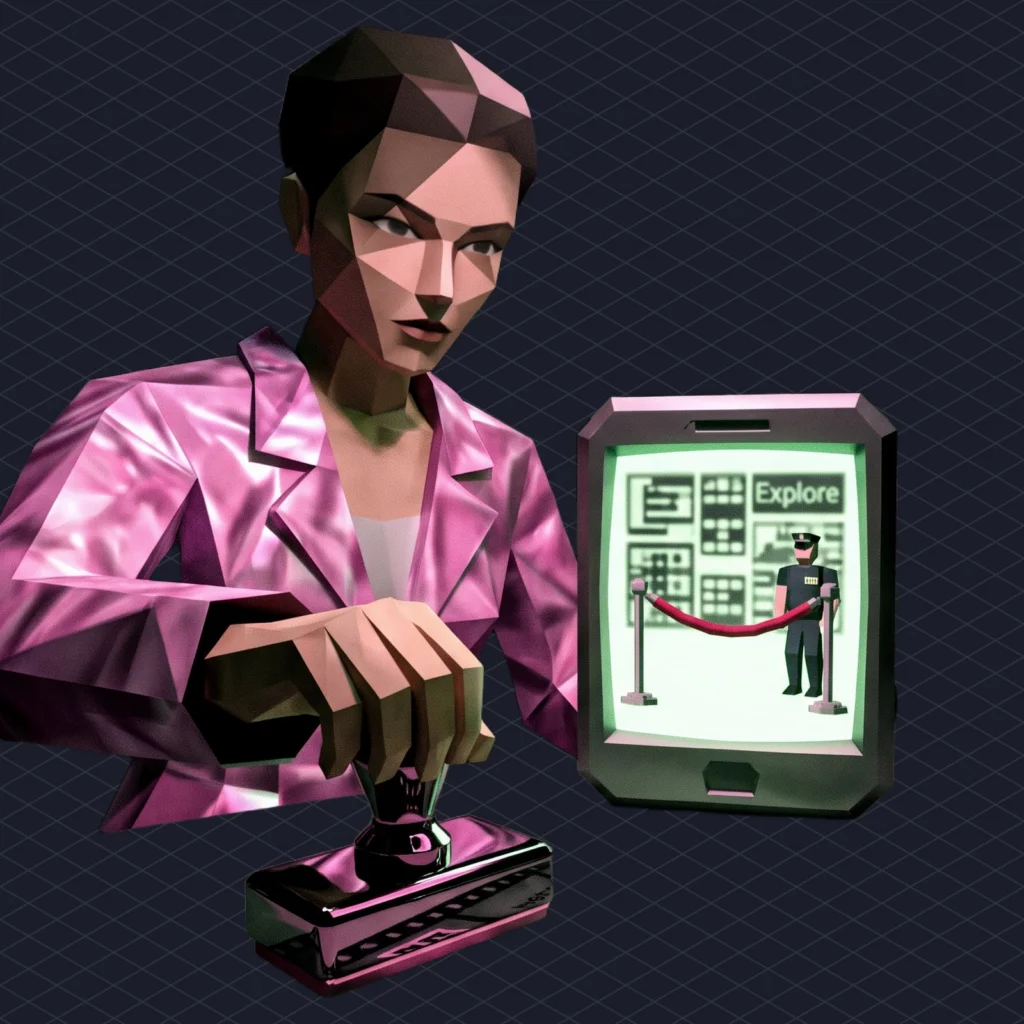
The Instagram algorithm is four rankers that share one interest list
In May 2023 Adam Mosseri, the head of Instagram, published Instagram Ranking Explained. It opens with the point most advice skips: Instagram has no single algorithm. Each part of the app ranks content its own way, because people use each part for something different. Feed and Stories mostly show people you follow. Explore and Reels mostly show strangers the app thinks you will like.
Meta later documented each ranker in its system cards. Every card lists the predictions a system makes (“how likely are you to comment on this”) and the signals behind each prediction. Reading them feels like reading a toaster’s terms of service, written by the toaster’s own engineers. Still, they are the closest thing to a manual for the Instagram algorithm, and they get updated. When we checked, the Feed card was dated June 29, 2026, Explore June 22, 2026, Reels November 11, 2025 and Stories September 18, 2025.
The rankers all work roughly the same way. First they gather candidates. Then they score each one with a stack of predictions, and then they sort. For Reels, Meta says a lightweight model first cuts the pile down to about 100 reels. Integrity checks remove anything that breaks the rules. Only after that does the heavier ranking run.
Since June 2026 the four also share one list of your interests, which you can edit (more on that below). Change it in Explore and Feed follows.
The Instagram Feed algorithm ranks people you follow by what you do next
The Feed card covers “connected content”, meaning posts from accounts you follow. Suggested posts in the same scroll come from a separate system with its own card. So when a follower says “I never see your posts”, the fix sits in the first card. Not the second.
The predictions are oddly specific. Feed estimates how likely you are to swipe through a whole carousel, skip the post or share it in a DM. It also guesses if you’ll spend time on the author’s profile afterwards, or turn the sound on for a video. The first post in your feed even gets its own set: the chance you skip it, the chance you stay on it for more than 10 seconds, and the chance you keep scrolling for the rest of the session. That one post is auditioning for the whole visit.
One signal is the most useful hint in all four cards. The DM-share prediction checks if the post is informative content (Meta’s examples are news, product reviews, tutorials and how-tos) and if it was created in the last 90 days. In plain words, the Instagram algorithm expects a fresh how-to to get sent to a friend. A three-month-old meme, much less so.
Carousels get the same close attention. The card counts how many cards you view and how many times you swipe. If slide two is weaker than slide one, the ranker sees people stop. So put your second-best slide second. Don’t bury it at slide seven.
Stories rank by closeness, which is a polite word for your DMs
Mosseri’s post names three Stories signals: viewing history, engagement history and closeness. He describes closeness as your overall relationship with the author and how likely you are to be friends or family. The Stories card is blunter. It predicts “how likely it is that you and the story’s author are family or good friends” and lists message volume between you as a signal, where privacy law allows it.
The rest of the card is a list of small taps. Will you tap into the story from the top of your home page? Will you reply, send a like, answer a question sticker, vote in a poll or move a slider? Or will you swipe to the next story and leave?
So stickers aren’t decoration. Each one has its own prediction, which gives a viewer one more cheap way to tell the Instagram algorithm they’re paying attention. A poll costs your viewer one tap. A reply costs them a thought, and the card treats replies as a closeness signal too.
One prediction on that card is “how likely you are to save reels effect to camera from a story”. Somewhere at Meta, a person had a quarterly goal about that. We hope they hit it. Anyway.
The practical version: Stories reward people who already talk to you. When your Stories views drop, the cause is usually fewer conversations. A better font won’t bring them back.
The Instagram Explore algorithm finally cares how popular a post is
In Feed and Stories, your relationship with the author does most of the work. Explore is different. Mosseri wrote that information about the post itself (how many people like, comment, share and save it, and how quickly) matters much more in Explore than in Feed or Stories. That makes sense. Explore is built almost entirely from accounts you don’t follow, so the app has no friendship to go on.
The Explore card lists predictions for following the author, viewing a post for more than five seconds, watching more than 95% of a video, liking, commenting, resharing and saving. It also predicts the chance you’ll tap “Not Interested”. The system tries to avoid that one. Several signals are about the crowd rather than you, such as “how many people have watched more than 95% of the video”.
Explore also has a gate before any ranking happens. Recommended content has to follow Instagram’s Recommendation Guidelines. Rules first, maths later. Mosseri’s post says posts that break them may not be shown in recommendations, and accounts that break them repeatedly can lose eligibility for a while, which is the closest thing to a timeout the app officially admits to. You can check your standing in Account Status in your profile settings, and Instagram tells you to look there before you blame a mystery penalty on the algorithm.
Anything shown to strangers gets a stricter test. That one sentence explains most of the “my followers like it but it never spreads” complaints we’ve heard. If your followers save a post but strangers scroll past it, the Instagram algorithm believes the strangers. Your followers are lovely. They are also a sample of people who already agreed to like you.
Reels are judged in the first three seconds
In 2023 Mosseri named the Reels predictions that mattered most: the chance you reshare a reel, watch it to the end, like it, and visit its audio page. The Reels card adds detail. It predicts how likely you are to watch less than three seconds of a reel. Its top signal is how many people watched at least three seconds of it anywhere on Instagram.
Three seconds. That is the whole audition, so for Reels the Instagram algorithm starts with your opening frame, not your caption.
The card also predicts if you’ll use the reel’s audio in your own reel, share it off Instagram, comment, or follow the author. Two of those predictions are about sound. Mosseri’s post also lists muted audio among the things that make a reel less visible. That matters if your track gets muted after a copyright match, because a silent reel loses on two predictions at once and then gets marked down for the silence as well.
We wrote up what Instagram actually counts as a Reel view separately. The number on your screen isn’t a measure of attention.
The Instagram Reels algorithm compares your ending with reels the same length
The completion prediction is cleverer than it sounds. Instagram estimates if you’ll watch more of a reel than 95% of the people who watched reels of the same length. So a 60-second reel competes with other 60-second reels, not with 7-second loops. Length is fine. Padding isn’t, because you’re compared with peers who didn’t pad.
Music written to the exact length of the cut helps with this last-five-percent test. The track doesn’t fade out before the ending you built. It’s a common fix: in Mubert’s own data for the last 28 days, about one in five tracks generated in Mubert Render was re-cut to another duration.
Instagram also gave creators a way to test the Reels algorithm without risking the main feed. Trial Reels, launched in December 2024, are shown to non-followers first. That’s the closest thing to an A/B test the app offers.
Reposts and watermarks lose reach on purpose
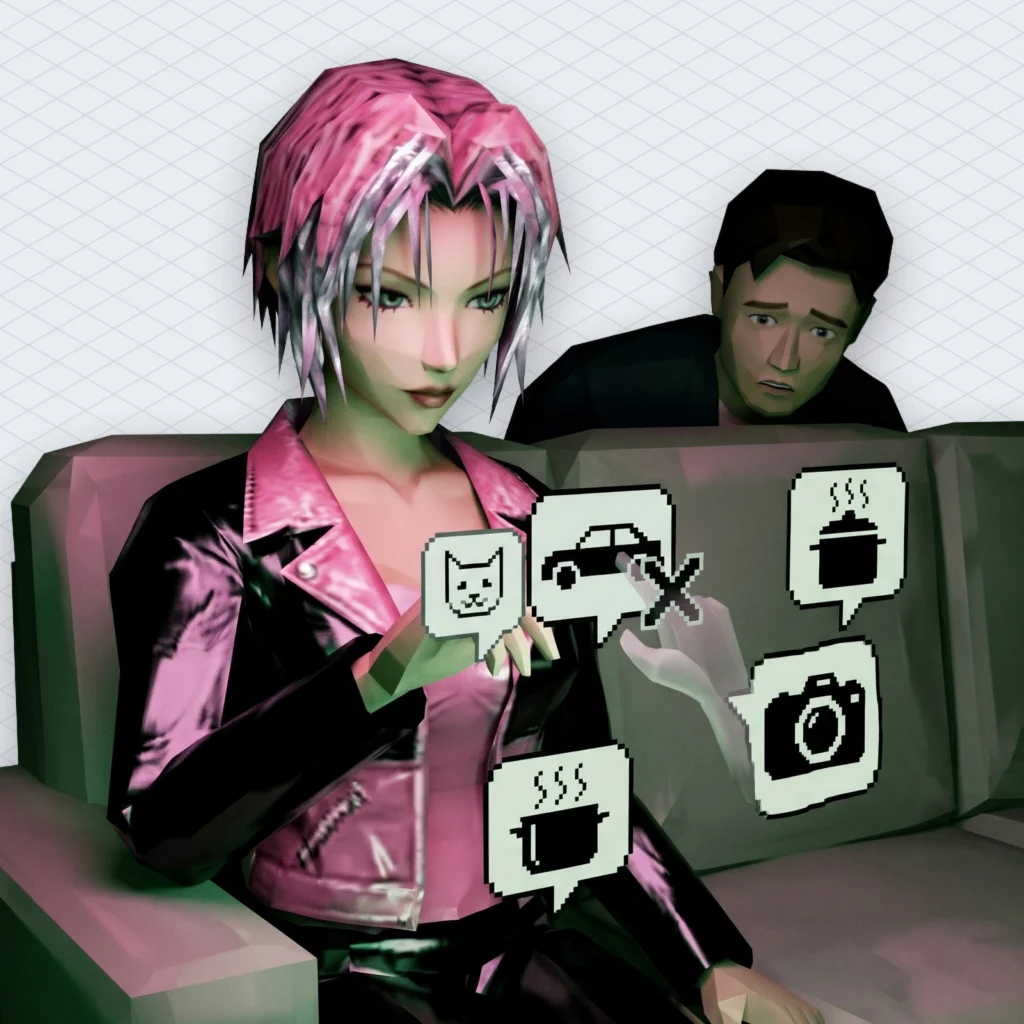
Mosseri’s 2023 post has a short list of things that make a reel less visible: low resolution, watermarks, muted audio, borders, mostly text, and content already posted on Instagram. None of it is hidden. It’s simply the paragraph people skip on the way to the comments.
We have done the lazy cross-post with another app’s logo still in the corner. It went badly. Nobody at Instagram had to punish it personally, because the paperwork had already said so in 2023.
The rule got stricter in 2026. On April 30, Instagram extended its originality rules from Reels to photos and carousels, TechCrunch reported. Accounts that regularly repost content they didn’t make, or mostly share other people’s photos and carousels, are no longer eligible for recommendations across the app. Their followers still see their posts. Strangers don’t.
The definition of original matters more than the penalty. Instagram counts content you made yourself, content that reflects your own perspective, and material you edited in a real way. Meme templates and popular clips are fine if you add something, and Instagram’s own examples include humour, commentary and a relatable take. A watermark doesn’t count. Neither does a speed change. A screenshot of someone else’s post fails too, even with their username credited, as Digital Music News also noted in its coverage.
That leaves a simple test, and the Instagram algorithm runs a version of it on every repost. If the post would look the same with your account name swapped for anyone else’s, Instagram probably agrees with you.
Your Algorithm lets viewers edit the Instagram algorithm themselves
On December 10, 2025, Instagram introduced Your Algorithm, starting with Reels in the US. It’s an AI-written list of your topics, as Instagram sees them. You can ask for more or less of each topic, type in new ones, and share the list to your Story.
The tool spread fast. On April 15, 2026 it reached Explore, worldwide in English. On June 10, 2026 it went live across Feed, Reels and Explore, and an edit in one place now applies everywhere. Recommended Feed posts can also carry a label such as “From Running” that viewers can tap to adjust.
This changes the job for creators, and we think more than the launch posts suggested, because ranking used to guess your topic from behaviour and had only your taps and pauses to go on. Now viewers name topics in words. The Instagram algorithm matches posts to them. So a post that is clearly about one thing has an easier time than a post that is about “vibes”. (Vibes isn’t a topic. We checked our own list.)
The old controls still work too. The Following view shows accounts you follow in reverse chronological order. “Not interested” still reduces similar content. Viewers have more steering than ever, so a vague account has fewer places to hide.
One signal shows up in every Instagram ranker: a person who sends it on
Line the four cards up and one prediction keeps appearing. Feed predicts DM shares. Stories predicts replies. Explore predicts reshares, and Reels predicts shares on and off Instagram. Different rooms, same question: will this viewer show it to someone else?
That is the part of the Instagram algorithm you can actually design for. Likes are cheap. Everyone hands them out. A send costs the viewer a decision, because they put their own name next to yours in a friend’s inbox. So the posts that travel tend to be useful (a tutorial, a fix, a list someone needs later) or precise enough that a friend feels described.
Write the caption as if it’s the message the viewer will forward. If it would look strange in a DM, it probably won’t get there.
Shadowbans and the Instagram algorithm: what the cards leave out
Mosseri addressed shadowbans directly. He wrote that the word has no single shared definition and that Instagram doesn’t aim to limit content without telling you. He also wrote: “we don’t suppress content to encourage people to buy ads.” His suggested fix is boring. It is also correct. Open Account Status, see if your account can be recommended, and appeal decisions you think are wrong.
It’s just as useful to see what the cards leave out. None of the predictions we read is about hashtag count or the hour you post. They’re about people: will this viewer stop, finish, send, follow, reply. Nothing else. Posting time still matters a little, because it decides who is awake to do those things, and the rule from our look at two TikTok posting-time studies that disagree holds here as well: your own analytics beat anyone’s chart.
Keep in mind that the cards are a summary, not source code. Meta lists the most significant predictions and a few signals for each, some of those signals depend on privacy law, and the pages keep changing, as the different dates on each card show. So treat any guru selling the full Instagram algorithm “secret” the way you’d treat a man selling the recipe for air.
The rest of the advice comes straight from the cards.
A checklist for the Instagram algorithm this week
- Check your Account Status.
- Cut the first three seconds of your next Reel so the point lands before a thumb moves.
- Trim every Reel to the length of its content, then set the music to end with the cut.
- Make slide two count.
- Add one poll, question or slider to a Story and reply to every answer.
- Delete watermarks before uploading.
- Post one Trial Reel to non-followers before you change your format.
- Write one fresh how-to post that a viewer would want to send to a friend.
The toaster still has a law degree. At least now you’ve read its terms of service.

 Who we are


