
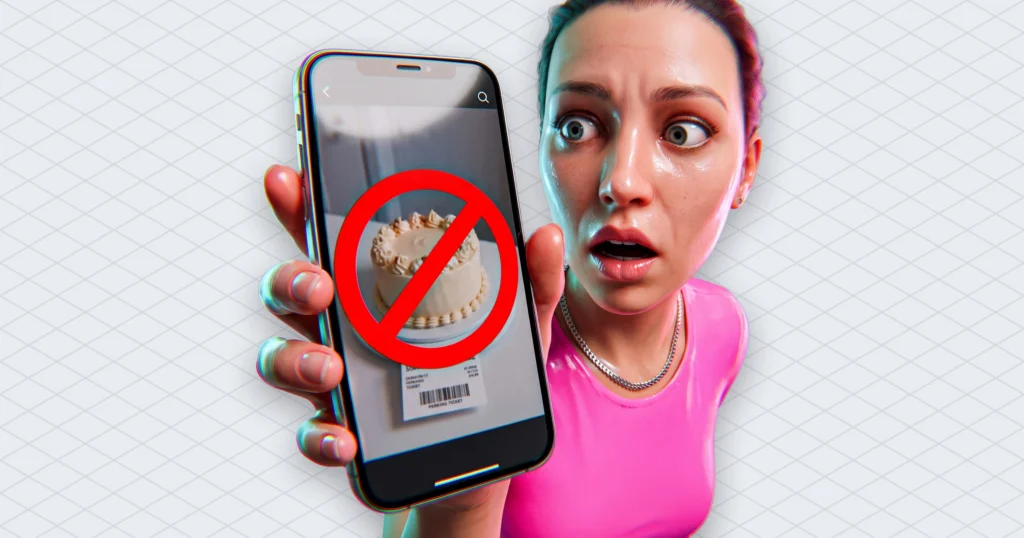
Free music for TikTok on a business account means one shelf: the Commercial Music Library. TikTok’s own help page describes it as 1 million pre-cleared songs. A personal account sees every sound in the app, while a business account sees only that library, which is fine right up until you want the song everybody else in your feed is dancing to. This post is for small brands, shops, agencies and freelancers who need free music for TikTok they can post for work. It covers what the library allows and where its licence ends. Then it covers why licensed videos still go quiet, and where to find tracks whose rights you hold yourself.
We learned the rules the usual way. We switched a test account to Business, opened the sound picker, and the trending song we had saved was gone. It didn’t fail to load. It just wasn’t there, as if the app had read our bio and asked us to leave.
That disappearing act is the rule working as designed.
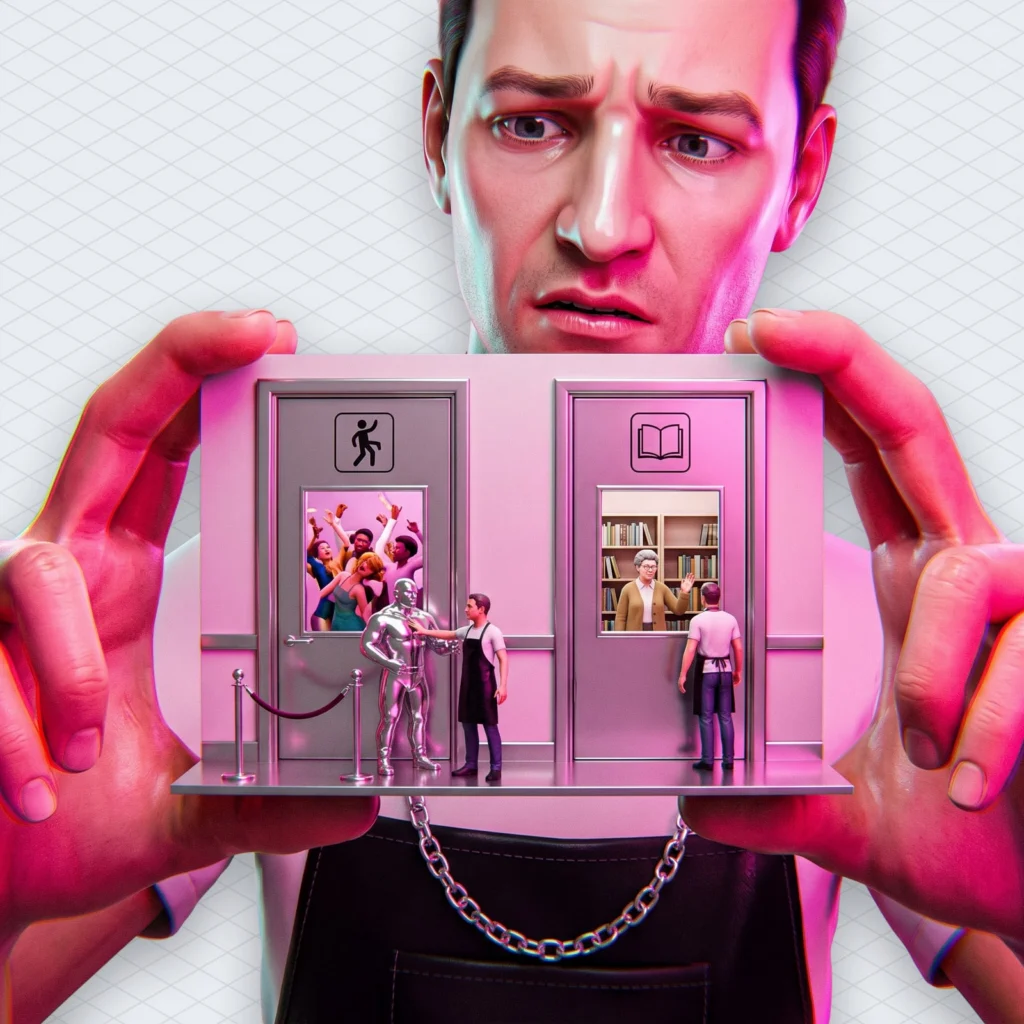
Free music for TikTok depends on which account you post from
On a Business Account, the sound picker shows the Commercial Music Library and nothing else. TikTok’s how-to page says it plainly. When a business taps Add Sound, it will “only see sounds from the Commercial Music Library”. A personal account “will see all sounds”. Personal accounts can still reach the commercial shelf through the Sounds button by picking “Commercial Sounds” from the dropdown.
The general library is where the hits live. It is also the shelf businesses are told to stay away from. TikTok’s help page states that “businesses cannot use the general music library for commercial usage”. Its list of commercial uses: organic content, duets, reacts and stitches with other users’ videos, video ads and branded content.
Read that list again. It is wider than most people expect. When a bakery stitches a cat video, TikTok treats it as commercial activity. Nobody asked the cat.
The TikTok business blog defines commercial content even more broadly, as “any content posted by a brand”. So ads are only part of it. A brand filming a sunset with no product in the frame is still a brand posting. The sunset gets the commercial shelf too.
So the free music for TikTok a business can use sits on a smaller shelf than its customers’ feed.
TikTok’s Commercial Music Library: a million songs, free for businesses
The Commercial Music Library (CML) is TikTok’s pre-cleared catalogue for business use, at 1 million songs. That figure comes from the help page, last updated July 2025. “Pre-cleared” means TikTok has already done the licensing paperwork for use on TikTok, so a business doesn’t have to chase labels, publishers and the cousin of the drummer who co-wrote the bridge. TikTok calls it free for businesses. The songs come from independent and emerging artists as well as production music houses.
You may still see a smaller number quoted. An older post on TikTok’s business blog described “more than 600,000 tracks”. That was after a deal with Anthem Production Group added “more than 350,000 new tracks”. The catalogue has grown since. Both figures come from TikTok, written at different times.
To be fair, the library is decent. Upbeat pop beds, lo-fi loops and trailer-style swells are all in there, but the song currently sitting at number one is not, and that gap is the whole reason this post exists.
Searching the Commercial Music Library: the 10,000-song window, regions and original sounds
Only 10,000 songs show at a time, so search and filters do most of the work. Most of the free music for TikTok businesses sits well beyond the first screen. Three details matter more than the headline number:
- The blog notes that “only 10,000 songs can be displayed at a time”. Browsing alone won’t show you the whole library.
- For advertisers, the region decides which free music TikTok shows. The how-to page says to select the region where a campaign will run first.
- Sounds that other users uploaded are outside the CML. These are “original sounds”: audio a creator recorded or uploaded rather than took from a library. For those, TikTok’s advice is to “consult your legal team”.
That last line is TikTok’s polite way of saying the risk is yours. Most small businesses don’t have a legal team. They have someone called Dana who also runs the till.
In short, this is the free music for TikTok that the platform itself stands behind. Everything else in the app is a gamble for a brand.
A personal account that promotes a business is still a business
Switching back to a personal account doesn’t turn branded posts into personal ones. TikTok’s business blog is blunt about it. Using the general library “through a personal account to promote your business” puts you “at risk of copyright infringement”. The account label changes which sounds appear in the picker. It doesn’t change what the video is.
GEMA, the German collecting society, makes the same point in its guide to private and commercial TikToks. Non-commercial videos are “exclusively for personal entertainment”. If a video is sponsored, “a commercial purpose” may be involved, and even “videos on private TikTok accounts may also have a commercial character”, which rules out the account toggle as a loophole. GEMA adds that the final call always “depends on the individual situation”, which is lawyer for “we’ll find out later”.
The free music in TikTok’s general library was licensed for people posting for fun. Not for a shop posting for sales.
Then there is music that never came from TikTok at all. The Terms of Service say that for any music “not selected from the TikTok music library”, you need the rights yourself. A song from your phone, a friend’s file or a ripped track is entirely on you.
Our guide to TikTok’s business sound picker shows where the commercial shelf hides, menu by menu. The short version is simpler. If the video sells something, assume the business rules apply, whatever the account toggle says.
Free TikTok music stays on TikTok
Music from TikTok’s libraries is licensed for TikTok and nowhere else. The Commercial Music Library terms spell it out. “You may only post or share videos that include Commercial Sounds within TikTok.” And: “Commercial Uses outside of TikTok are not permitted.” The same terms forbid distributing the sounds separately from the videos.
GEMA reads the general library the same way. Its guide says videos with commercial TikTok sounds may be shared only on TikTok. Videos with sounds from the private library may also be shown “on TikTok but not on other platforms”.
Free music for TikTok is exactly that: for TikTok.
That breaks a very common workflow. You cut one video and export it with the TikTok sound baked in. Then the same file goes to Reels and Shorts. On TikTok it’s licensed. On the other two it’s an unlicensed copy of somebody’s recording with your logo on top.
We tried this early on. The TikTok upload was fine. The Reels copy of the same file was not. That is how we learned the licence doesn’t travel in the suitcase.
Instagram has its own split between personal and business accounts, and it doesn’t honour TikTok’s licence. We covered that side in what a Reels business profile loses. YouTube runs its own matching system too. Same file, third set of rules.
If you cross-post, you need music whose licence travels with the file, ideally one you can open, read and save as a PDF before anyone in the company asks where the song came from.
Why licensed sounds on TikTok still go silent
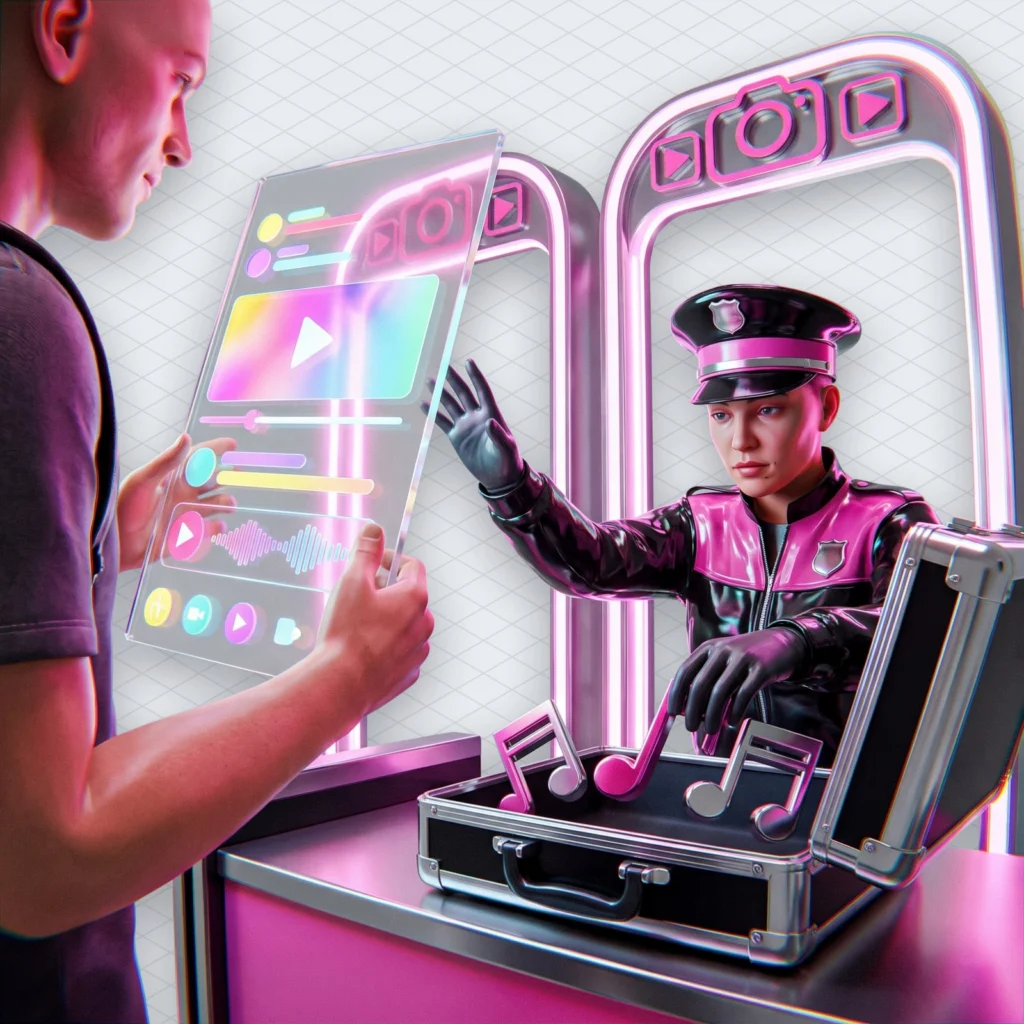
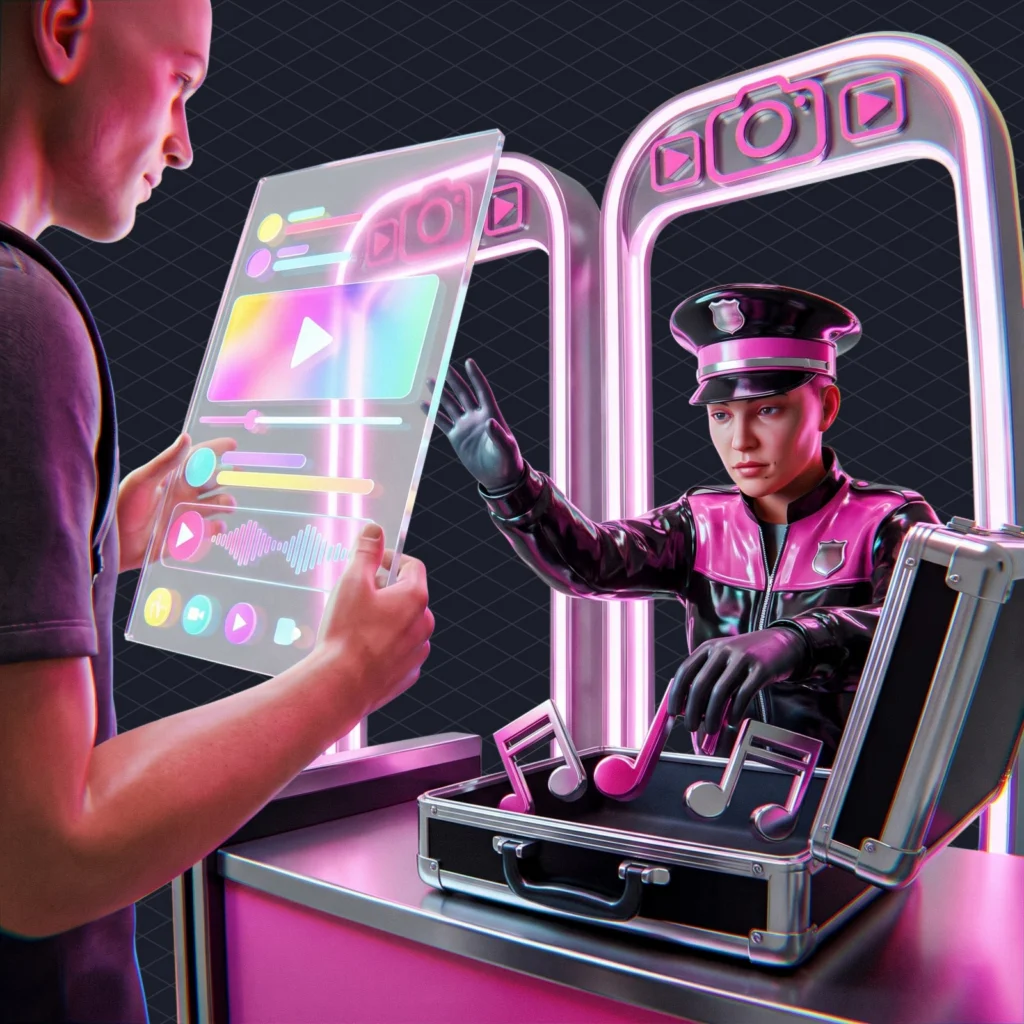
A sound licensed today can be muted tomorrow: in 2024, Universal’s music went quiet on TikTok for about three months. TikTok’s licence is only as good as its deals with rights holders. The CML terms cover what happens if TikTok loses the right to offer a sound. It may remove the videos. Or it may “mute the audio so that the Commercial Sound is no longer audible when the video is played”. TikTok also disclaims liability for doing so.
This has already happened at scale. Universal’s licensing deal with TikTok expired at the end of January 2024. On February 1, Digital Music News reported that TikTok had confirmed it was muting clips with songs owned or co-owned by Universal’s songwriters and artists. Universal said TikTok made up about 1% of its total revenue. Creators felt it more.
The standoff dragged on. In May the two companies announced a new deal. TechCrunch reported that muted videos would be unmuted once the catalogue returned, within a week or two. Then the videos came back. Just a quarter of a year late.
Free music for TikTok is rented, and claims are common
About one in four results from our copyright checker (24.1%) found a rights holder’s claim, according to Mubert’s own data for the last 28 days. That is down slightly from 25.7%. People run that check when they already suspect something. So read it as a warning sign, not a market survey.
Even the free music for TikTok’s business users sits on top of deals the user never sees. Music from the in-app library is rented, and the landlord has landlords of their own.
One creator told Digital Music News that their best-performing videos had no background music at all, just their own voice. That is either a lesson in craft or the bleakest growth hack ever recorded. Anyway.
What to do when a TikTok video loses its sound
The practical fix for a muted video is a new upload with music you control. So keep the raw material ready. Save the edit project and a clean export without the TikTok sound for every post that matters. Then a re-cut takes an afternoon. Not a reshoot.
The free music for TikTok you pull from the in-app library lives on TikTok’s side, not in your project folder. That is convenient right up to the day it vanishes. If the muted clip carried an offer or your best testimonial, re-cut it with a licensed track and repost it.
Skip the tricks. Pitching a song up, speeding it into nightcore or burying it under a voiceover doesn’t change who owns it. The terms quoted above don’t care how clever the edit was. (We have seen all three attempted. None aged well.)
Old posts are the quiet risk. A video from two years ago can lose its sound over a deal that lapsed this week. You may only notice when a customer does.
Where to get free music for TikTok that keeps its sound
The music that stays put is music whose rights you hold or licence directly, under terms that name commercial use and every platform you post to. No guarantees, though. Automated matching makes mistakes, so even a clean track can get flagged, and on that day a licence in your own name is the thing you show instead of an apology.
Here are the realistic sources, roughly from cheapest to most flexible:
- Your own voice and room sound. Talking-head videos, voiceovers and real ambient audio have no third-party rights at all.
- Music you or a friend made, with a short written note saying you may use it commercially on any platform.
- A public domain composition, played by you. The composition can be free while a specific recording of it is not. So record it yourself.
- Free libraries with a written licence. Read it for commercial use, credit lines and platform limits before downloading. We compared several in what free music downloads really allow.
- Generated tracks made for the video.
Be careful with “no copyright” playlists on YouTube sold as free music for TikTok. Many come with conditions buried in the description. Some come with no licence at all. We pulled a few apart in what those background music playlists really are.
Generated tracks fitted to the length of the video
A generated track is composed for your clip. It fits the length and isn’t tied to a trending sound that a label could pull. The last option on the list is the one we work on, so here is the plain version.
Mubert Render composes an original track from a mood, a genre, a tempo or a description of your video. You set the exact length. A 23-second clip gets a 23-second track rather than a three-minute file faded out at the wrong bar. Human artists uploaded the samples it generates from, and they get paid for them. It is cleared for commercial use under the platform licence, and the exact scope depends on the plan, so check the live pricing page for what yours covers.
Length matters more than it sounds. On TikTok, the moment the music lands on the product reveal is half the edit. A track that ends where the video ends saves you a clumsy fade.
Our honest split: keep TikTok’s free music for TikTok-only posts that ride a format. Then use music you control for anything you cross-post, run as an ad later or want to keep for years, because those are exactly the videos a lapsed deal hurts most.
A checklist for free music for TikTok
- Check which account type you post from, then pick sounds by what the video does, not by the toggle.
- Treat every post that promotes your business as commercial, including duets and stitches.
- Keep TikTok’s free music for business posts that will never leave TikTok.
- Read the licence of any free music for TikTok you found outside the app before you post.
- Export cross-posted videos without TikTok sounds, then add a track you licensed yourself for each platform.
- Save the licence or written permission for every track outside the in-app library in one folder.
- Keep a clean export of every important post so a muted video can be re-cut the same day.
- Run any music you didn’t make through a copyright check before you put an ad budget behind it.
Then let the cat back into the video. It still hasn’t been asked, but at least the music is cleared.


 Who we are