




Create Music Group owns a minority stake in DistroKid. DistroKid is the distributor that independent artists pay to get their songs onto Spotify, Apple Music and the other streaming services. Create, a Los Angeles company backed by Flexpoint Ford and Ares, bought into DistroKid earlier this year. Nobody mentioned it until Music Business Worldwide reported it on October 28 and Create’s CEO Jonathan Strauss confirmed it. If you release music yourself, this post covers the whole timeline, what the deal changes for you and what to check this week.
The short version: Create Music Group collects independent record labels, and now it also owns part of DistroKid, where independent records start. Imagine a bakery chain quietly buying shares in a wheat field. The bread tastes the same for now. It’s still worth knowing who owns the field.
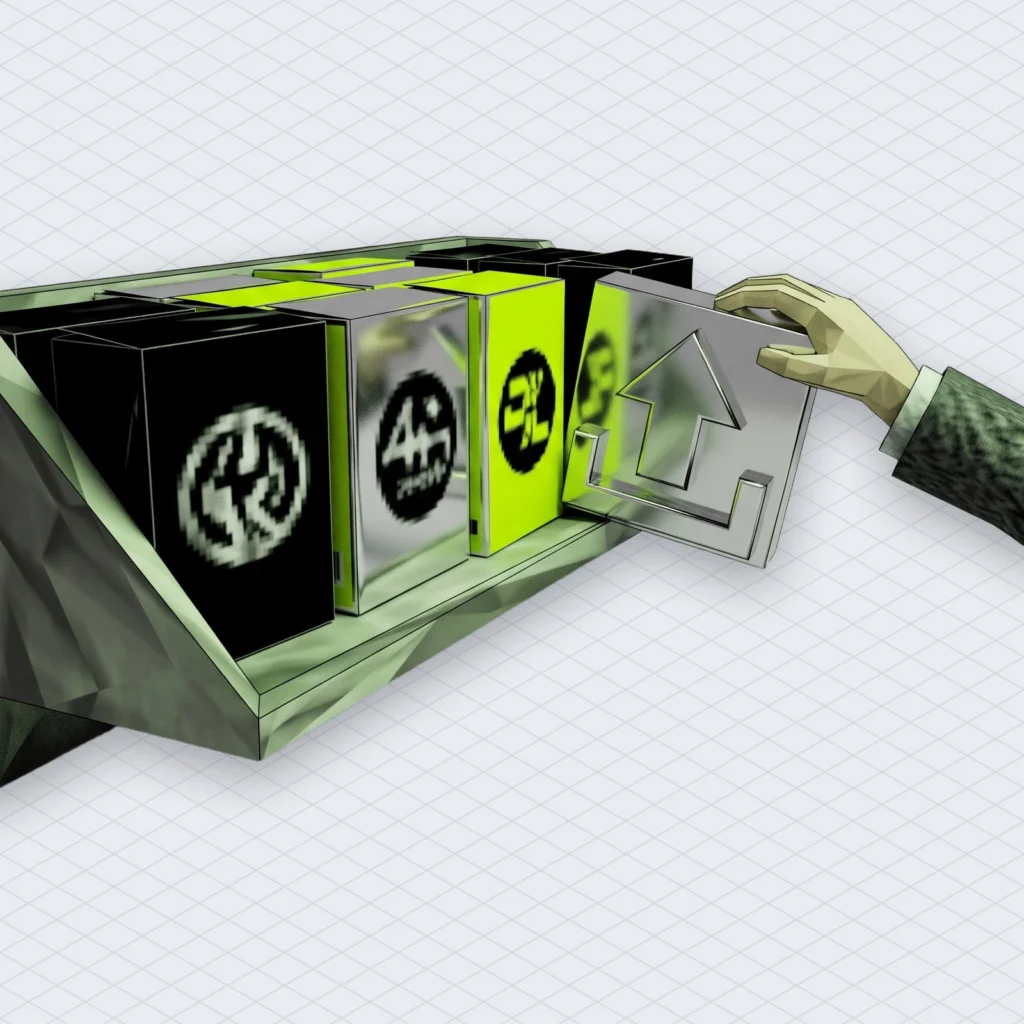
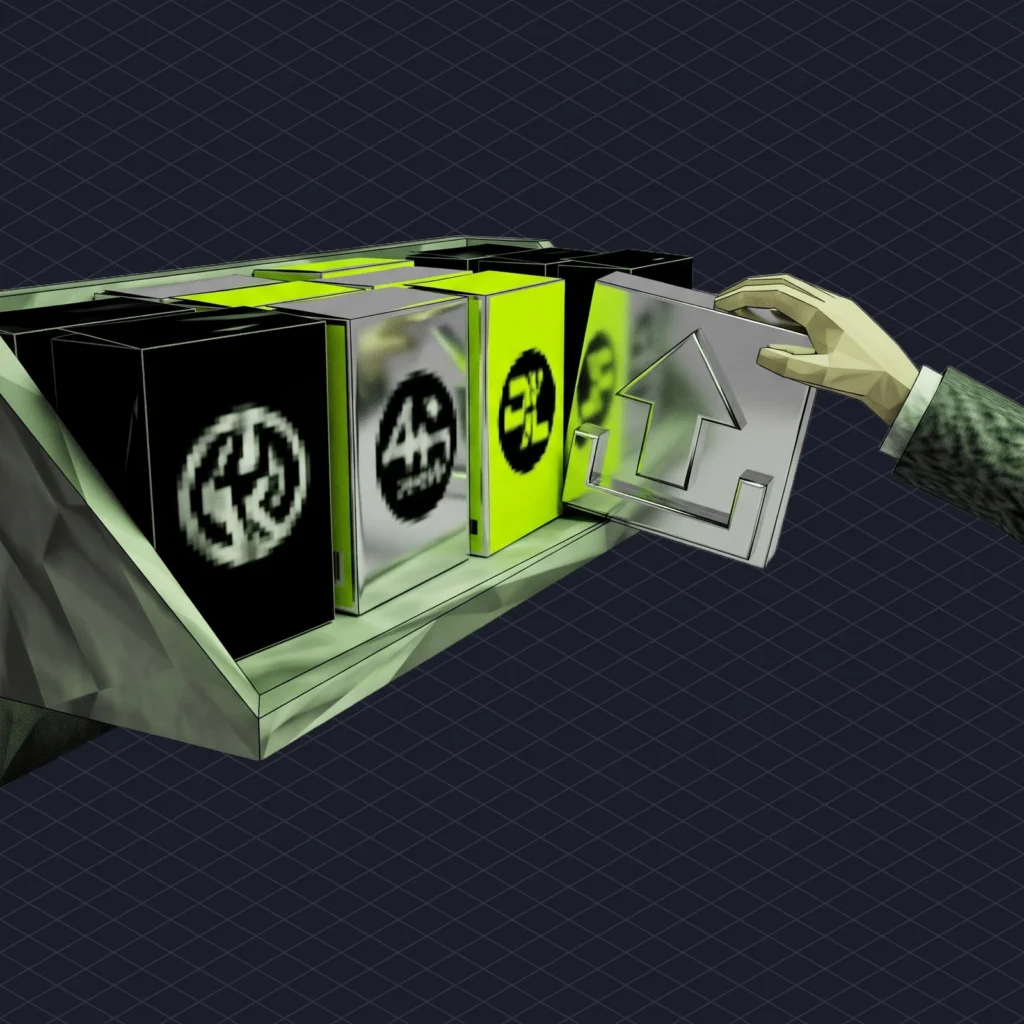
Create Music Group now owns part of DistroKid
The size of Create Music Group’s stake in DistroKid is not public. The price isn’t either. We read every statement looking for a number and found adjectives. Create invested next to CVC Capital Partners, the private equity firm that took a majority stake through its CVC Capital Partners IX fund. Insight Partners, DistroKid’s longtime investor, keeps what CVC called a “significant minority stake”.
So DistroKid now has a majority owner and at least two minority owners. Of those, Create Music Group is the only one that runs a music business itself. That detail is the news.
Strauss told MBW: “Create is home to some of the world’s largest and most storied independent record labels and artists, and DistroKid is where countless artists begin their careers.” He also said Create is “excited to partner with CVC as a minority investor in the company and to support its continued growth.”
That is a polite description of a funnel. Artists start at DistroKid. Some of them grow. Labels like the ones Create owns sign artists who grow. You can finish the thought yourself.
What happened so far
The deal makes more sense laid out in order, so here it is from the beginning.
2013: Philip Kaplan founds DistroKid in New York. October 2018: Spotify buys a passive minority stake in DistroKid. Remember that one. January 2024: Kaplan moves from CEO to Chairman, and Phil Bauer takes over day-to-day leadership. June 2024: Flexpoint Ford leads a $165 million round in Create, valuing it at $1 billion. Hold that number.
January 2026: MBW reports DistroKid is talking to potential buyers, with about $2 billion under discussion. Twice what Create was worth in 2024. February 2026: Create agrees to put more than $300 million into Vancouver’s Nettwerk Music Group, and then in March 2026 it completes a round of more than $450 million in equity and debt at a $2.2 billion valuation. Shopping money.
July 6, 2026: CVC announces its majority investment in DistroKid, and Bauer stays on as President. Earlier in 2026 (the exact date is undisclosed), Create Music Group takes its DistroKid stake alongside the CVC deal. Q3 2026: the CVC deal closes. Quietly.
September 15, 2026: UMG sues DistroKid in Delaware federal court. Not quietly. October 28, 2026: MBW reports Create’s stake, and Strauss confirms it. December 4, 2026: DistroKid’s deadline to respond to UMG’s complaint.
The 2018 entry is the tangent. Spotify owning a piece of a distributor caused a small panic back then, mostly among people who also believed the algorithm could read their texts. Anyway.
Why a label buyer wants a slice of the upload button
Create shops a lot. Since March 2025 it has bought the Berlin label group !K7 Music, the electronic label Monstercat and the UK dance company Cr2, plus the deadmau5 and Mau5trap Records catalogs. After the March round, CFO Will Smith said the money would “support continued acquisitions, strategic investments, technology development and global expansion.” Buying into DistroKid is Create Music Group turning that sentence into a deal.
Then there’s the scale. DistroKid says it distributes roughly 40% of all new music worldwide. Self-reported, not audited. Still, even a generous reading puts DistroKid at the front door of independent music, which is a strange place for a label group to be standing with a key. A minority stake doesn’t give Create Music Group control of the DistroKid door. It does give Create a seat close enough to see who walks through it.
Our honest opinion: this is a bet on where the next catalog comes from, not a takeover. Nothing in the announcements says DistroKid will steer artists toward Create’s labels, change its terms or share data. So we won’t claim any of that. We’ll only point out that the company now has three owners, and only one of them runs record labels.
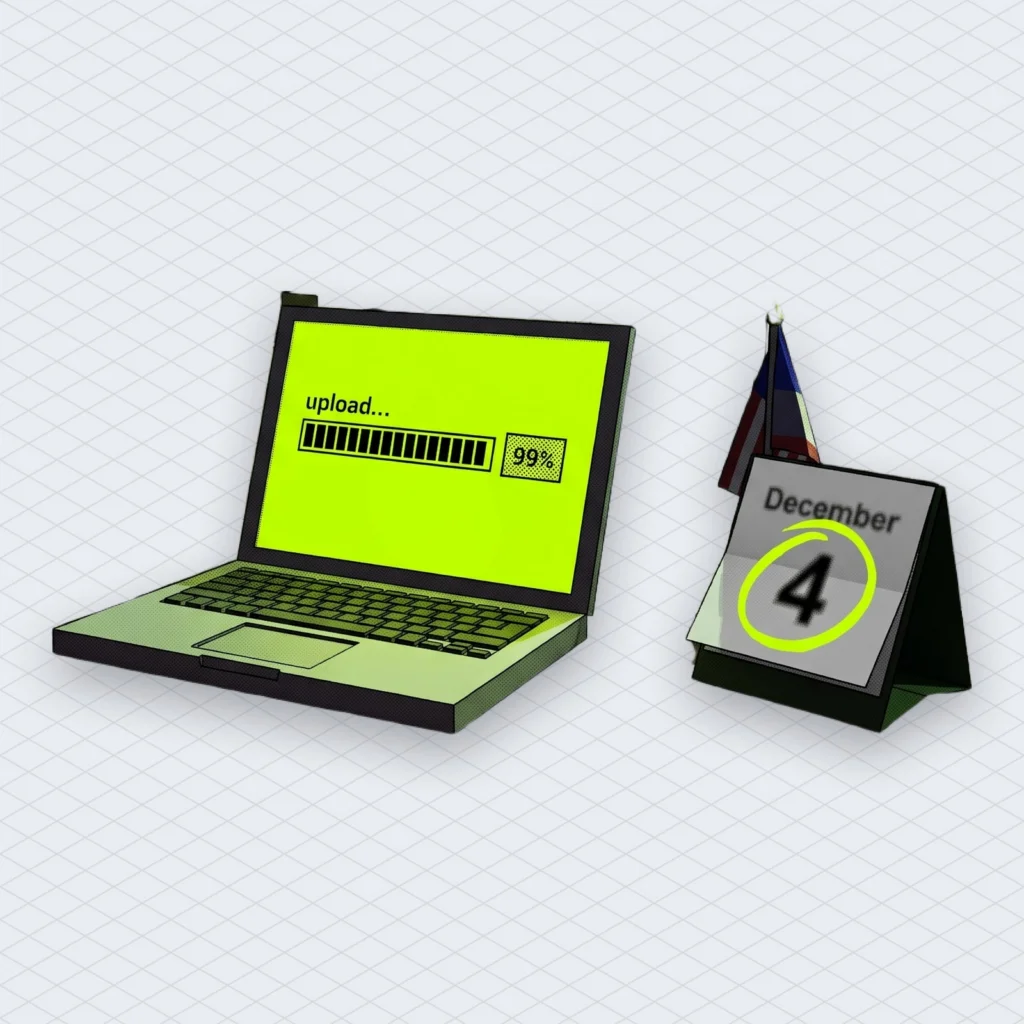
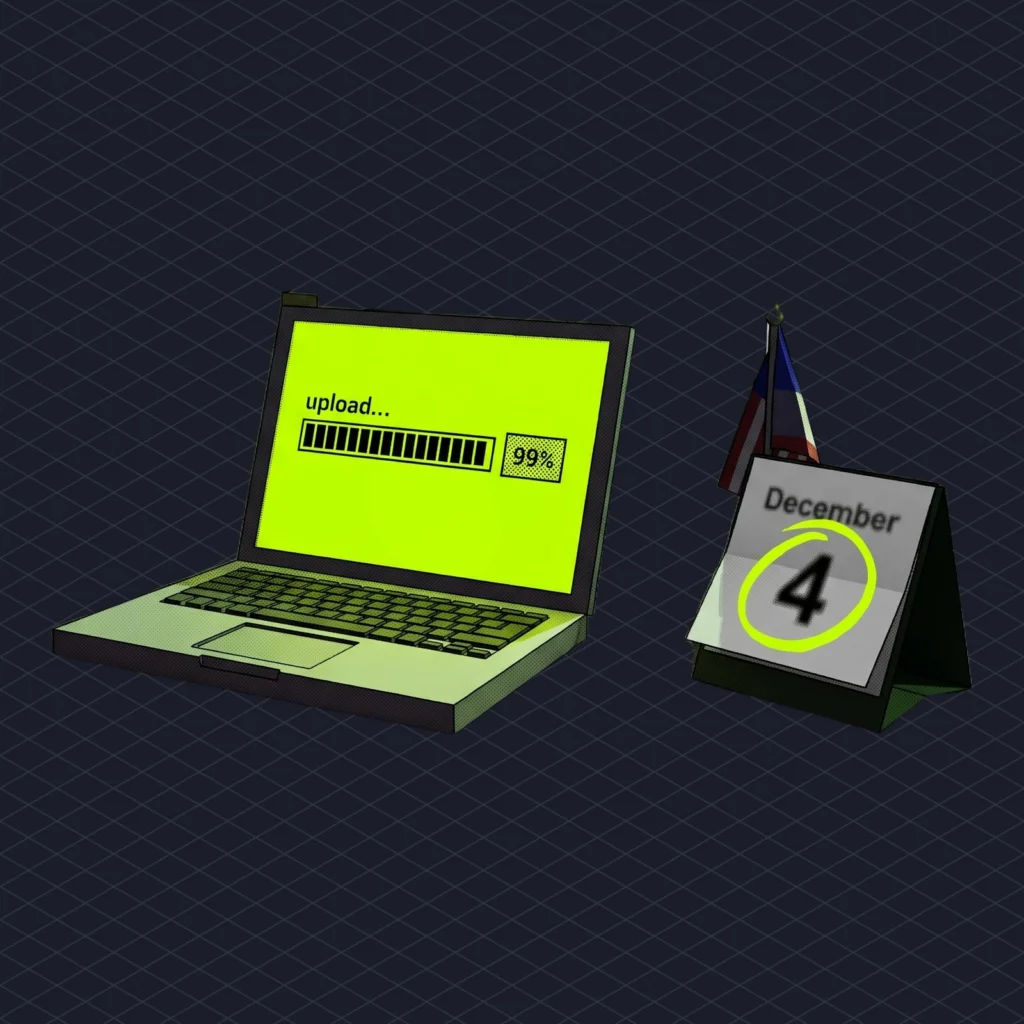
The Create Music Group and DistroKid deal lands in the middle of a lawsuit
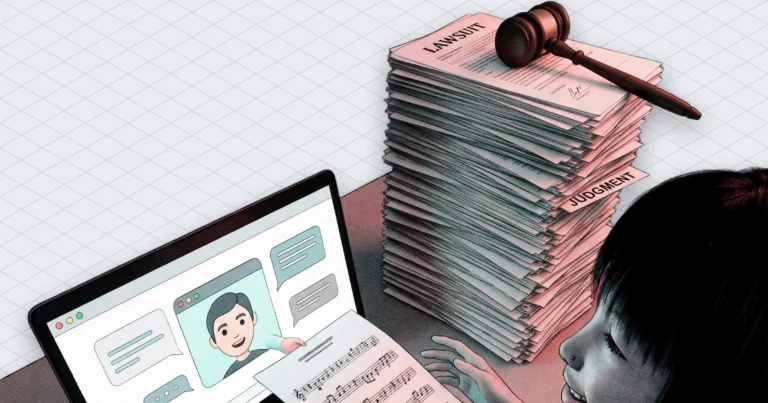
DistroKid’s new investors joined a company that is being sued by the biggest record label in the world. On September 15, UMG, Capitol Records and Capitol Christian Music Group filed a complaint in the US District Court for the District of Delaware. The complaint says DistroKid “is engaged in both deceptive trade practices and blatant copyright infringement” and is “flooding platforms with AI-generated ‘slop’ that siphons revenue and listeners from the legitimate artists and rightsholders.”
DistroKid told Music Week it takes copyright protection and fraud prevention seriously, strongly disagrees with the allegations and will defend itself vigorously. Its formal response is due December 4.
The timing is odd. Create Music Group made its DistroKid investment before the lawsuit, and the CVC deal closed in the same quarter the suit arrived. So two investors bought in, and a few weeks later the largest label in the business called the company a slop pipeline in a federal filing. If you missed the first effects on artists, we covered the songs DistroKid pulled after UMG sued, including one track accused of sampling a song released after it.
UMG is not the only one cracking down. Spotify has stopped recommending tens of millions of tracks it treats as slop. The direction is clear: distributors and platforms are being asked to know what they upload, and the people who own them will want proof that they do.
What independent artists should actually do
Your DistroKid account works the same today as it did before Create Music Group bought in. A change in ownership doesn’t rewrite your releases. But owners can change terms, and the lawsuit means more takedowns and more scrutiny of what goes up.
Keep your own copies of everything: the final masters, the artwork and the metadata for each release, including the ISRC (the code that identifies a recording) and the UPC (the code for a release). If you ever change distributors, those files and codes are what you take with you. Also read the next “we’ve updated our terms” email instead of archiving it. That email is where ownership changes eventually show up.
Then check what is inside your tracks before they go anywhere. If you use samples, loops or background music you didn’t make, find out who owns them first. Mubert’s own data, last 28 days: about one in four tracks run through our copyright checker came back with a rights holder’s claim (25.9%, down slightly from 26.6%). That’s a lot of people learning about a sample after it was already live, when the claim costs the most.
If a track gets flagged, don’t just re-upload it and hope. Hope is not a clearance. Find out which part caused the claim, because the distributor now has a lawsuit on file and less patience than before.
The bakery chain owns a slice of the wheat field now. Your job is the same as before: know what’s in the bread before you sell it.
 Who we are


