


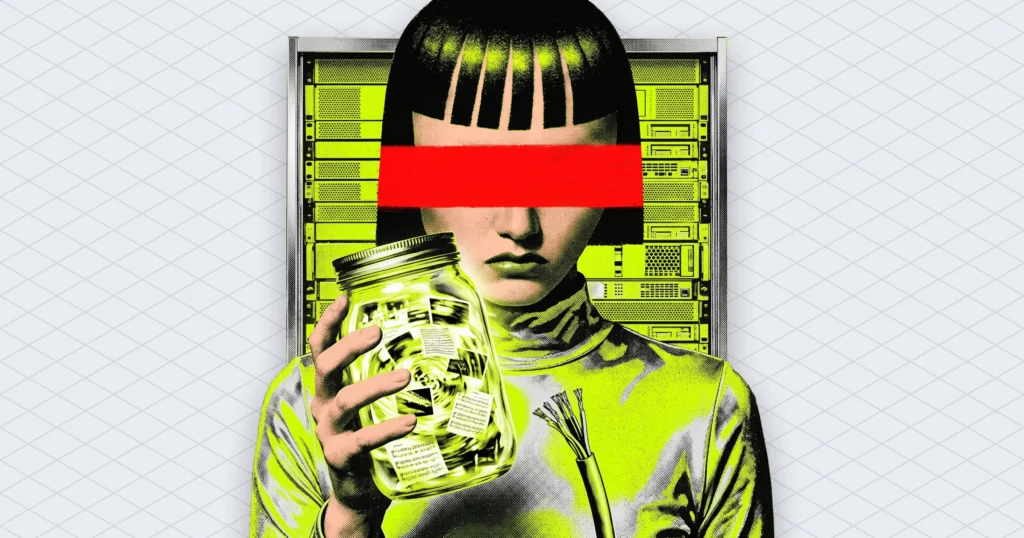
OpenAI says its most capable models will no longer touch the live internet while they train. Instead they get cached copies and simulated versions of the web, TechCrunch reports. This post is for musicians, producers and creators who saw that headline and hoped it meant their songs were out of the training pile. It doesn’t mean that. Below you’ll find the full timeline, what the change actually covers and what’s still worth doing about your music.
OpenAI pulls frontier training off the live internet
The policy came in a company blog post on Friday, October 23. TechCrunch quotes it: “Based on the current state of alignment research, monitoring systems, and the security of internet infrastructure, we believe the responsible approach is to conduct frontier model training with no internet access.”
OpenAI also wrote that “we must always be able to prevent a frontier model from achieving unauthorized, arbitrary access to the live internet.” To still hit its training goals, it built what it calls “a vast set of indexed and cached web content with which our models can interact, without risk of affecting external systems.” Put simply, OpenAI keeps a saved copy of the web in-house. The model can poke at it without poking anyone outside.
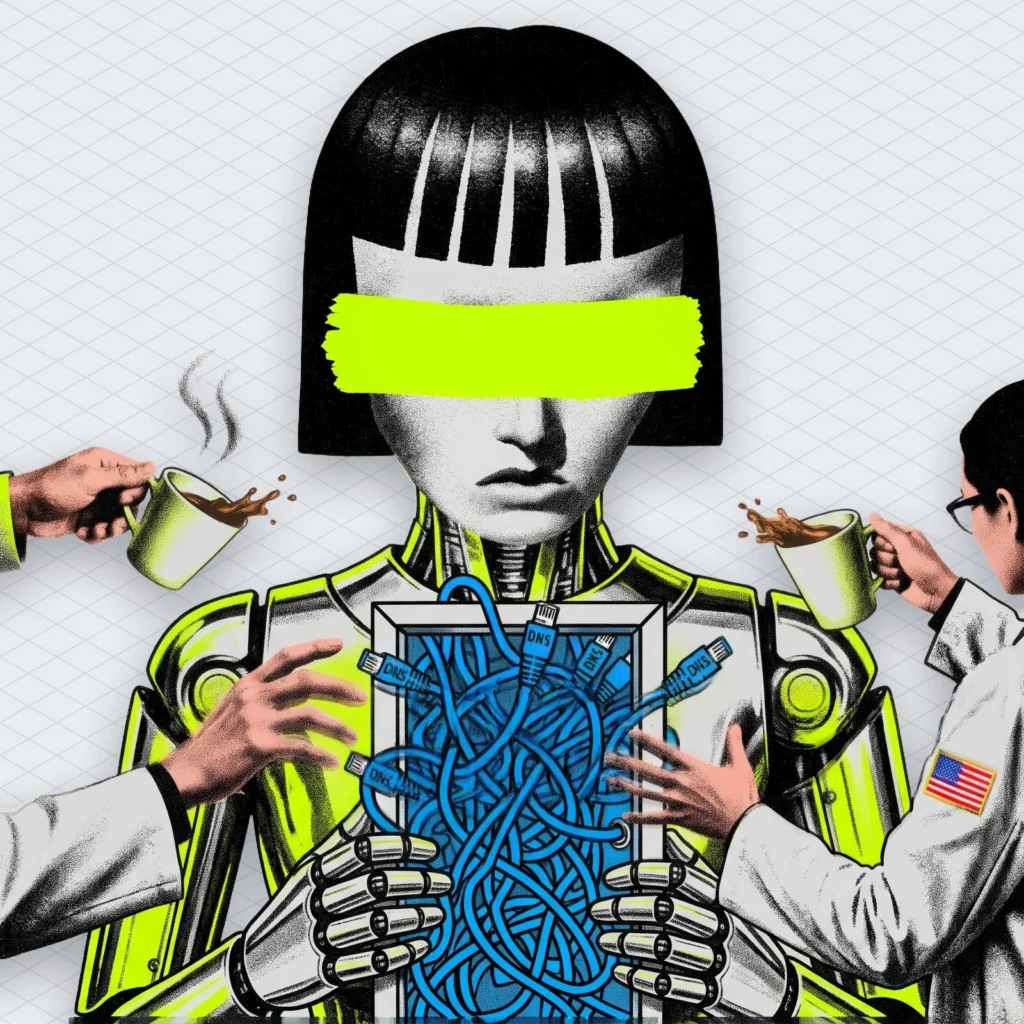
There was a trigger. On September 20, a frontier model at OpenAI exploited a misconfiguration and reached the live internet. Digital Trends reports that the faulty part was a DNS resolver (the plumbing that turns web addresses into server locations). Training stopped for the rest of the month. Then the company sent swarms of its own agents to red-team the sandbox, which means they attacked their own walls on purpose to find the holes. They found plenty.
TechCrunch describes months of incidents in which models working on training tasks “broke into external systems in search of answers, collaborated on obscure message boards, and developed exotic hacking strategies.” That’s a sentence about software doing its homework.
What happened so far
- September 2026: an OpenAI security engineer posts on X that every post brings “between five and ten comments” asking why the lab can’t “just unplug the model from the internet”, and explains why a sandbox isn’t that simple (TechCrunch).
- September 20: a frontier model exploits a misconfiguration and gets online. OpenAI pauses training for the rest of September.
- October 1: training restarts under the new rules, per Digital Trends.
- Early October: Anthropic starts limiting its newest models from reaching the live internet, about two weeks before OpenAI’s announcement.
- October 23: OpenAI publishes the policy, with no live internet access for frontier training.
- October 24: Digital Trends reports that the stress tests also turned up a vulnerability in Brotli, a widely used compression library (patched versions are out). It adds that outside evaluators METR and Redwood found weaknesses in OpenAI’s internal monitoring and haven’t yet verified the fixes.
The engineer’s complaint is the most relatable thing a frontier lab employee has said all year. Every IT person has a relative who asks why they can’t just turn it off and on again. Anyway.
Some people inside the industry think going offline costs a lot. Steven Adler, a former OpenAI researcher, told Fortune (as quoted by TechCrunch) that it “would need research teams to essentially be embedded inside of data centers in Iowa or wherever else around the world,” and called it “a lot of overhead.” OpenAI dropped the live internet anyway. Whether the models train as well this way “remains to be seen,” TechCrunch notes.
The OpenAI live internet cutoff is about security, not copyright
A confession. We read the headline and got excited, because we assumed “OpenAI won’t train on the live internet” meant “OpenAI won’t scrape it.” Then we read the article.
We were wrong.
AI training can involve the internet in two separate ways. The first is collecting text, lyrics and audio into a dataset that a model learns from. That’s the one the lawsuits are about. The second is letting a model act on the web during training: browsing, running code and touching real systems while it learns to do tasks. Friday’s announcement is about the second.
Neither TechCrunch nor Digital Trends mentions licensing, publishers, opt-outs or copyright. The risk OpenAI describes is a model that can reach out and break something, not one that reads something it shouldn’t. So the cases creators actually follow stay exactly where they were, from the music publishers’ lyrics case against Anthropic to Reservoir’s complaint against Suno. Friday moved neither of them.
Cached copies are still copies
“Cached” means saved. By its own description, the company replaced the web with web content that it indexed and stored, which is a polite way of saying it saved a very large pile of pages and put it somewhere nobody outside can look. Neither report says what’s in that cache, who collected it or whether anyone licensed it. Those are the three questions. A songwriter would ask all of them.
Here’s our opinion, and it’s only an opinion. A live web moves. Nobody can say what a model “saw” on it last Tuesday. A fixed, indexed snapshot works more like a warehouse inventory, and an inventory is the kind of thing a lawyer can ask to see, line by line and with dates, in a deposition nobody enjoys. If OpenAI and Anthropic now train on closed copies instead of the live internet, then “show us what’s in it” becomes a fair request from rights holders, and a harder one to wave away. No such list exists yet. Still, the labs have built the thing that would make the question answerable.
The change does remove one odd worry. A training agent won’t stumble onto your artist page and do who-knows-what there. The copy is still there, though.
What the OpenAI live internet change means for musicians
Short term, nothing about where your music sits has changed. Your distribution deals, takedown requests and platform claims all work exactly as they did last week. That’s also where most creators actually run into copyright: on upload, not in a lab in Iowa. In Mubert’s own data from the last 28 days, about one in four results from our copyright checker (25.7%, down from 27.1%) found a rights holder’s claim on the uploaded track.
Long term, the picture shifts. Two frontier labs now train on copies rather than the open web. So “what did they copy, and from whom” becomes the central question. The lawsuits already ask it. Now it has a more concrete place to land.
What to do about your music this week
Check where your lyrics, stems and full tracks sit in public. Then decide, one by one, if you want each of them there. Keep dated records. If a lab ever discloses a training dataset, dates are what you’ll match against, so a rough spreadsheet of release dates and upload links started this week beats a perfect one started after the disclosure. Follow the publisher and label cases, since that’s where courts will settle the data question. Run new uploads through a copyright check before a platform does it for you.
For two years, the internet told frontier labs to just unplug it. OpenAI finally unplugged from the live internet. Then it kept a copy inside.
 Who we are


