
In the summer of 2002 a Dutch events company went to the register and filed the name of a music genre. Not a festival. Not a logo. The word itself. Hardnews reports that Q-dance registered “hardstyle” as a trademark on 4 July 2002, after the first editions of its Qlimax and Qlubtempo parties. Picture a bakery owning the word “sourdough”. That’s the strangest fact in hardstyle history, but it isn’t the last one, because the same genre went on to fill a football stadium, a Dutch beach and an Olympic rowing venue on the other side of the planet before it lost a whole festival weekend to the weather.
We made a video about this genre. Its script listed milestones, so we checked every one. Some held up. Others were off by a year. So what follows is the checked hardstyle history, receipts linked, written for people who like the sound but have never had to explain a reverse bass to their parents.
Hardstyle history starts with leftovers
Every genre claims a flash of genius at birth. Hardstyle came out of spare parts. Around the turn of the millennium Dutch DJs kept playing harder records, so producers blended German, Italian and UK hard house into something meaner. Hard trance also had a trick lying around. An offbeat bass hit. Then somebody put it under a kick drum they had overdriven until it complained, and most accounts of hardstyle history start right there, in the gap between two kicks.
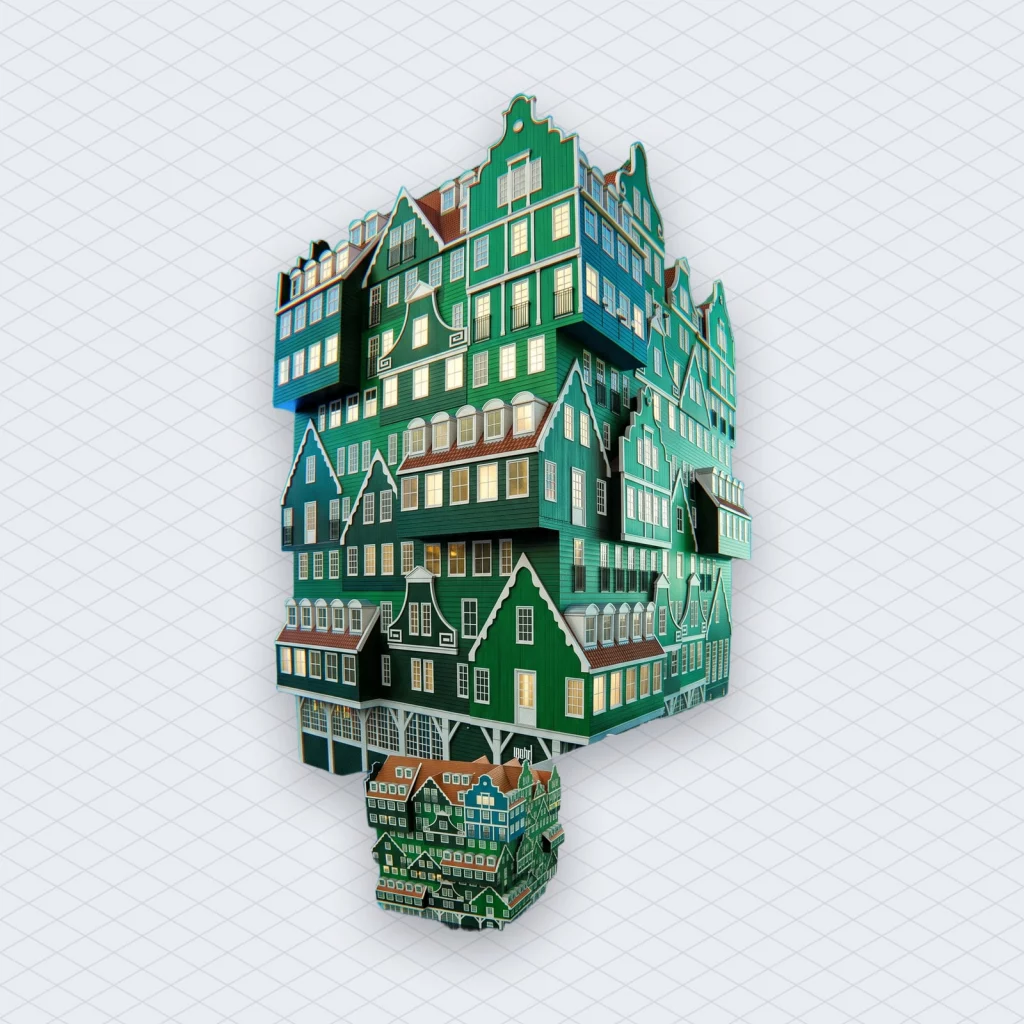
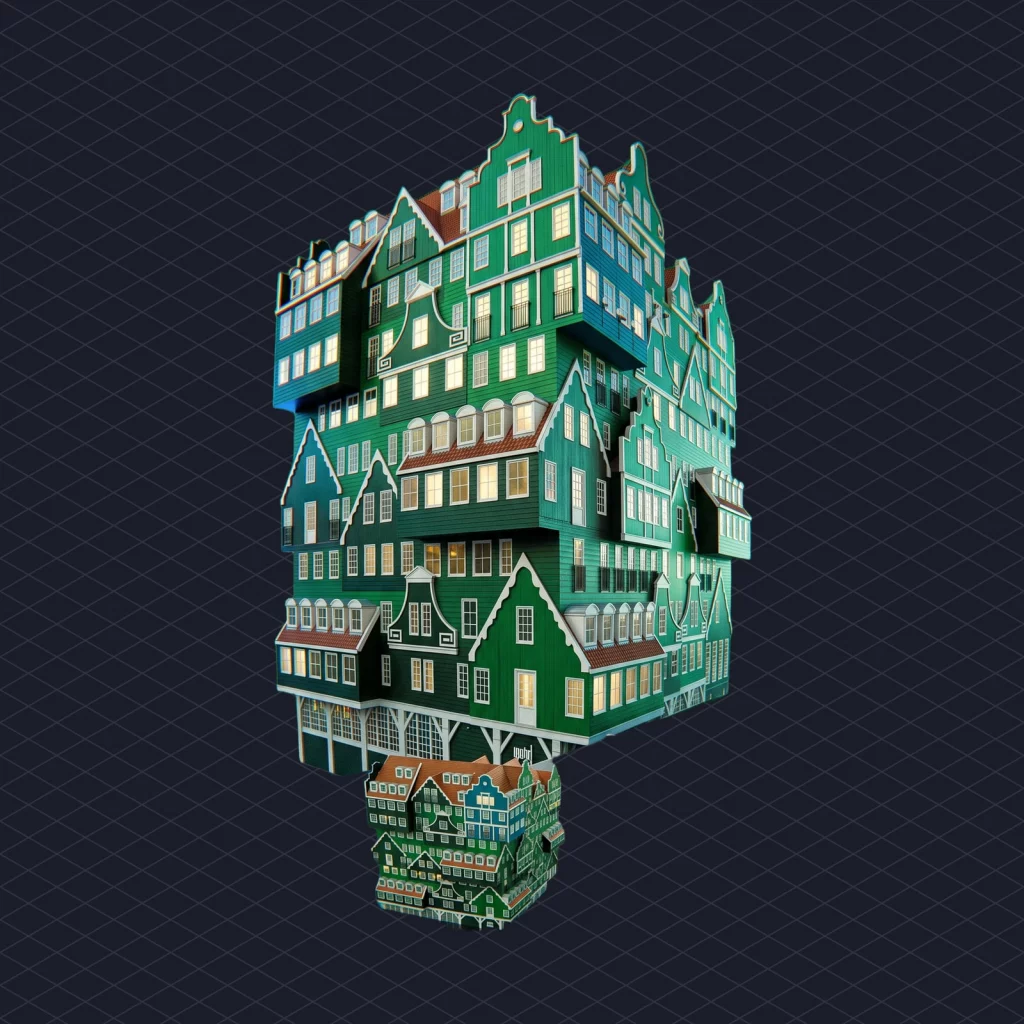
The first party usually credited to the sound is Qlubtempo in Zaandam, the town whose green wooden houses look like stacked Monopoly pieces. But the record wobbles here. Wikipedia dates the first Qlubtempo to 2000. Hardnews disagrees. It puts the first Qlimax in an Amsterdam sports hall on 3 February 2001, and the first Qlubtempo at the Hemkade in Zaandam a few weeks later.
So, 2000 or 2001? Even the first chapter of hardstyle history comes with two dates. Our script said 2000 with total confidence. (Scripts always sound confident. That’s what makes them dangerous.)
A genre with a registration number
Back to the trademark. The paperwork sounds like a footnote, yet fans have since turned it into a party. Hardnews notes that many of them treat 4 July as the genre’s unofficial birthday, even though the sound existed before the filing. Most genres date themselves from a record or a club night. This one celebrates a form. No other chapter of hardstyle history involves this much stationery.
Even the American press found it hard to believe. When Insomniac wrote about hardstyle, it added that Q-dance had “literally” registered the word. Readers kept assuming it was a figure of speech. It wasn’t.
The labels arrived the same year. Scantraxx says The Prophet founded it in 2002, and it grew into one of the scene’s biggest names. Our script called it “one of the two biggest Dutch hardstyle labels”. No source we found counts to two. So it stays “one of the biggest”, and we move on.
A short tangent. Trademarking a genre sounds like a villain move, but back then it read more like ordinary promoter housekeeping: you name a thing, you protect the name, and then you print it on a flyer in a font that looks like it was welded. The surprise is that the word escaped anyway. Words do that once enough people shout them in a field. Anyway.
What 150 BPM feels like from the inside
If you’ve never knowingly heard hardstyle, here’s the short version. Fast, but not hardcore fast. Loud on purpose. And the kick drum does the work of three instruments.
Wikipedia describes early hardstyle as running at roughly 140 to 150 BPM, with a distorted kick, vocal samples, dissonant synth “screeches” and a “reverse bass”. Modern tracks tend to sit around 150. That’s two and a half kicks a second, or roughly the pace of a nervous person tapping a pen during a meeting that should have been an email.
The reverse bass is the part people hear but can’t name. It isn’t the kick played backwards. Instead, a second, distorted bass hit lands in the gap between kicks, so each beat goes “boom-ah, boom-ah”. That gap-filler came from hard trance. It’s why early hardstyle bounces rather than marches.
The screech is the other signature. Producers take a lead synth and bend, detune and distort it until it sounds like a car alarm with opinions. On paper nobody would pick it for a melody. Still, in a hangar at 3 a.m., with twenty thousand people screaming along to a noise that technically has no notes, it works. Nobody knows why.
Actually, the sound is simpler than hardstyle history makes it look. Mostly it comes down to one drum.
How producers build the kick
Producers often start from a TR-909-style kick or from a plain sine wave. Then they abuse it in a fixed order. Hardwave Studios lays out a recipe that matches what we hear in the tracks:
- A pitch envelope. The pitch starts high, somewhere around 150-300 Hz, and falls to a 40-50 Hz fundamental within 20-50 ms. That drop is the punch, the “tok” at the front.
- Heavy distortion. It turns the clean sine into a wall of harmonics and stretches the pitch sweep into that long “woooom”.
- A tuned tail of roughly 200-400 ms, shorter for uptempo and longer for classic hardstyle. Since the tail has a pitch, it must match the key of the track, and E, F and G are common choices.
- EQ, more distortion, more EQ. Repeat until the kick sounds right or the producer goes to bed.
The kick is also the bassline
The last step is the clever one. Because the kick sustains, producers can play the whole bassline with the kick itself, shaping it through distortion, EQ and layering. Wikipedia calls this “pitching” the kick. So when the chord changes, the drum changes note with it.
Confession: we once tried to make a hardstyle kick from a stock 909 sample and one distortion plugin. It sounded like someone threw a wet cardboard box down a stairwell. Loud, yes. No tail, no note, and no way to fix it without starting over.
The tail is the whole genre. Everything else is decoration, and a fair share of hardstyle history since 2000 is people arguing about how long that tail should be.
A short hardstyle history of domes, beaches and a rowing lake
Once the sound had a name (and a registration number), it needed rooms big enough for it. Q-dance built them one at a time.
Qlimax went indoors and stayed there. According to its Wikipedia page, it settled at the GelreDome in Arnhem in 2003, after several other venues. The GelreDome is a football stadium. It has a sliding roof. For two decades it hosted one very loud November night a year, and then went back to football as if nothing had happened.
The outdoor sibling arrived the same year. Q-dance held the first Defqon.1 in 2003, in mid-June, on Almeerderstrand in Almere. That’s a beach. The sentence sounds made up until you remember the Dutch build land out of the sea for fun. A dome and a beach in one year makes 2003 the busiest year in early hardstyle history.
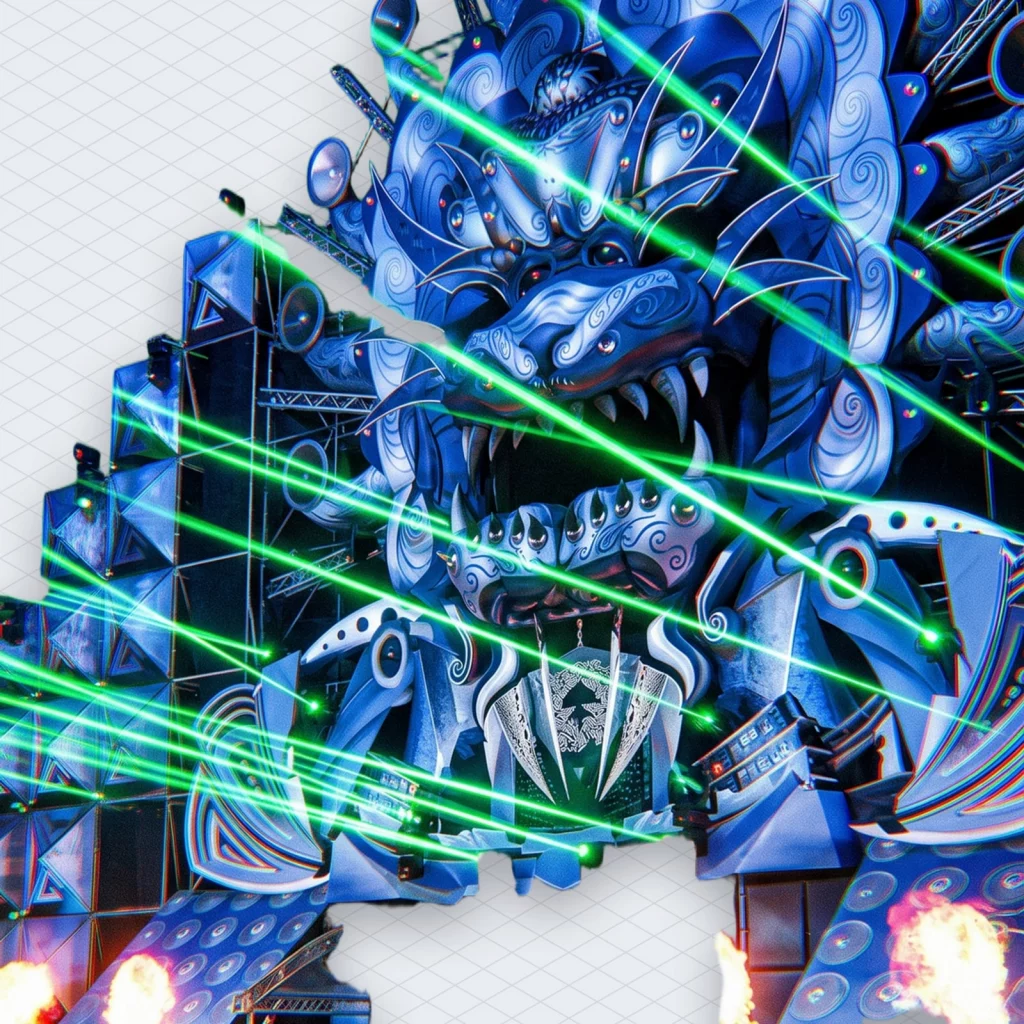
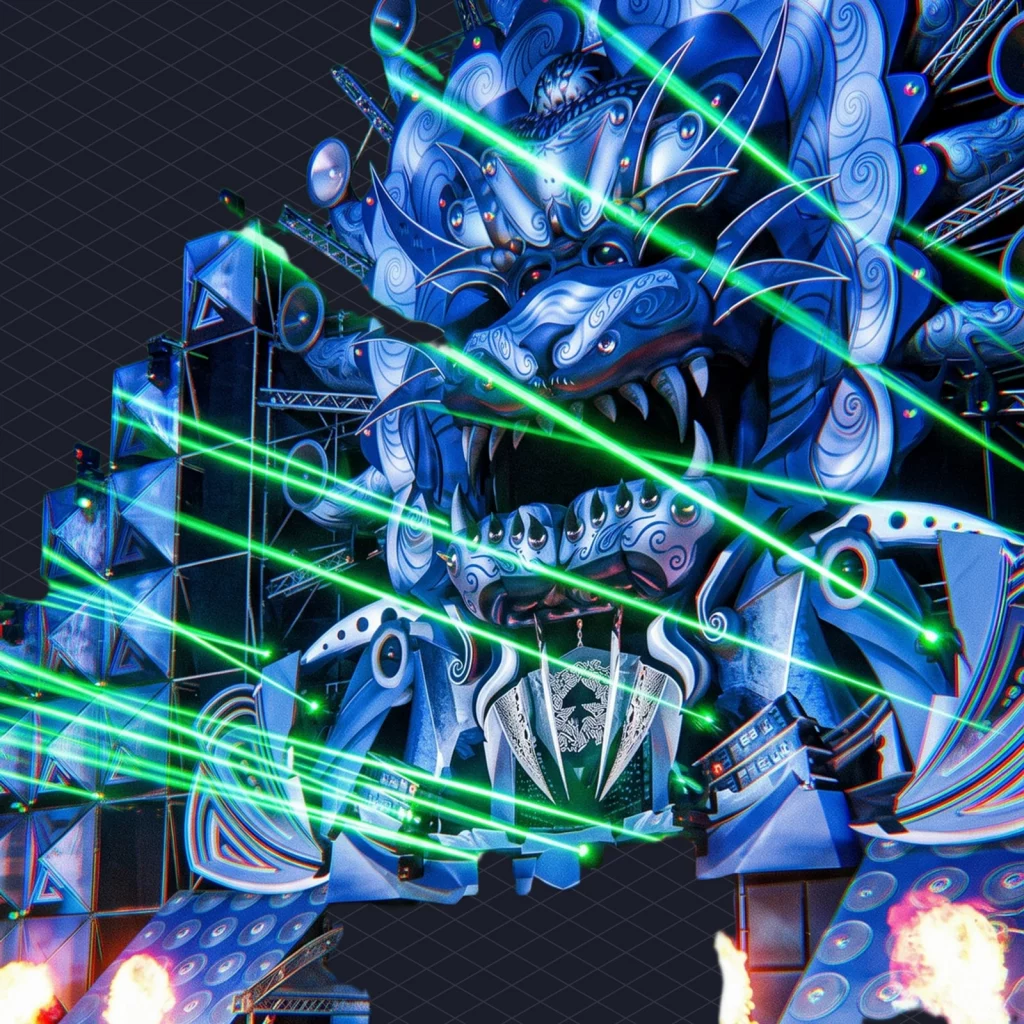
Then it went abroad. triple j reported that the Australian edition ran at the Sydney International Regatta Centre in Penrith from 2009. Sydney built that rowing course for the 2000 Olympics. Distorted kicks suited it fine. The run ended in 2019, when the venue withdrew its support.
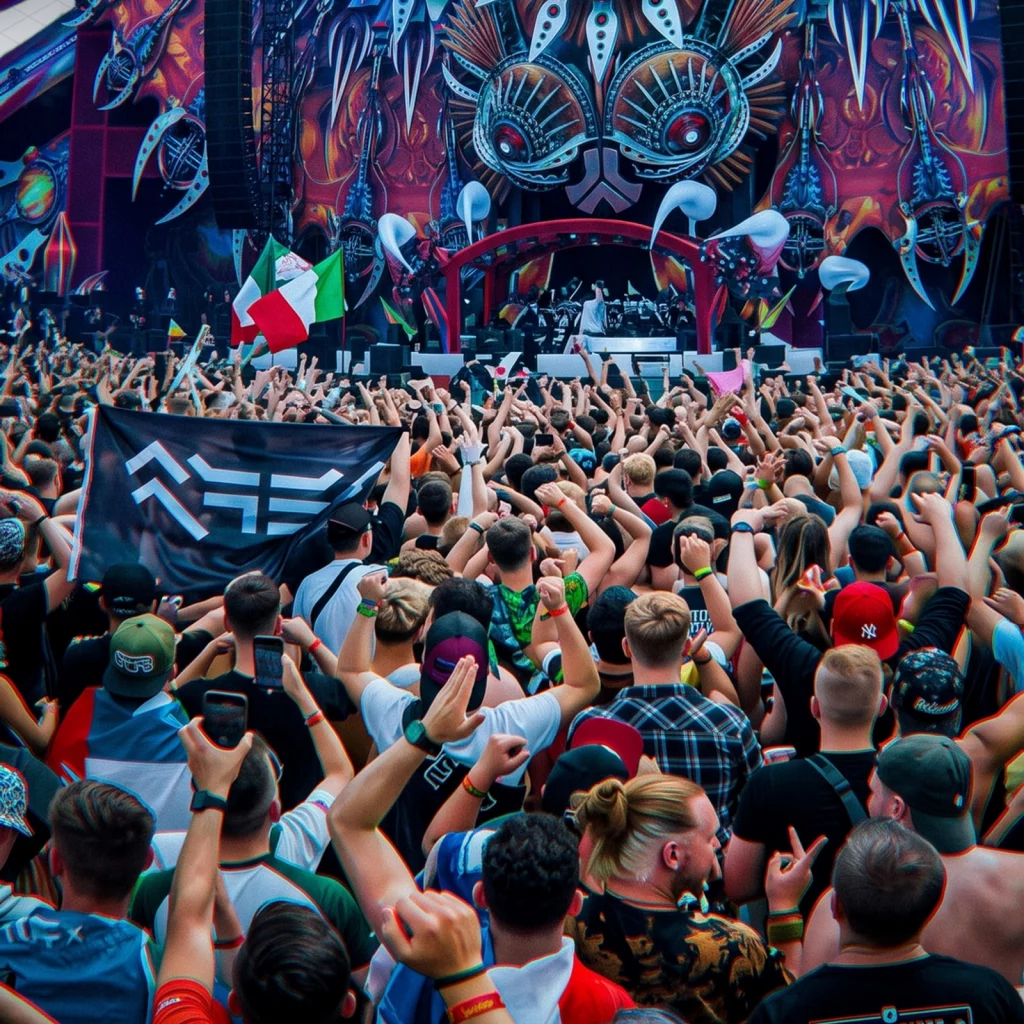
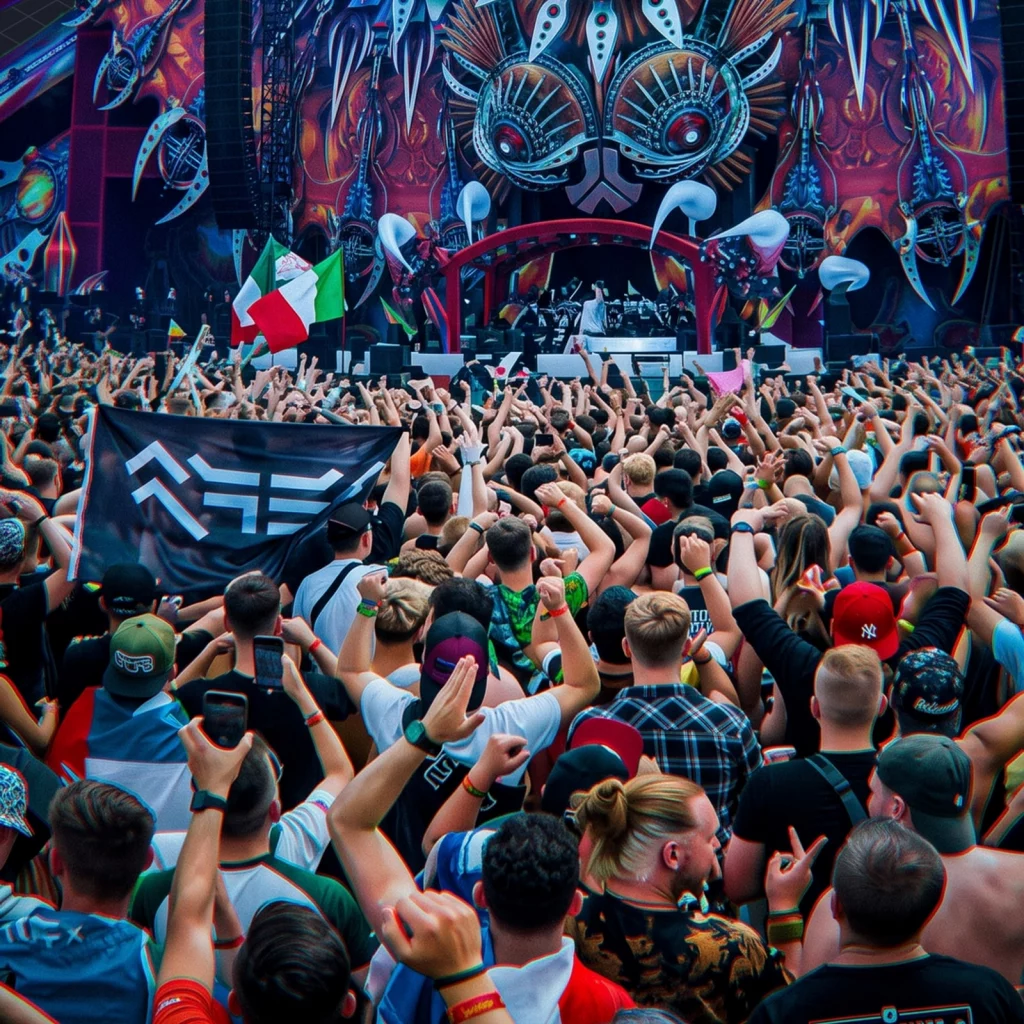
Back home, the beach got too small. Since 2011 Defqon.1 has used a site next to Walibi Holland in Biddinghuizen. Wikipedia counts it as the largest harddance festival in the world, with more than 250,000 visitors from over 100 countries. That’s a city. Every one of its residents knows exactly when the reverse bass is coming back in.
The year jumpstyle got to number one
A side branch needs a mention, partly because our script got it wrong and partly because it’s very funny. Jumpstyle is hardstyle’s bouncier cousin. Its dance looks like someone kicking an invisible football in fast-forward. Around 2007 it was everywhere in Europe.
Our script said Scooter took it to number one on the UK Albums Chart in 2007. Close. But the Official Charts Company lists Jumping All Over the World at number one with a first chart date of 17 May 2008. So a German group’s jumpstyle record topped the British album chart in 2008. It’s on the official site, which makes it as real as tax.
Jumpstyle didn’t last as a craze. Still, it proved a point the rest of hardstyle history keeps confirming: a 150 BPM kick can sell to people who have never seen a hangar rave.
The hardstyle history splits in two
Around 2010 the genre did what successful genres do. It got melodic. Then some people got annoyed. Then there were two genres.
Melody came first. Wikipedia dates euphoric hardstyle to roughly 2010 onwards, with emotional melodies and heavily pitch-shifted kicks. This is where pitching the kick paid off, because the drop now carried a tune and worked on stages that had never booked a hardstyle act. Through the 2010s, hardstyle acts played the biggest EDM stages in the world. In America, Insomniac traces the first proper introduction to the Q-dance stage at EDC 2012.
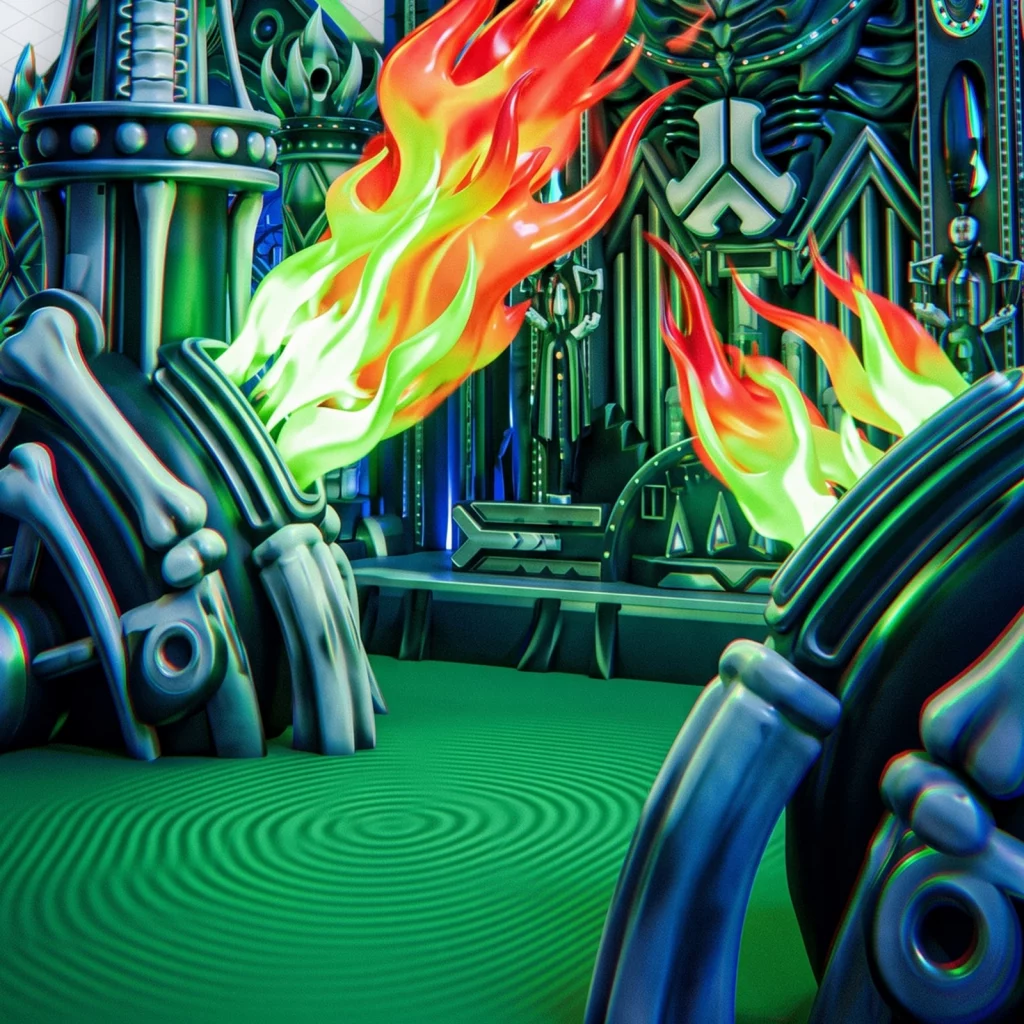
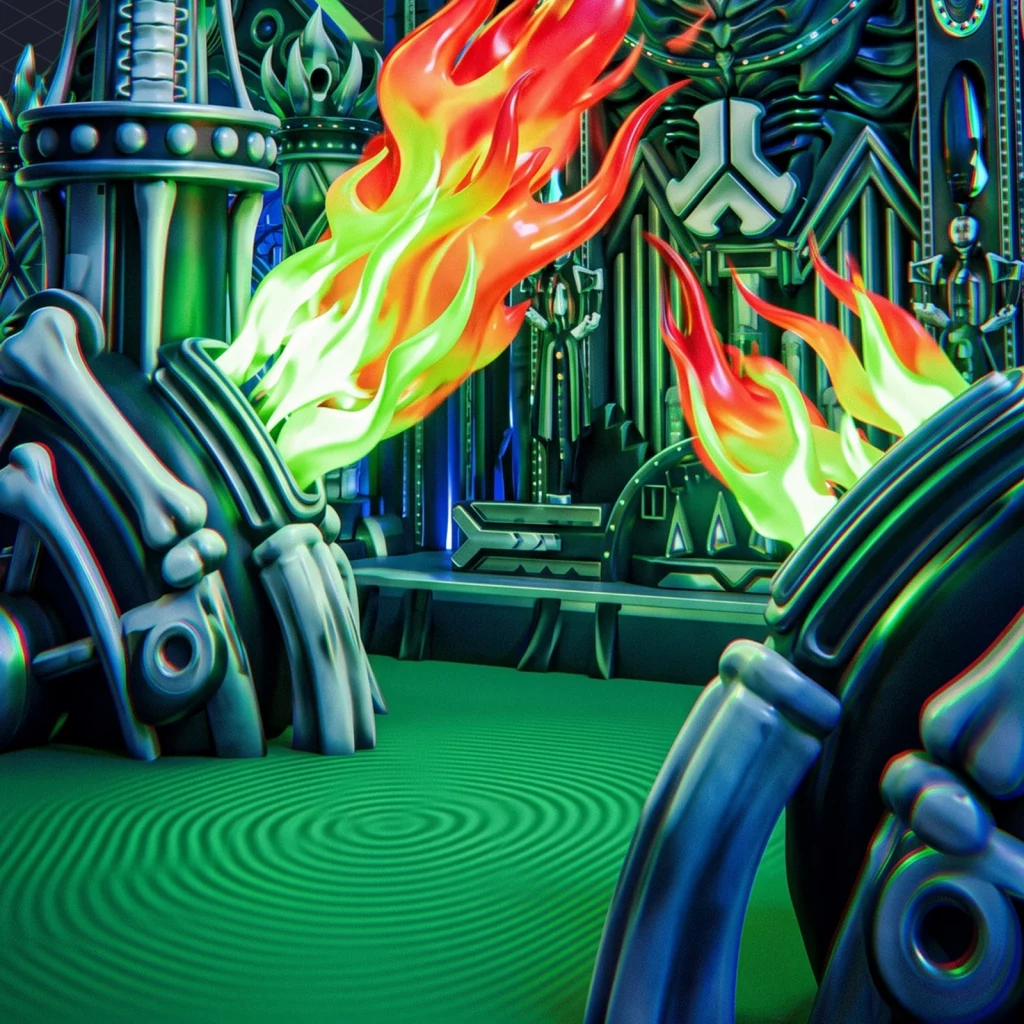
Rawstyle was the pushback. It runs darker, with little or no melody and plenty of screeches, and it borrows from mainstream hardcore, gabber and early hardstyle. It grew out of the euphoric boom, since many artists and fans wanted darker tracks. That loop has run through hardstyle history ever since. One branch gets prettier. The other gets louder in protest.
Hearing hardstyle history in a single track
You don’t need a decade of festival wristbands to tell the branches apart. One track and about a minute will do, because a hardstyle track wears its whole history on its kick drum.
Start with the gap between kicks. If something fills it with a bouncy “ah”, you’re hearing the hard trance inheritance, and the track probably leans classic. Next, the tail. A long, tuned tail that follows the chords is euphoric territory, like a bass guitar wearing armour. Short, gritty and barely tuned? Raw.
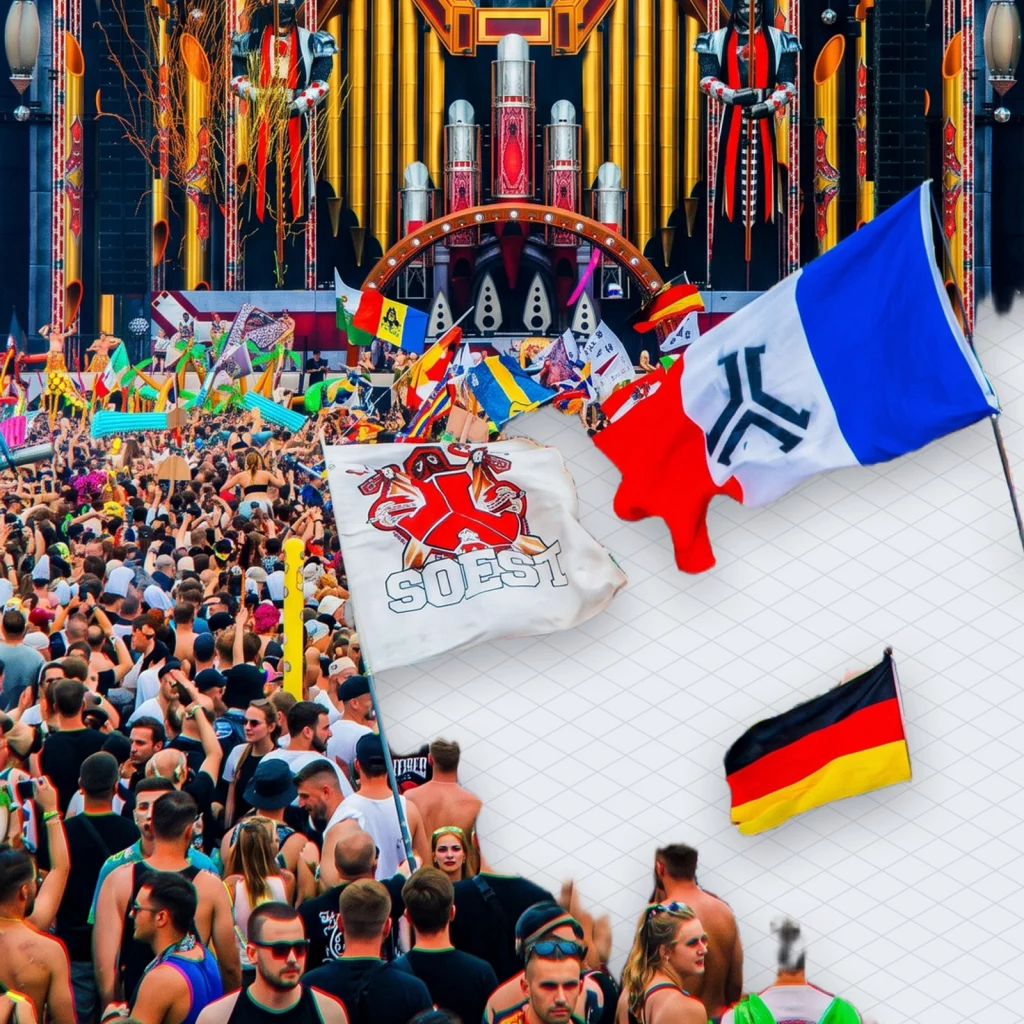
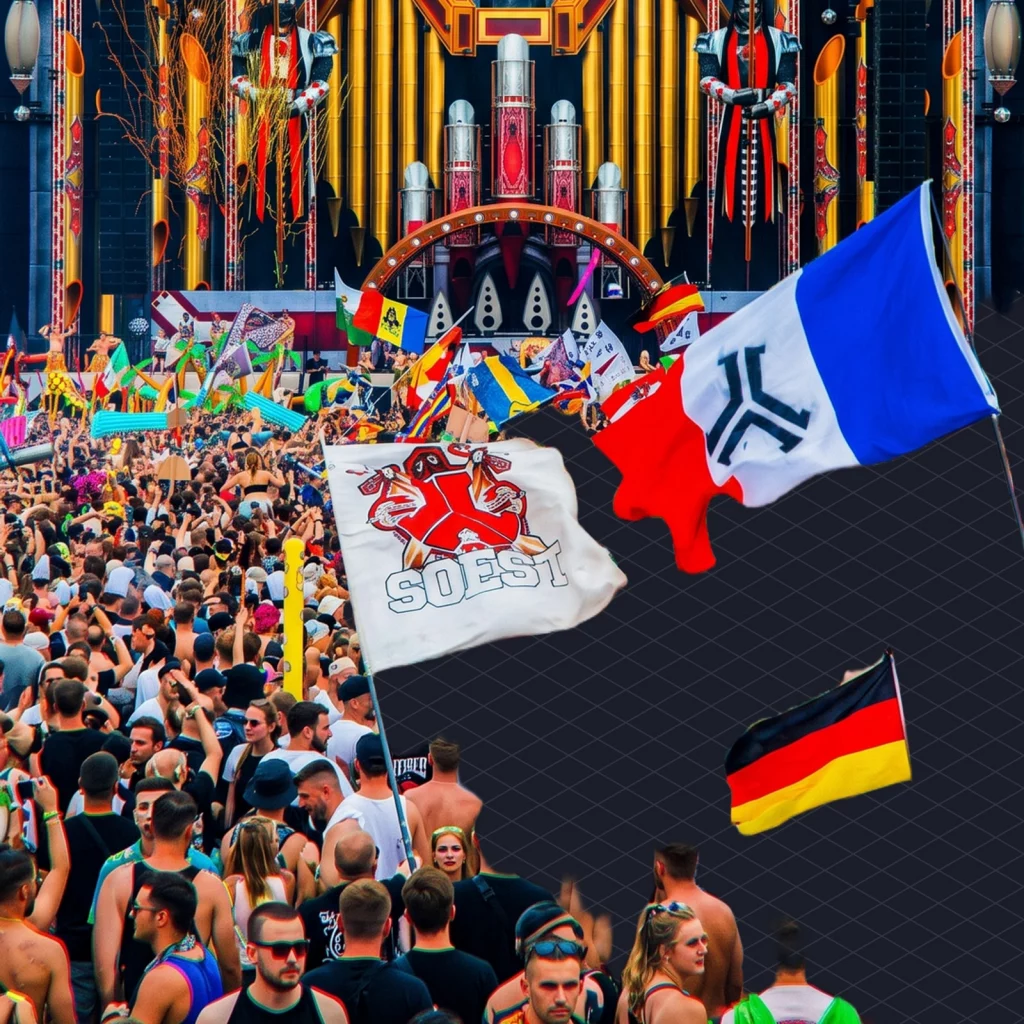
Then wait for the drop. If a supersaw melody arrives and the crowd in the video starts hugging strangers, that’s euphoric. If a screech arrives instead, and the crowd starts pulling faces like they bit a lemon on purpose, that’s rawstyle. Both run at about the same tempo. They play the same festivals, too, often on neighbouring stages.
The fans argue about it constantly. That’s how you know a genre is healthy. A dead genre has no arguments left, only reissues, and nobody in this corner of hardstyle history has run out of opinions yet.
Qlimax ended on purpose
Most long-running events end in bankruptcy, a venue dispute or a slow fade. Qlimax got a send-off. Q-dance’s own page confirmed that The Final Prophecy, on Saturday 16 November 2024, would be the last edition “after 24 years”.
Same month, same theatrical lore. Because Q-dance planned it, the ending went the way the organisers chose. For a company that wrote so much of hardstyle history, that’s a tidy last page.
Remember it. The next ending had no plan at all.
The end of this hardstyle history is a weather report
In June 2026 the Defqon.1 crew built the site in Biddinghuizen as usual. The red main stage stood ready. The campsite filled up. Then the forecast kept climbing.
Q-dance tried the careful route first. EDM Addicts reported that the organisers cancelled Friday and Saturday day tickets to cut capacity, while forecasts pointed to 36 to 39 degrees and possibly 40 in some places. It wasn’t enough.
We Rave You reported that the festival closed its gates from Friday 26 June, after the KNMI, the Dutch national weather institute, issued a code red for extreme heat. It was the first code red the Netherlands had ever issued for high temperatures.
Heat.
A crowd that size, dancing at 150 BPM under that sun, isn’t a party. It’s a medical incident with a light show. Calling it off was the only sensible decision, and we haven’t seen anyone in the scene argue otherwise. The company that trademarked the genre had spent 24 years choreographing every second of every show. Still, the sky was the one thing it couldn’t book or register. That’s the oddest entry in hardstyle history since the trademark itself.
Getting a hardstyle sound without a trademark lawyer
Say you want that energy under a gaming stream, a gym edit or a video intro. You don’t need a festival anthem. You need 30 seconds that feel like one. Licensing a real hardstyle track is its own headache, and anyone who’s been muted mid-stream knows how that ends.
The quicker route is to describe the sound in production terms rather than a genre name alone. In Mubert Render you type a prompt and get an original track at the exact length you set, built from samples that real artists uploaded and get paid for. You don’t need to know any hardstyle history to do this. Although now you do.
Give it the tempo (“150 BPM”), the kick (“distorted kick, long tail” or “short raw kick”), the mood (“euphoric, big supersaw chords” or “dark, aggressive, screech lead”) and the job (“stream intro”, “workout montage”). Leave the melody out if you want rawstyle. Put it in for euphoric. If the first result feels too polite, add “harder” and “screech”, because that’s also what the genre did in 2010. Our guide to music prompts for streams and videos has more patterns like these, and our look at the most popular music genres worldwide shows where this one sits among the bigger names.
One last check before you hit render: the forecast. A genre built on distorted kicks outlasted jumpstyle, the EDM boom and its own trademark. It lost exactly once. To the weather.
 Who we are